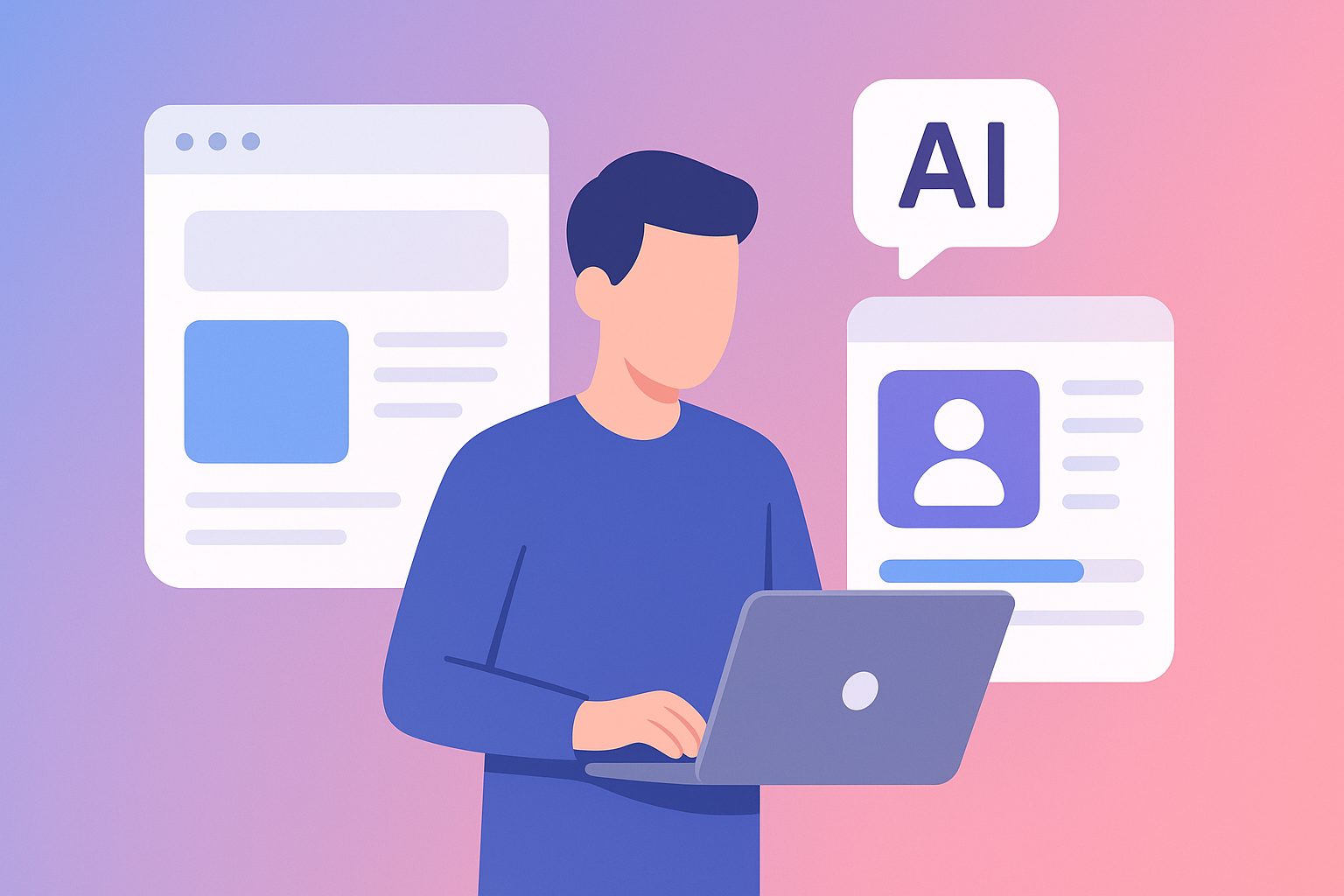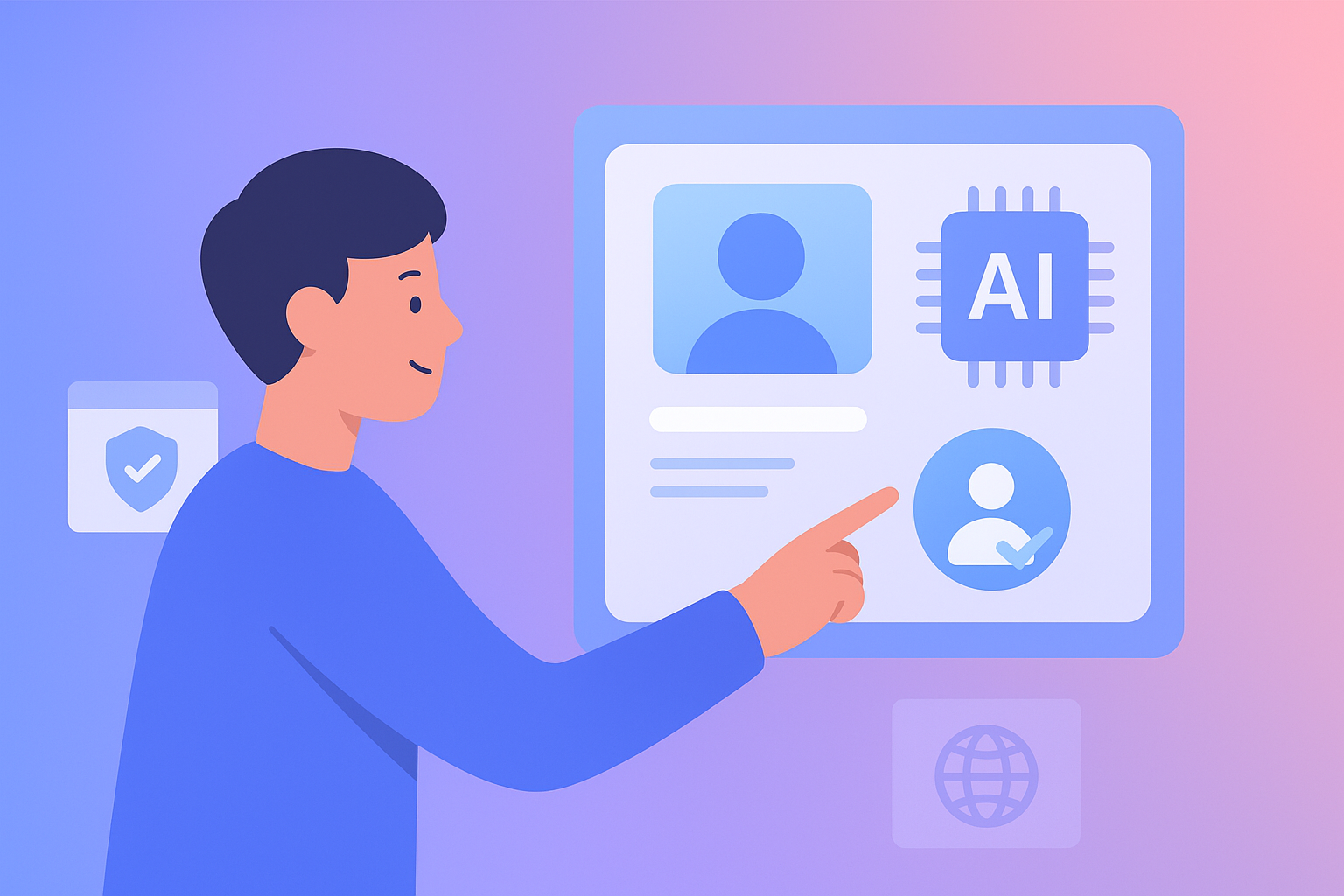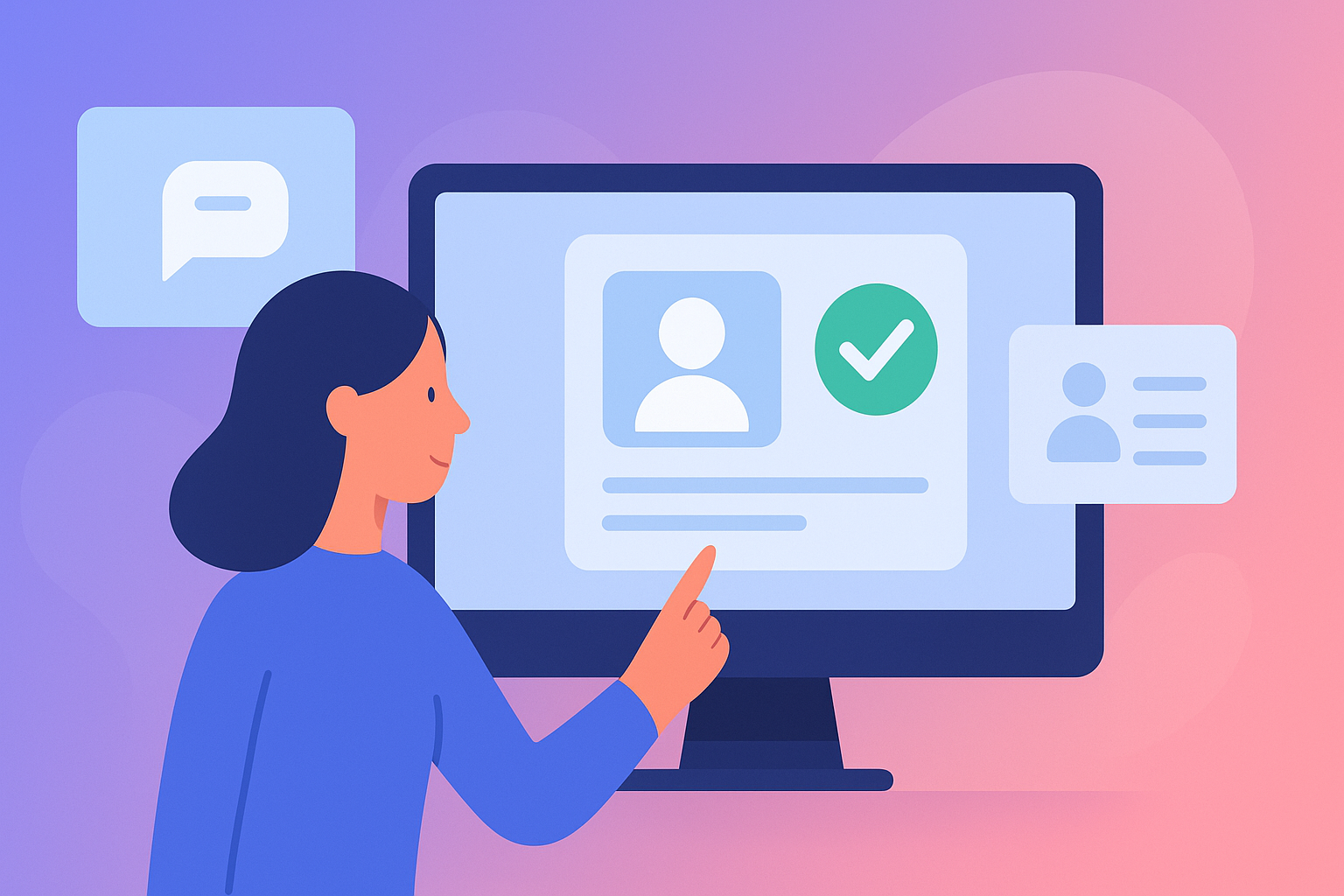

Synthetic media is no longer a niche concept—it is actively shaping how people present themselves online, and how others perceive them. As AI-generated images, videos, and voices become more convincing, the line between real and artificial content is increasingly difficult to detect.
The result is a growing challenge: how do you prove that you are genuinely human in a digital environment filled with uncertainty, impersonation, and manipulation?
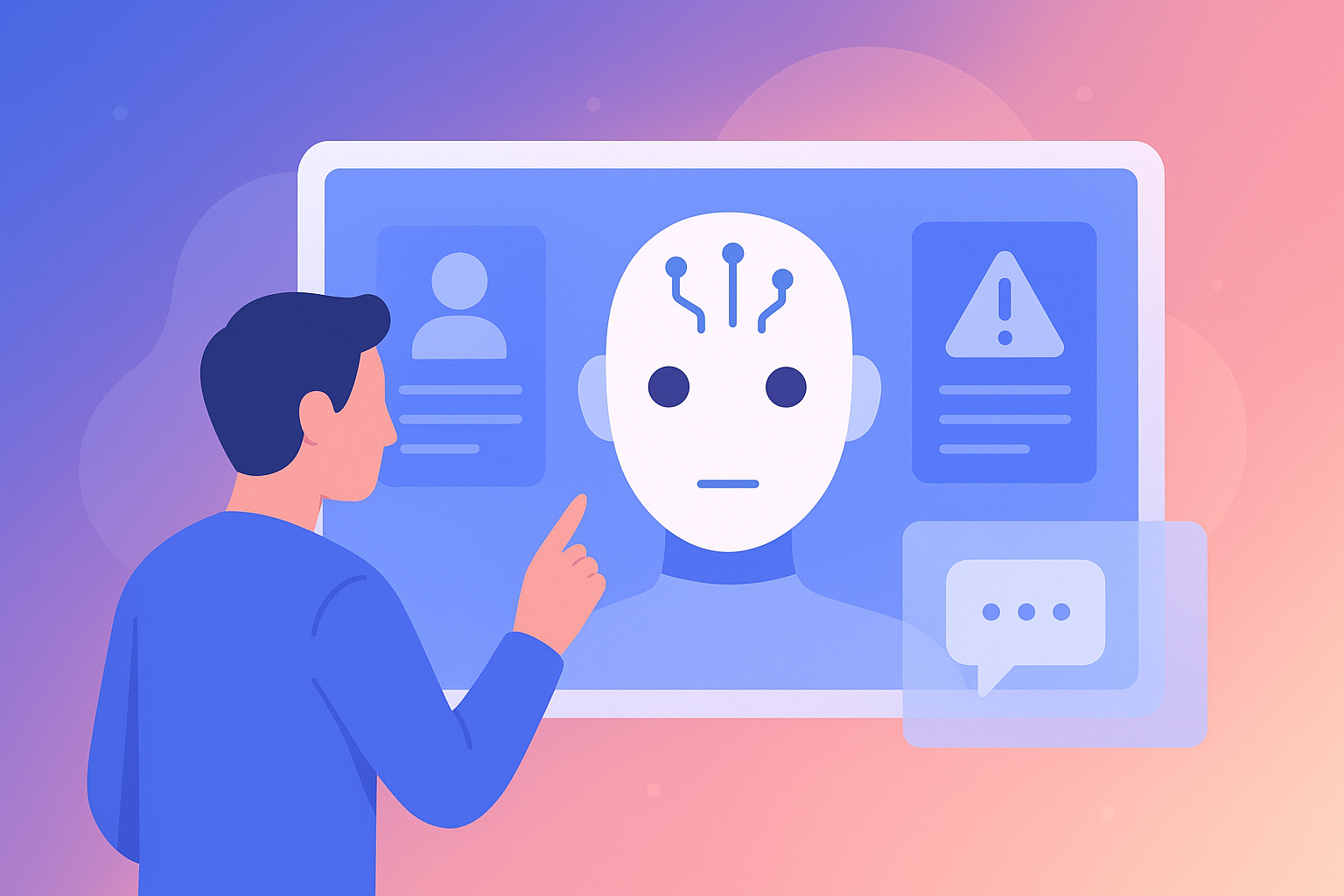
What is Synthetic Media?
Synthetic media refers to content created or altered using artificial intelligence, including deepfake videos, AI-generated images, and cloned voices. These tools can produce highly realistic outputs that mimic real people, often indistinguishable from authentic content.
While synthetic media has legitimate uses in entertainment, education, and communication, its misuse presents serious risks. False representations can spread misinformation, damage reputations, or impersonate individuals without consent.
This growing accessibility means that almost anyone can now create convincing fake content. As a result, digital trust is becoming harder to establish, especially in environments where identity matters.
How Synthetic Media Impacts Digital Identity
Digital identity has traditionally relied on usernames, profile images, and social presence. However, synthetic media undermines these signals by making it easy to fabricate realistic personas.
Impersonation is one of the most immediate threats. Someone can replicate a person’s likeness or voice and use it to deceive others, whether for financial fraud, reputational harm, or misinformation campaigns.
Even when no malicious intent exists, synthetic media creates uncertainty. Audiences begin to question what is real, which erodes trust across platforms, industries, and communities.
To better understand how to protect yourself in this environment, it is worth exploring essential strategies to protect your identity online, especially as AI-driven risks continue to grow.
The Role of Identity Verification in a Synthetic World
As synthetic media becomes more convincing, identity verification is emerging as a critical layer of trust. It provides a way to confirm that a real human was present during a specific moment in time.
This is where biometric liveness verification becomes particularly relevant. Instead of relying on static images or easily copied data, it requires a live interaction, making it significantly harder to fake or replicate.
Platforms like PRVEN focus on this concept by generating a public proof record of a verification event. This does not claim to guarantee identity or behaviour, but it provides clear evidence that a real person was present during verification.
This distinction matters. In a world filled with AI-generated content, even confirming human presence becomes a meaningful signal of authenticity.
Why Proving You Are Human Matters More Than Ever
Online interactions increasingly shape professional reputations, business opportunities, and public perception. When synthetic media is involved, the ability to prove you are human becomes a competitive advantage.
Whether you are a creator, consultant, or public figure, your audience needs reassurance that you are genuine. Without it, trust erodes quickly.
- Audiences may question authenticity
- Brands may hesitate to collaborate
- False content can spread without easy rebuttal
A verifiable record helps cut through this uncertainty. It provides a consistent, shareable reference point that others can rely on when assessing your credibility.
Understanding PRVEN’s Approach to Identity Verification
PRVEN is designed to address trust without compromising privacy. Instead of storing biometric data or building a centralised identity database, it focuses on recording that a verification event occurred.
The process is straightforward:
- A user uploads a reference image
- Completes biometric liveness verification
- Receives a verification result
- A public proof record is created
No biometric templates are stored, and full images are deleted after verification. Only a hash and minimal data are retained to support the verification record.
This approach allows individuals to demonstrate authenticity without exposing sensitive personal data, which is increasingly important in privacy-conscious environments.
Reducing Risk Without Overpromising
It is important to be clear about what identity verification can and cannot do. PRVEN does not guarantee identity, behaviour, or intent. It does not monitor the internet or detect deepfakes.
What it does provide is simpler and more precise: a timestamped, publicly accessible proof that a biometric verification event took place.
This clarity is valuable. In a landscape often filled with exaggerated claims, transparent limitations help build genuine trust rather than false confidence.
Understanding these boundaries is key to using verification tools effectively alongside other protective measures, such as those outlined in identity protection strategies for the digital age.
The Future of Trust in the Age of Synthetic Media
As AI capabilities continue to advance, the default assumption online may shift from trust to scepticism. In this environment, individuals will need reliable ways to establish credibility quickly and clearly.
Verification records could become a standard part of online presence, much like social profiles or portfolios are today. Rather than replacing existing systems, they will complement them by adding a layer of verifiable proof.
This is particularly relevant for:
- Content creators building audiences
- Professionals offering services online
- Public figures managing reputation
For all of these groups, proving authenticity is no longer optional—it is becoming essential.
Conclusion: Building Trust in an Uncertain Digital World
Synthetic media is reshaping how we interpret digital content. While it offers creative potential, it also introduces serious challenges around trust, authenticity, and identity.
Identity verification provides a practical response to this problem, helping individuals demonstrate that a real human was present during a specific moment. It does not solve every issue, but it reduces ambiguity in a meaningful way.
As online interactions continue to evolve, the ability to provide clear, privacy-conscious proof will play an increasingly important role in maintaining credibility and trust.
Verify Your Identity with PRVEN
As fraud, impersonation, and AI-generated misuse become more common online, proving that you are real is becoming increasingly important. PRVEN helps you create a trusted verification record that others can rely on.