
Identity theft no longer requires stolen wallets or physical access; it now happens quietly through data leaks, impersonation, and AI-generated content. As digital interactions increase, knowing whether someone is real has become a serious challenge. Identity verification is now a central part of protecting both individuals and online trust.
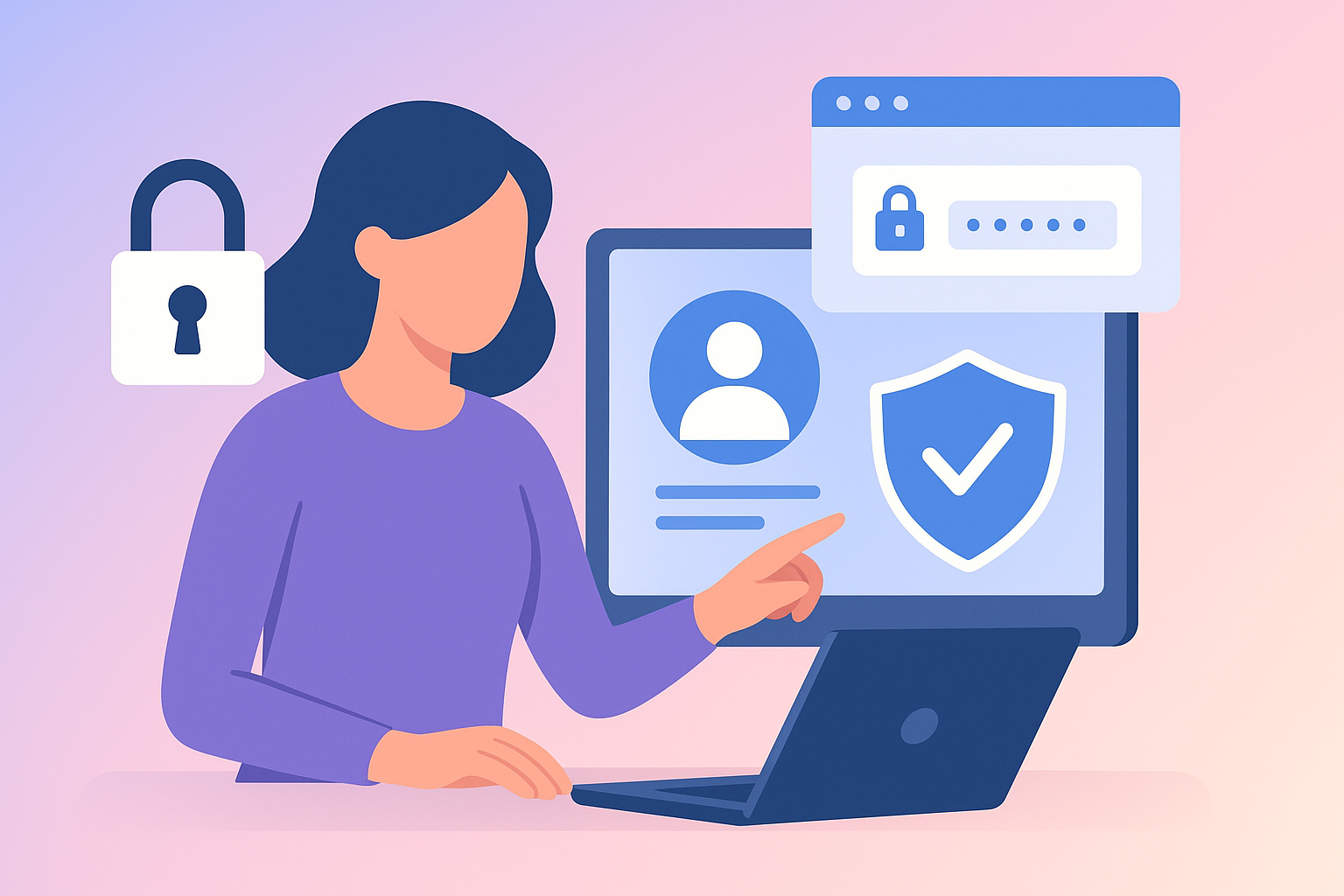
The Growing Threat of Identity Theft in a Digital World
Identity theft has shifted from isolated fraud to a widespread digital risk. Personal data is constantly shared across platforms, making it easier for malicious actors to impersonate individuals at scale. Stolen credentials, synthetic identities, and deepfake content are now part of a broader ecosystem of deception that is difficult to detect.
The consequences extend beyond financial loss. Reputations can be damaged, online accounts hijacked, and trust eroded in professional and public spaces. As more aspects of life move online, from work to social presence, proving authenticity becomes critical.
Why Traditional Security Measures Are No Longer Enough
Passwords and two-factor authentication still play a role in security, but they cannot solve the problem of identity itself. These methods protect access to accounts, yet they do not confirm whether the person behind the screen is genuine. Authentication is not the same as verification.
This gap becomes especially clear in environments where trust matters, such as social media, consulting, and online marketplaces. Without a reliable way to confirm authenticity, users are left relying on incomplete signals like profile pictures or follower counts. This creates uncertainty and increases vulnerability to impersonation.
For a deeper look at how identity challenges are evolving, see the future of identity verification in digital interactions.
How Identity Verification Reduces Impersonation Risk
Identity verification introduces a stronger layer of assurance by confirming that a real human is present at a specific moment in time. Instead of relying solely on credentials, systems can use biometric liveness verification to establish that an interaction is genuine.
This approach creates a clear distinction between real individuals and fabricated or automated identities. When a verification event is recorded and shared, it provides a traceable and timestamped proof that adds credibility to an online presence.
PRVEN is built around this principle. It allows individuals to create a public proof record showing that a biometric verification event occurred, without storing biometric data long term. This means users can demonstrate authenticity while maintaining privacy. Learn more or complete a verification at PRVEN.
Key Benefits of Verification-Based Identity
- Reduced impersonation risk through verified human presence
- Improved trust in digital interactions and communications
- Privacy-focused proof without long-term biometric storage
- Simple public verification links that can be shared anywhere
These benefits help individuals move beyond uncertain signals and establish a clearer, more reliable identity online.
The Role of Public Proof in Digital Trust
Trust online often depends on visibility and consistency. A public verification record provides a transparent way for others to confirm that a verification event took place. It does not claim to guarantee identity or behaviour, but it does reduce ambiguity.
With PRVEN, each verification creates a record containing a timestamp, verification ID, and relevant metadata. This record can be shared through a public page, allowing others to independently view the verification details. This approach strengthens trust without centralising sensitive data.
To understand the broader implications of this shift, explore how verification is shaping safer digital environments.
Practical Steps to Protect Your Identity Online
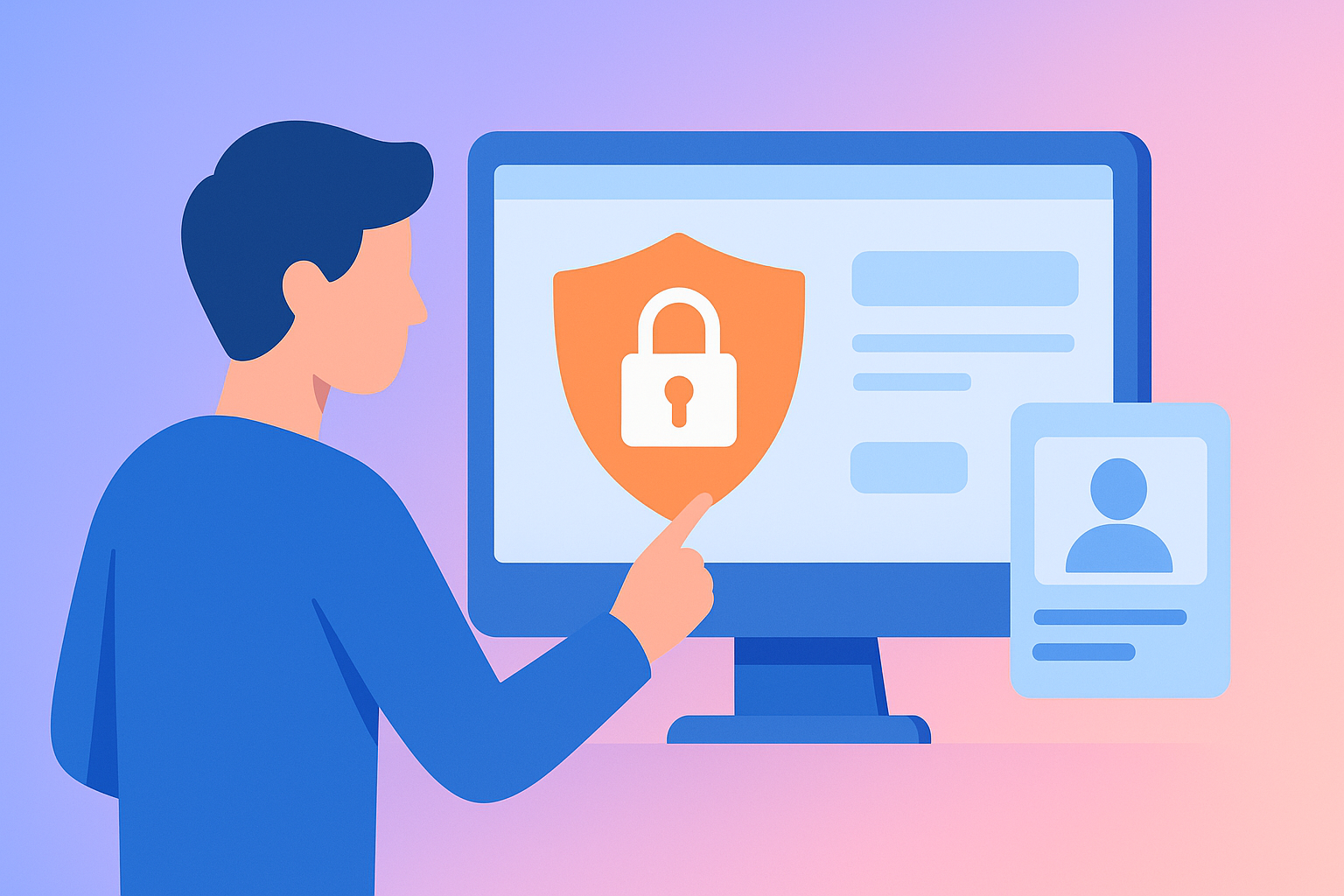
While verification plays a key role, it should be part of a broader approach to online safety. Individuals can take several practical steps to reduce their exposure to identity theft and impersonation.
- Use strong, unique passwords for every account
- Enable two-factor authentication wherever possible
- Monitor accounts regularly for suspicious activity
- Limit the amount of personal information shared publicly
- Use identity verification tools to strengthen your online presence
These actions, combined with a verification record, create a more resilient digital identity that is harder to misuse or replicate.
Why Privacy Matters in Identity Verification
One of the major concerns around identity verification is how data is handled. Systems that store biometric data long term introduce significant risks, including breaches and misuse. Privacy-focused verification models address this by minimising data retention.
PRVEN follows this approach by deleting full images after verification and storing only a hash and a small thumbnail. It does not maintain a biometric database or track users. This ensures that verification strengthens trust without compromising personal data.
As awareness grows, users are increasingly prioritising solutions that balance security with privacy, making this approach more relevant than ever.
The Future of Identity Verification and Online Trust
The rise of AI-generated content and digital impersonation means that identity verification will continue to play a larger role in online interactions. Proving that a real human was present at a moment in time is becoming a foundational requirement for trust.
Rather than relying on assumptions or incomplete signals, verification systems provide a clearer and more consistent standard. This shift does not eliminate risk entirely, but it significantly reduces uncertainty.
For further insight into where this is heading, read the evolving role of identity verification in protecting digital interactions.
Conclusion: Building Trust Through Verification
Identity theft and impersonation are no longer fringe risks; they are everyday realities of the internet. As digital spaces become more complex, establishing authenticity is essential for individuals and organisations alike.
Identity verification offers a practical way to reduce uncertainty and create stronger signals of trust. By focusing on verification events and public proof records, platforms like PRVEN provide a simple and privacy-conscious path towards more reliable digital identity.
In a world where seeing is no longer believing, verification helps restore confidence in who you are interacting with online.
Verify Your Identity with PRVEN
As fraud, impersonation, and AI-generated misuse become more common online, proving that you are real is becoming increasingly important. PRVEN helps you create a trusted verification record that others can rely on.