
Impersonation is no longer a fringe risk for creators; it is a daily reality. From cloned social profiles to AI-generated personas, proving who you are online has become a fundamental challenge. Identity verification offers a clear way to establish trust and reduce uncertainty in a digital world where appearance alone is no longer reliable.
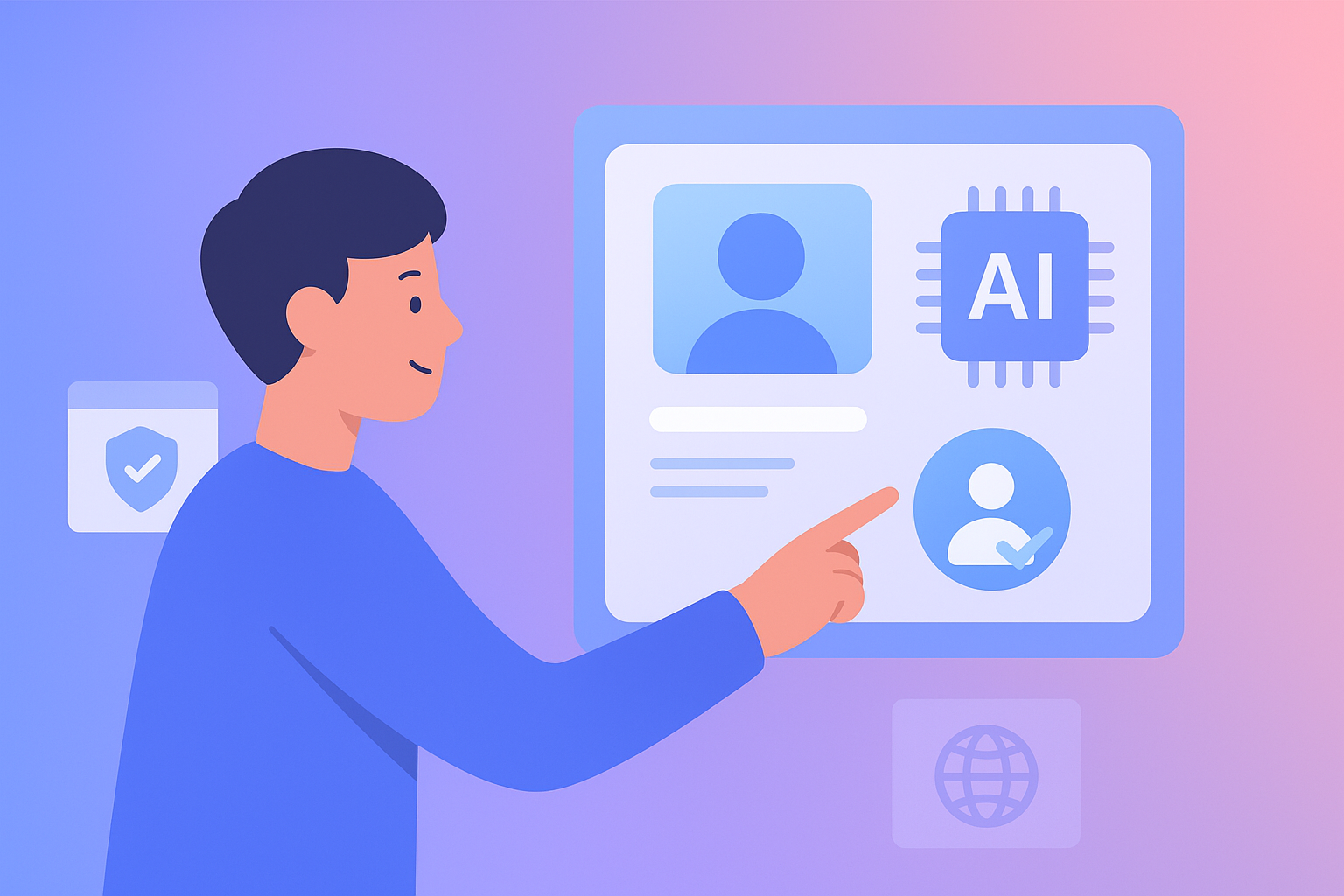
Creators depend on credibility to build audiences, secure partnerships, and protect their reputation. Without a reliable way to demonstrate authenticity, their work and identity can be easily misused. Digital identity verification helps bridge that gap by providing a consistent, verifiable proof that a real person is behind an online presence.
Understanding Digital Identity
Your digital identity is more than a username or profile picture. It represents how others recognise and trust you online. For creators, this identity is closely tied to their income, influence, and reputation. Any ambiguity around authenticity can quickly erode trust and open the door to impersonation.
Fraudsters often exploit this ambiguity by copying images, replicating content styles, or using AI tools to simulate a creator’s voice or likeness. Without a reliable verification signal, audiences and collaborators are left guessing. This uncertainty affects not only individuals but the wider ecosystem of online trust.
To explore the mechanics behind this, see how identity verification works to safeguard your identity, which explains the fundamentals of establishing authenticity online.
How Identity Verification Prevents Impersonation and Fraud
Identity verification creates a clear signal of authenticity by linking a real human presence to a verifiable event. For creators, this helps distinguish their genuine identity from fake accounts or AI-generated imitations. Instead of relying on visual similarity alone, verification introduces proof that can be referenced and shared.
This process typically involves biometric liveness verification, where a user completes a live check that confirms they are physically present. The result is not just a pass or fail outcome, but a record of a verification event that can be used as evidence of authenticity.
For creators, the benefits are practical and immediate:
- Reduce the risk of impersonation across platforms
- Provide audiences with a trusted reference point
- Strengthen brand credibility and professionalism
- Support partnerships that require identity assurance
When a creator can point to a public proof record, it becomes significantly harder for bad actors to mislead others. This shifts the balance from assumption to verification.
The Role of Biometric Verification in Building Trust
Biometric liveness verification plays a key role in confirming that a real person is present at a specific moment in time. Unlike static images, which can be copied or manipulated, liveness checks require active participation, making them far more resistant to abuse.
Modern systems compare a live capture with a reference image to determine similarity and confidence levels. The outcome is not about guaranteeing identity, but about producing a trustworthy verification record that shows a real human completed the process.
This distinction is important. Verification does not claim to prove everything about a person; it simply provides evidence that a genuine interaction occurred. That evidence can then be used by others to make informed decisions.
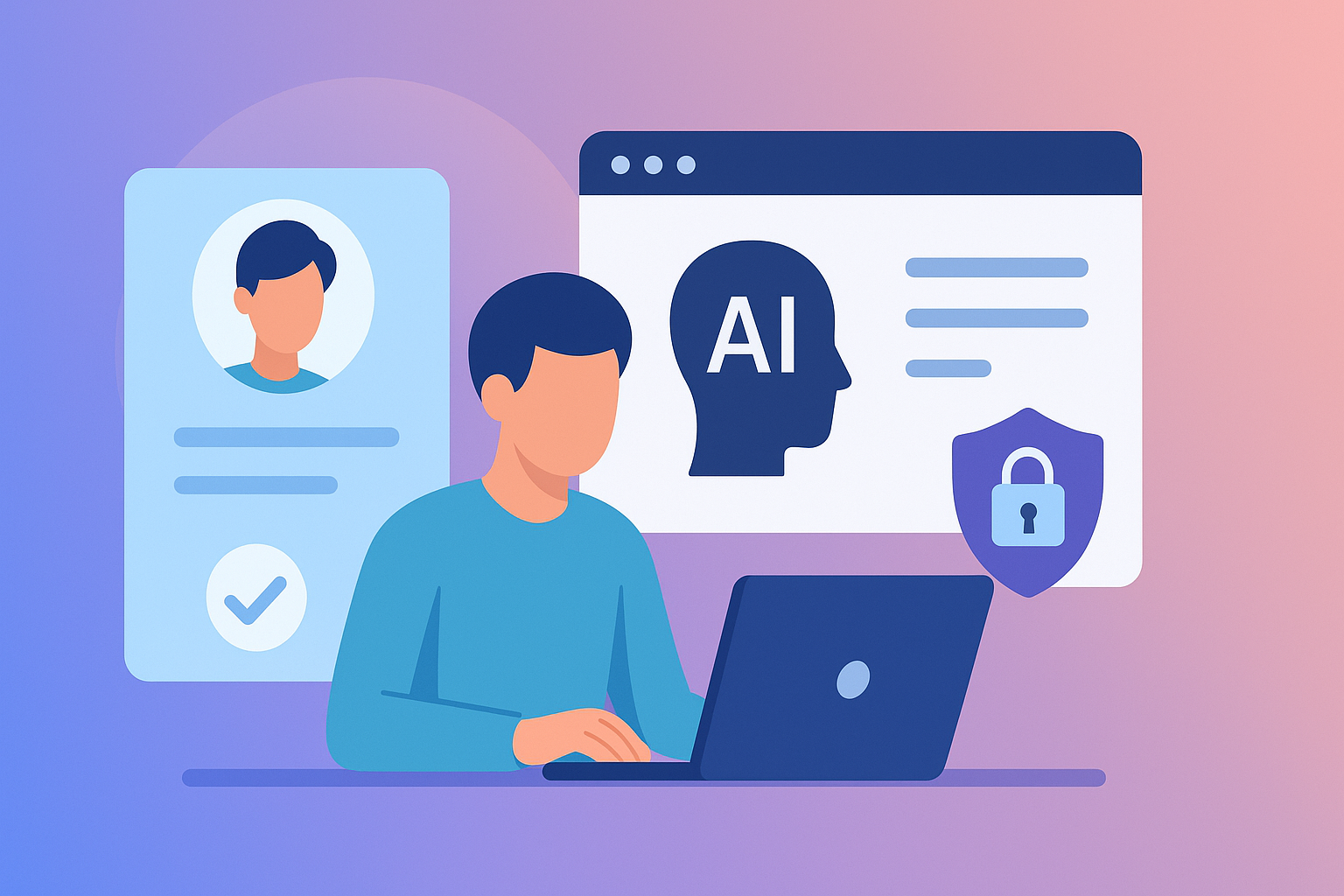
As explained in identity verification systems and their role in online trust, the strength of verification lies in its ability to create consistent, repeatable proof rather than relying on assumptions.
Why Public Proof Matters for Creators
Verification is only useful if it can be shared and understood by others. Public proof records provide transparency, allowing anyone to see that a verification event took place, when it happened, and the outcome.
For creators, this creates a reliable reference point that can be linked across platforms, included in profiles, or shared with collaborators. Instead of asking audiences to trust them blindly, they can point to a verifiable record.
This approach aligns with how trust is built in other areas of life: through evidence, not claims. A public verification page does not guarantee identity or behaviour, but it significantly reduces uncertainty by showing that a real human completed a biometric verification process.
Understanding the importance of this shift is key, and why identity verification matters for digital safety provides further context on how public proof supports safer online interactions.
A Privacy-First Approach to Verification
One of the main concerns around biometric verification is data storage. Many people assume that verification requires building large databases of sensitive information. However, privacy-focused systems do not store biometric data long-term.
Instead, they generate a verification record while discarding full images and avoiding the creation of biometric templates. This approach ensures that users can prove a verification event occurred without contributing to a centralised identity database.
PRVEN follows this model by recording the outcome of a biometric liveness check and creating a public proof record, while avoiding long-term storage of sensitive data. This allows creators to demonstrate authenticity without compromising their privacy. You can learn more or create a record at PRVEN.
Strengthening Your Online Presence with Verification
For creators, trust is not optional; it is the foundation of growth. Identity verification strengthens this foundation by providing a clear, shareable signal that distinguishes genuine individuals from impostors.
As AI-generated content becomes more convincing, the ability to prove a real human presence will become increasingly valuable. Verification does not replace creativity or content quality, but it reinforces the credibility behind it.
By adopting verification early, creators can:
- Establish a stronger, more trusted brand identity
- Reduce the risk of impersonation and fraud
- Build confidence with audiences and collaborators
- Prepare for a future where proof of authenticity is expected
In a landscape shaped by uncertainty, clear proof stands out. Identity verification provides that proof, helping creators maintain control over their digital identity and protect what they have built.
Conclusion: Trust Requires Proof
The challenge of proving authenticity online is not going away. As impersonation techniques become more advanced, relying on surface-level signals is no longer enough. Verification introduces evidence, turning trust from guesswork into something more concrete.
For creators, this shift is critical. A verified identity not only protects against misuse but also strengthens relationships with audiences who increasingly value transparency. By embracing identity verification, creators can move from being assumed to being proven.
Verify Your Identity with PRVEN
As fraud, impersonation, and AI-generated misuse become more common online, proving that you are real is becoming increasingly important. PRVEN helps you create a trusted verification record that others can rely on.