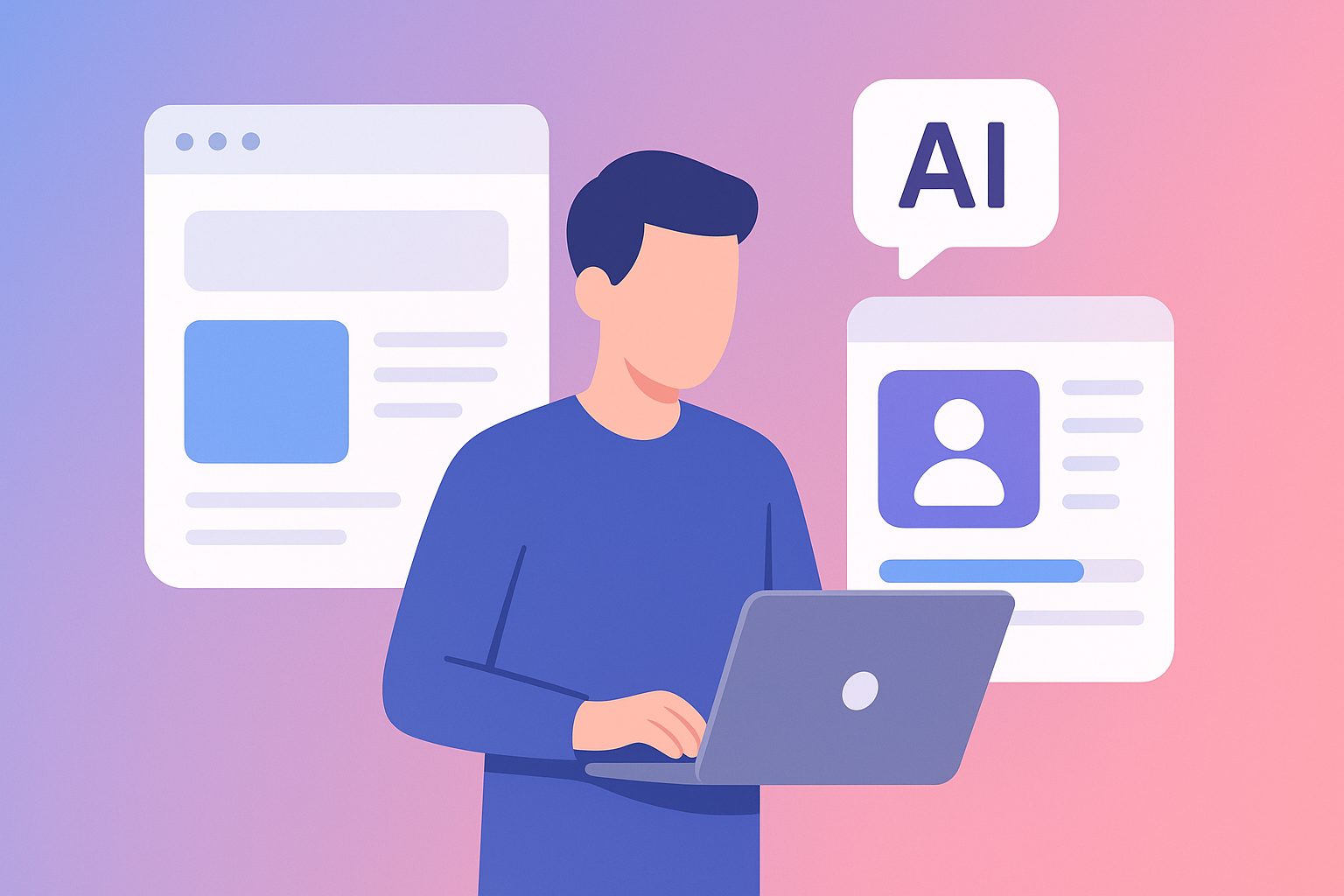

False identities online are no longer rare—they are routine. From fake social profiles to AI-generated impersonations, it has become increasingly difficult to know who is genuinely behind a screen. Online impersonation is now a trust problem, affecting creators, professionals, and anyone building a public presence.
The Dangers of Online Impersonation
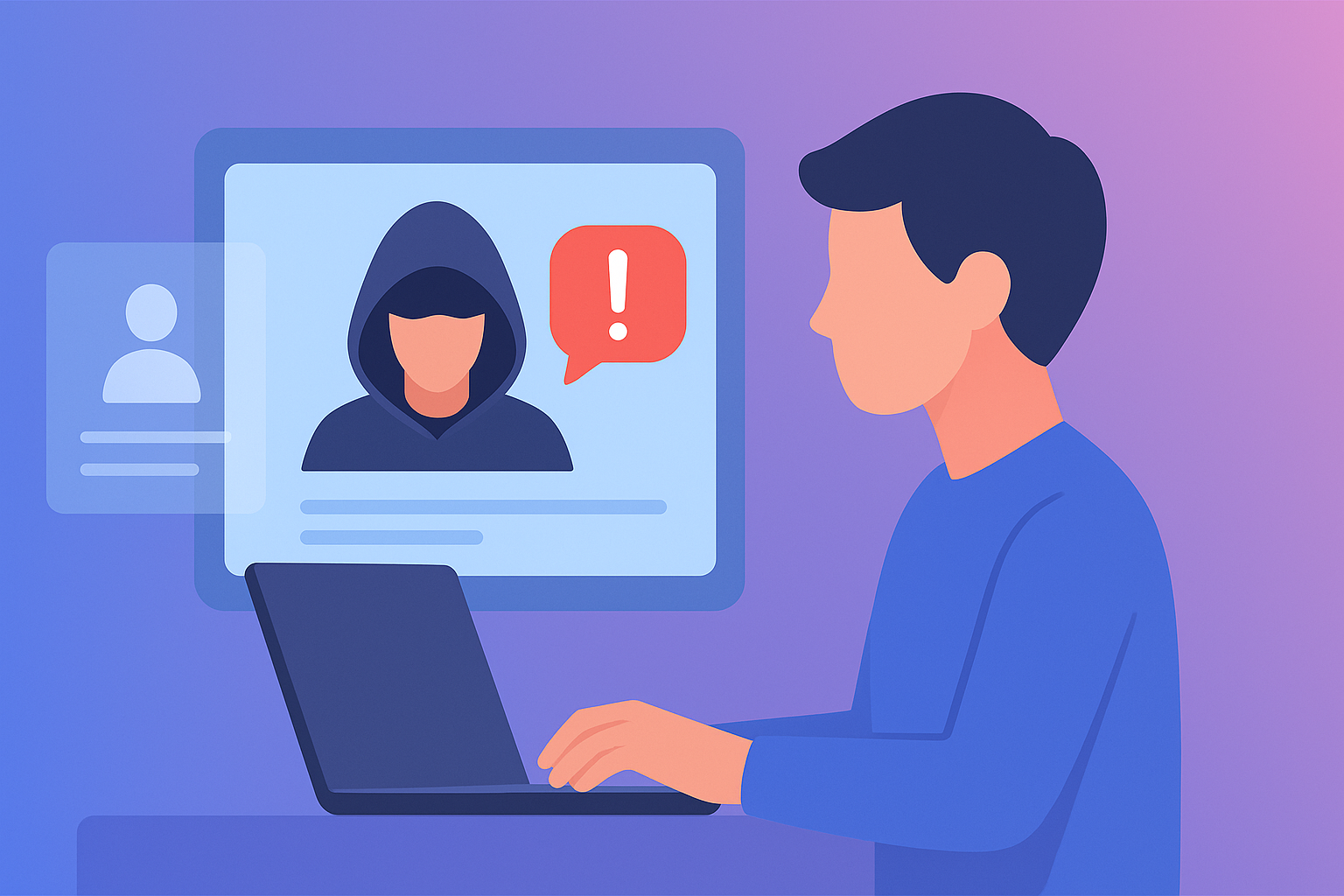
Online impersonation has become a prevalent issue, with individuals and organisations facing severe consequences. Imagine receiving a message from a trusted friend, only to discover that their account has been hijacked and used to solicit money. This scenario highlights the risks associated with online impersonation, where malicious actors exploit identities to deceive others.
The scale of impersonation has expanded due to AI tools that can replicate faces, voices, and behaviour with alarming accuracy. What once required effort and technical skill can now be done quickly and cheaply, creating fake personas that appear believable across platforms.
Common risks include:
- Financial scams carried out under a trusted identity
- Reputation damage caused by fake content
- Loss of audience trust for creators and public figures
- Manipulation through impersonated authority figures
The core issue is uncertainty. When people cannot confidently determine whether a person is real, every interaction becomes questionable.
Why Digital Trust Is Breaking Down
Trust online has traditionally relied on signals like profile pictures, follower counts, and content consistency. However, these signals are increasingly easy to fake or manipulate. Visual identity alone is no longer reliable.
AI-generated images and deepfake technology have undermined the assumption that seeing is believing. A convincing profile does not guarantee that a real person is behind it, and even live content can be misleading.
This breakdown in trust affects multiple groups:
- Creators who rely on authenticity to build audiences
- Professionals who need credibility to win work
- Audiences trying to distinguish real voices from fake ones
As explored in enhancing creator protection with AI, the rise of synthetic media means identity must be supported by something more concrete than appearance alone.
How Identity Verification Helps Prevent Impersonation
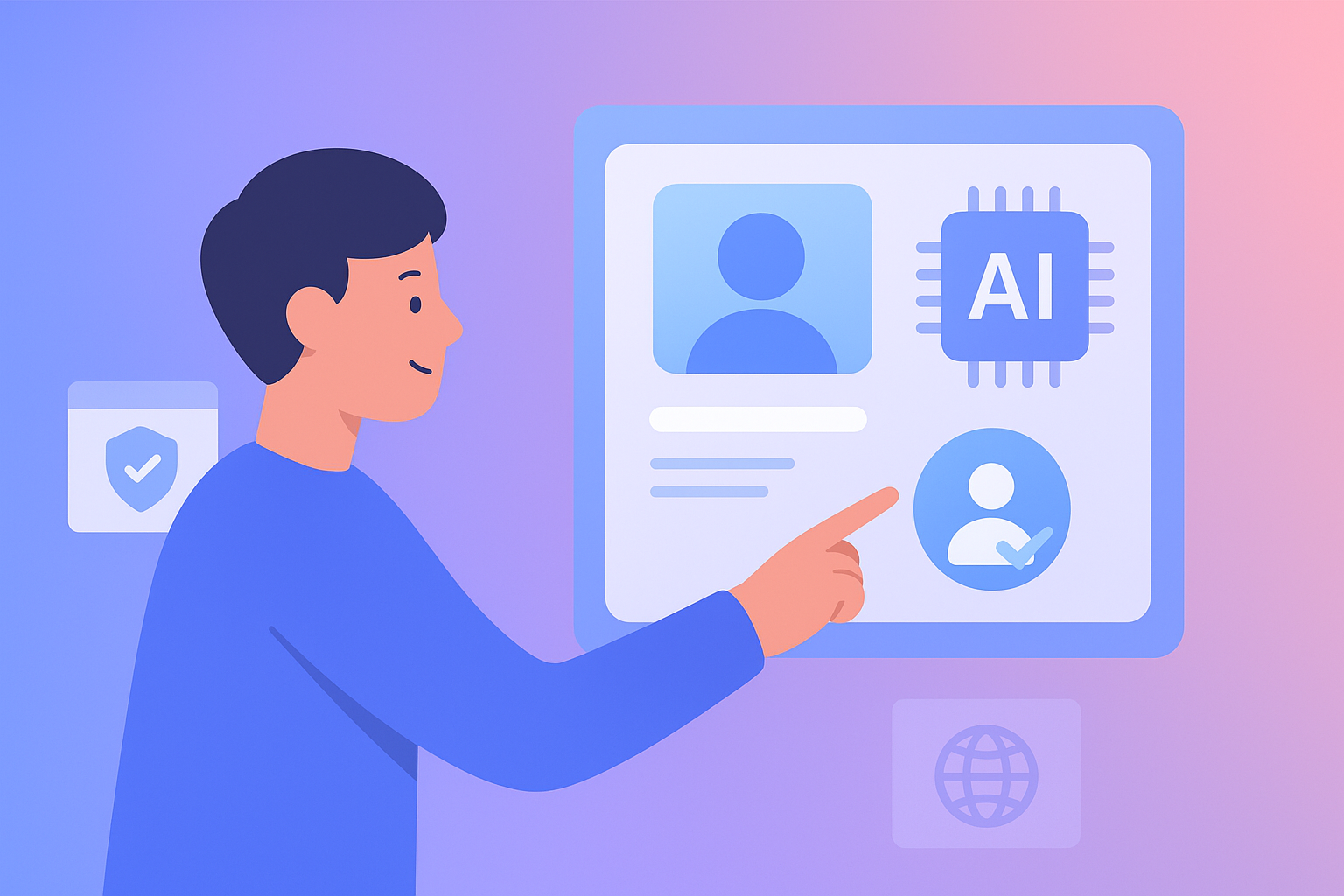
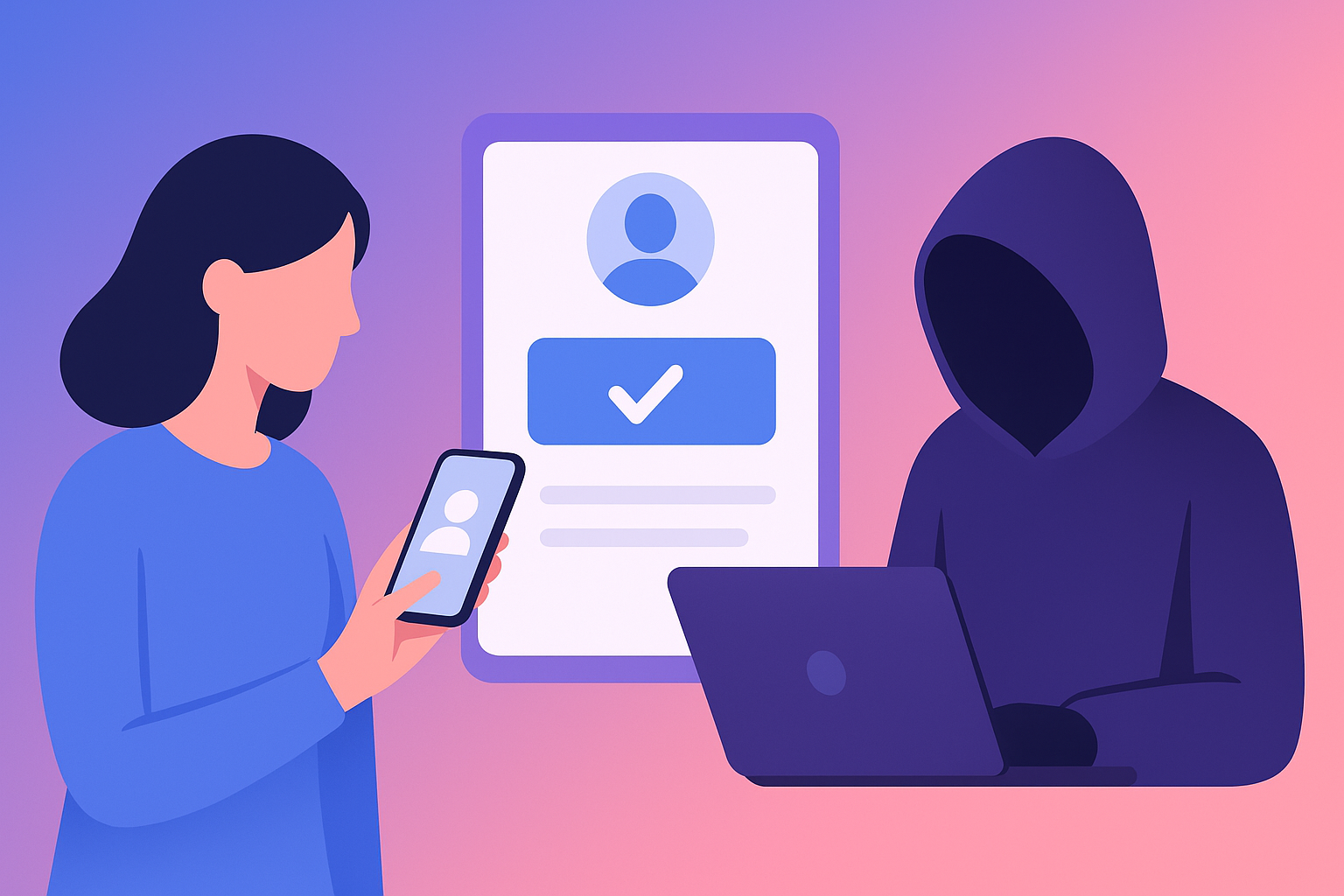
Identity verification introduces a critical missing layer: evidence that a real human was present at a specific moment. Rather than relying on static profiles, verification creates a recorded event that can be referenced and shared.
Identity verification is crucial in combating online impersonation. By confirming a person’s presence through biometric liveness verification, organisations and individuals can reduce the risk of misuse. When a verified record exists, it becomes harder for impersonators to operate without being questioned.
For more information on how to enhance your security through identity verification, visit PRVEN. Understanding the importance of verifying identities can help you avoid falling victim to impersonation.
- Protects personal information
- Reduces the risk of financial fraud
- Enhances trust in online interactions
The key distinction is simple: verification does not claim who someone is—it proves that a real person completed a verification process at a specific time.
Biometric Liveness Verification: A Practical Approach
Biometric liveness verification works by confirming that a live human is present during a verification event. This prevents the use of static images, pre-recorded videos, or synthetic media during the process.
This approach does not rely on storing biometric data. Instead, it focuses on generating a verification outcome, including confidence and similarity scores, along with a timestamped record of the event.
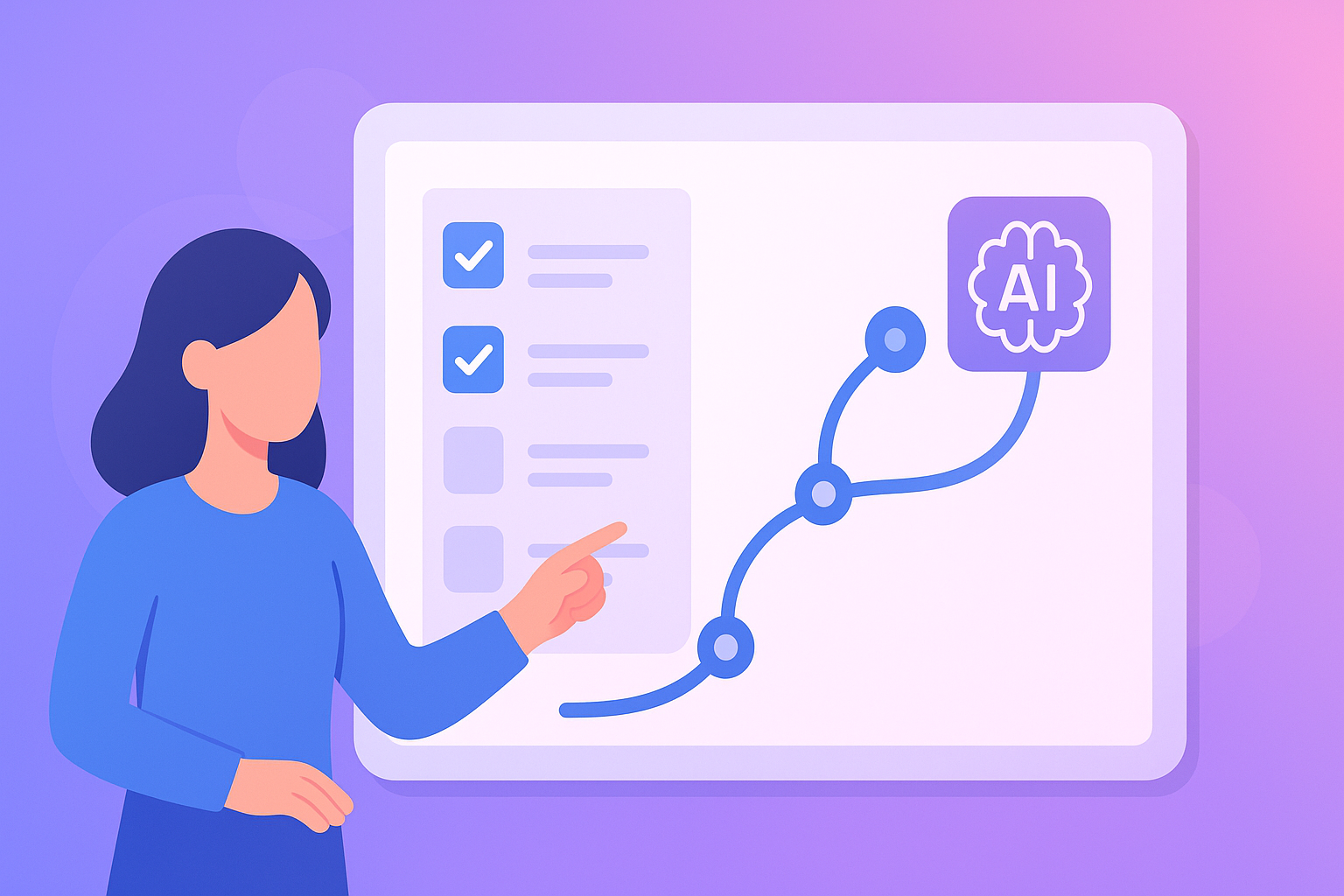
With platforms like PRVEN, the process is designed to be simple:
- Upload a reference image
- Complete a live verification check
- Receive a verification result
- Generate a public proof record
No biometric templates are stored, and full images are deleted after verification, supporting a privacy-focused model while still enabling trust.
Public Proof Records and Online Authenticity
A major challenge in digital identity is not just verification, but communication. People need a simple way to show that verification has occurred. This is where public proof records become valuable.
A public verification page provides:
- A timestamped verification event
- A unique verification ID
- Non-sensitive verification data
- An optional visual reference
This allows others to independently view and assess whether a verification event took place, without exposing sensitive biometric information.
As highlighted in creator identity protection strategies, having a visible proof layer helps reduce ambiguity and strengthens credibility across platforms.
Why Verification Matters for Creators and Professionals
For anyone building a public presence, trust is an asset. Without it, audiences hesitate, collaborations stall, and reputations can be easily undermined. Verification provides a foundation for consistent credibility.
Creators, consultants, and public figures benefit from:
- A clear way to demonstrate authenticity
- Reduced risk of impersonation claims
- Stronger audience confidence
- A reliable reference point across platforms
Importantly, verification does not attempt to control behaviour or monitor activity. It simply creates a record that can be referenced when needed.
This lightweight approach makes it practical for everyday use while still addressing a serious problem.
The Future of Online Identity and Trust
The internet is moving towards a model where proof matters more than presentation. As AI continues to blur the line between real and synthetic, systems that provide verifiable evidence of human presence will become increasingly important.
Identity verification will not replace trust entirely, but it will reshape how trust is built. Instead of relying on assumptions, users will look for verifiable signals that confirm authenticity.
PRVEN fits into this shift by offering a straightforward way to:
- Prove a real human was present during a verification event
- Create a public, timestamped proof record
- Support online trust without storing biometric data
This model keeps control with the individual while still providing meaningful signals to others.
Conclusion: Reducing Uncertainty in a Digital World
Online impersonation is not just a technical issue—it is a trust issue. As fake identities become easier to create, the need for clear, verifiable proof becomes more urgent. Identity verification offers a practical way to reduce uncertainty without adding unnecessary complexity.
By focusing on verification events rather than permanent identity claims, solutions like PRVEN provide a balanced approach to digital trust. They do not promise certainty, but they offer something essential: evidence that a real human was present at a specific moment.
Learn how to protect your digital identity as a creator and understand why verification is becoming a critical part of staying credible online.
Verify Your Identity with PRVEN
As fraud, impersonation, and AI-generated misuse become more common online, proving that you are real is becoming increasingly important. PRVEN helps you create a trusted verification record that others can rely on.