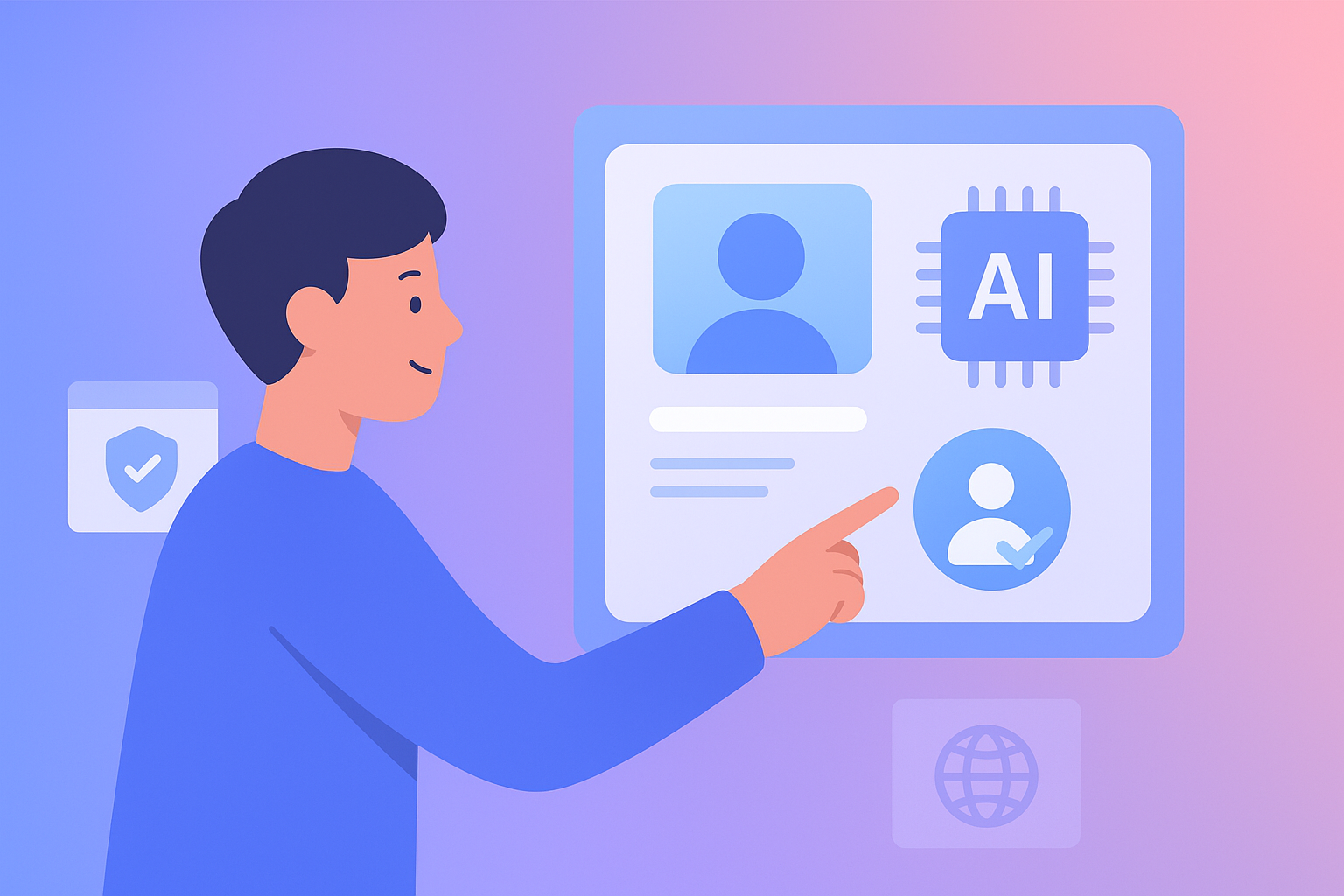

Digital impersonation is no longer rare or obvious. From cloned profiles to AI-generated personas, it has become increasingly difficult to distinguish between a real person and a convincing fake. For creators, professionals, and public figures, this creates a growing trust problem that demands a clear, verifiable solution.
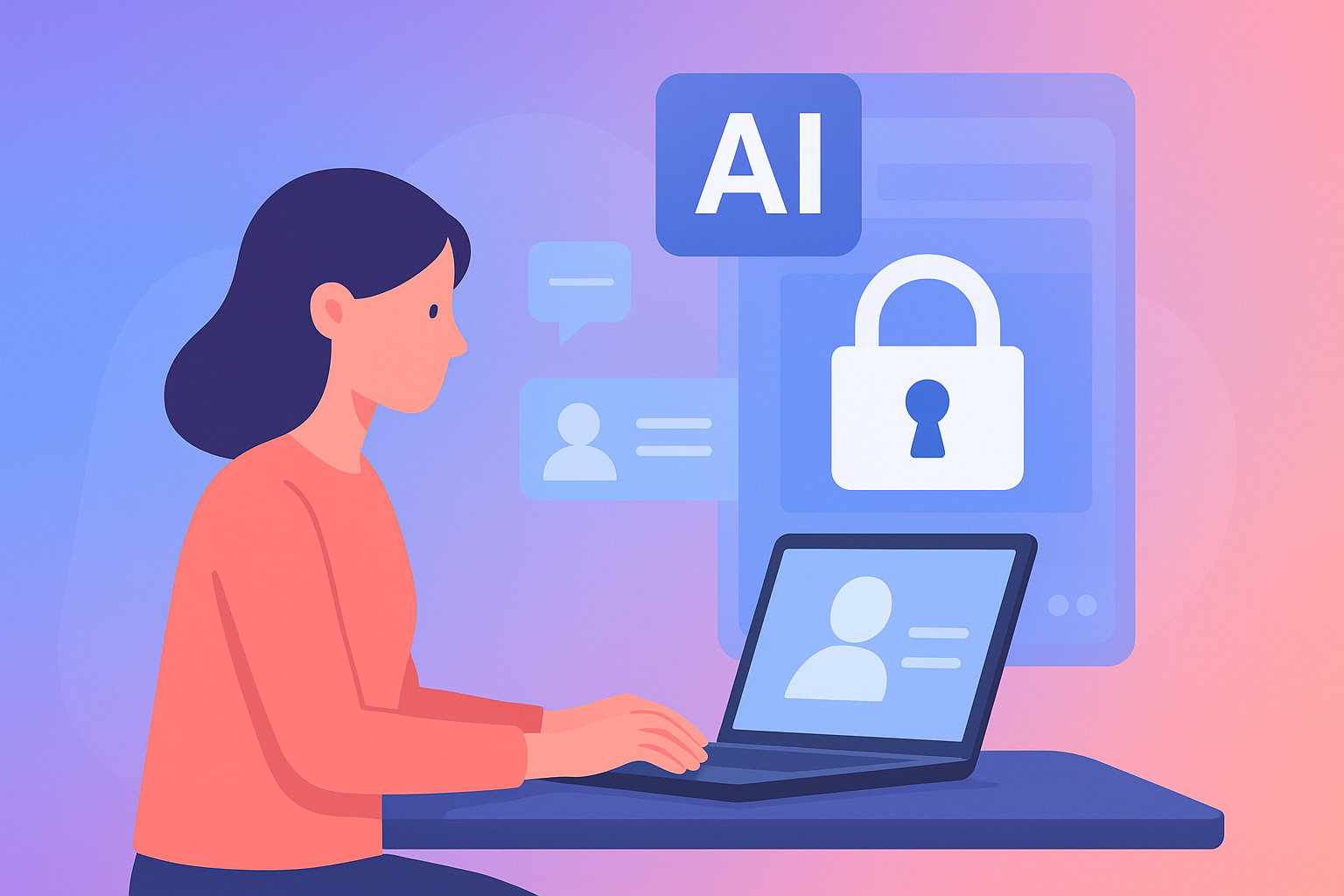
The challenge is not just about being seen online, but about being believed. In a landscape shaped by synthetic media and AI-generated content, proving you are a real human is becoming essential for maintaining credibility and protecting your digital identity.
The Rising Threat of Digital Impersonation
Impersonation has evolved from simple copycat accounts to highly convincing digital replicas. Social media profiles, influencer accounts, and even professional identities can now be mimicked with alarming accuracy. This shift has been accelerated by advances in synthetic media, making it harder to detect deception at a glance.
To understand the broader risks, it is worth exploring how synthetic content is reshaping online trust. Understanding synthetic media risks and implications highlights how AI-generated visuals and identities are contributing to widespread uncertainty.
For creators, the consequences are tangible. Impersonators can mislead audiences, damage reputations, and exploit trust built over time. This is not just a branding issue; it is a fundamental breakdown of digital identity trust.
Why Traditional Identity Signals Are No Longer Enough
Historically, verification relied on surface-level indicators such as usernames, profile pictures, or platform badges. These signals are now easy to replicate or manipulate. A profile can look authentic while being entirely fabricated.
The rise of AI-generated faces and automated content means that visual cues are no longer reliable indicators of authenticity. Even engagement metrics can be artificially inflated, giving the illusion of legitimacy.
This erosion of trust creates a gap that traditional systems cannot fill. What is needed is a way to provide objective proof that a real person was present at a specific moment in time, rather than relying on signals that can be copied.
How Identity Verification Helps Prevent Impersonation
Modern identity verification introduces a stronger foundation for trust by focusing on real human presence rather than static identifiers. Through biometric liveness verification, it becomes possible to confirm that a real person completed a verification process.
Platforms like PRVEN take this a step further by generating a public proof record of a verification event. This record does not attempt to guarantee identity or behaviour, but it provides clear evidence that a real human was present during verification.
This distinction matters. Instead of claiming certainty about who someone is, the system focuses on proving what actually happened: a verified human interaction. That shift helps reduce ambiguity without overpromising.
- Confirms real human presence during verification
- Creates a timestamped verification record
- Provides a shareable public proof link
PRVEN’s Approach to Digital Identity and Trust
PRVEN is designed around a simple principle: prove the event, not the identity. Instead of building a centralised identity database, it records that a biometric verification took place and makes that proof accessible.
The process is straightforward. A user uploads a reference image, completes a liveness check, and receives a verification record. This record includes a timestamp, verification data, and a public-facing page that can be shared.
Importantly, PRVEN does this without storing full biometric data. Images are not retained long-term, and there is no biometric template database. This privacy-focused model ensures that users can prove authenticity without compromising personal data.
To better understand the role of synthetic content in identity challenges, revisit synthetic media risks and implications and how they connect to verification solutions like PRVEN.
The Role of Public Proof in Online Credibility
A key advantage of PRVEN is the creation of a public verification page. This page acts as a transparent record that others can view, helping to establish credibility without relying on platform-specific verification systems.
Unlike private verification checks, a public proof record can be shared across platforms, making it more versatile and independent. Whether someone is a creator, consultant, or public figure, this provides a consistent way to demonstrate authenticity.
In practice, this means audiences no longer have to rely solely on trust or appearance. They can reference a verifiable record that confirms a real human completed a verification event.
Privacy Without Compromise
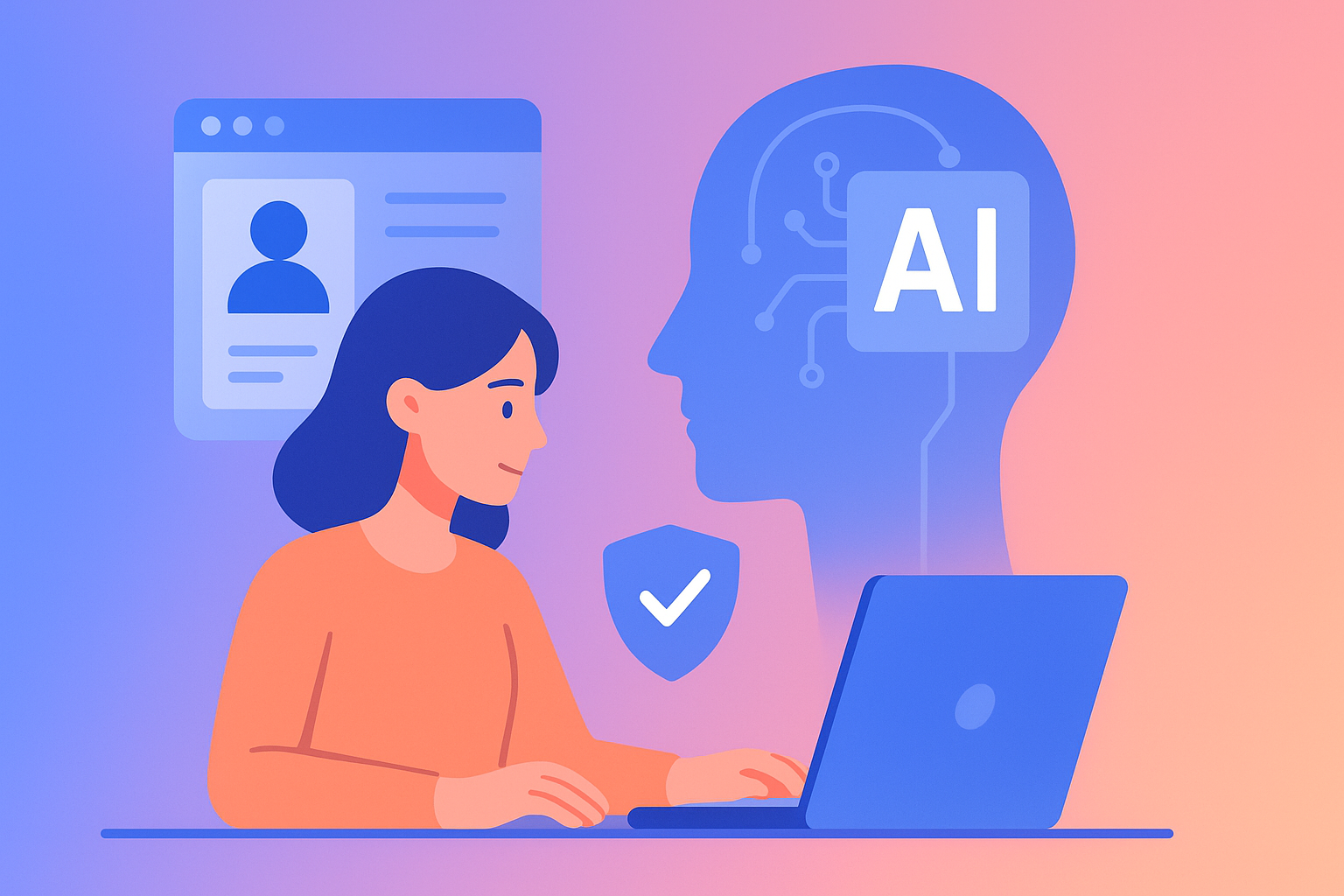
One of the main concerns around biometric systems is data storage. Many users hesitate to engage with verification tools due to fears of long-term biometric tracking or misuse.
PRVEN addresses this by ensuring that full images are deleted after verification and only minimal data is retained. A hash and a small thumbnail are stored purely for record integrity, not for identification or tracking.
This approach avoids the creation of a face database or ongoing monitoring system. Users maintain control over their data while still benefiting from a verifiable proof record.
As synthetic media continues to evolve, solutions that balance privacy and trust will become increasingly important.
Building a Trust Layer for the Internet
The internet lacks a consistent way to confirm whether someone is real. PRVEN contributes to solving this by introducing a lightweight trust layer built on verification events rather than identity claims.
This model does not aim to replace existing platforms or verification systems. Instead, it complements them by providing an independent proof that can be referenced anywhere.
By focusing on verifiable events, PRVEN avoids many of the pitfalls associated with identity systems, such as overreach, data centralisation, or false guarantees.
For a deeper look at how emerging technologies are affecting trust online, explore the implications of synthetic media on digital identity.
Conclusion: Proving You Are Real in a Digital World
As impersonation becomes more sophisticated, the need for reliable proof of authenticity grows stronger. Visual cues and social signals are no longer sufficient in a world shaped by AI and synthetic content.
PRVEN offers a clear alternative: a way to create a public, timestamped proof of a biometric verification event without storing sensitive data or making unrealistic claims about identity.
By focusing on what can be verified rather than what can be assumed, it helps reduce uncertainty and rebuild trust in digital interactions. For creators and professionals alike, this represents a practical step towards a more transparent and accountable online presence.
Verify Your Identity with PRVEN
As fraud, impersonation, and AI-generated misuse become more common online, proving that you are real is becoming increasingly important. PRVEN helps you create a trusted verification record that others can rely on.