
Every interaction online carries a simple question: is there a real person behind this? As AI-generated content and impersonation become more convincing, digital identity verification is no longer optional—it is essential for trust.
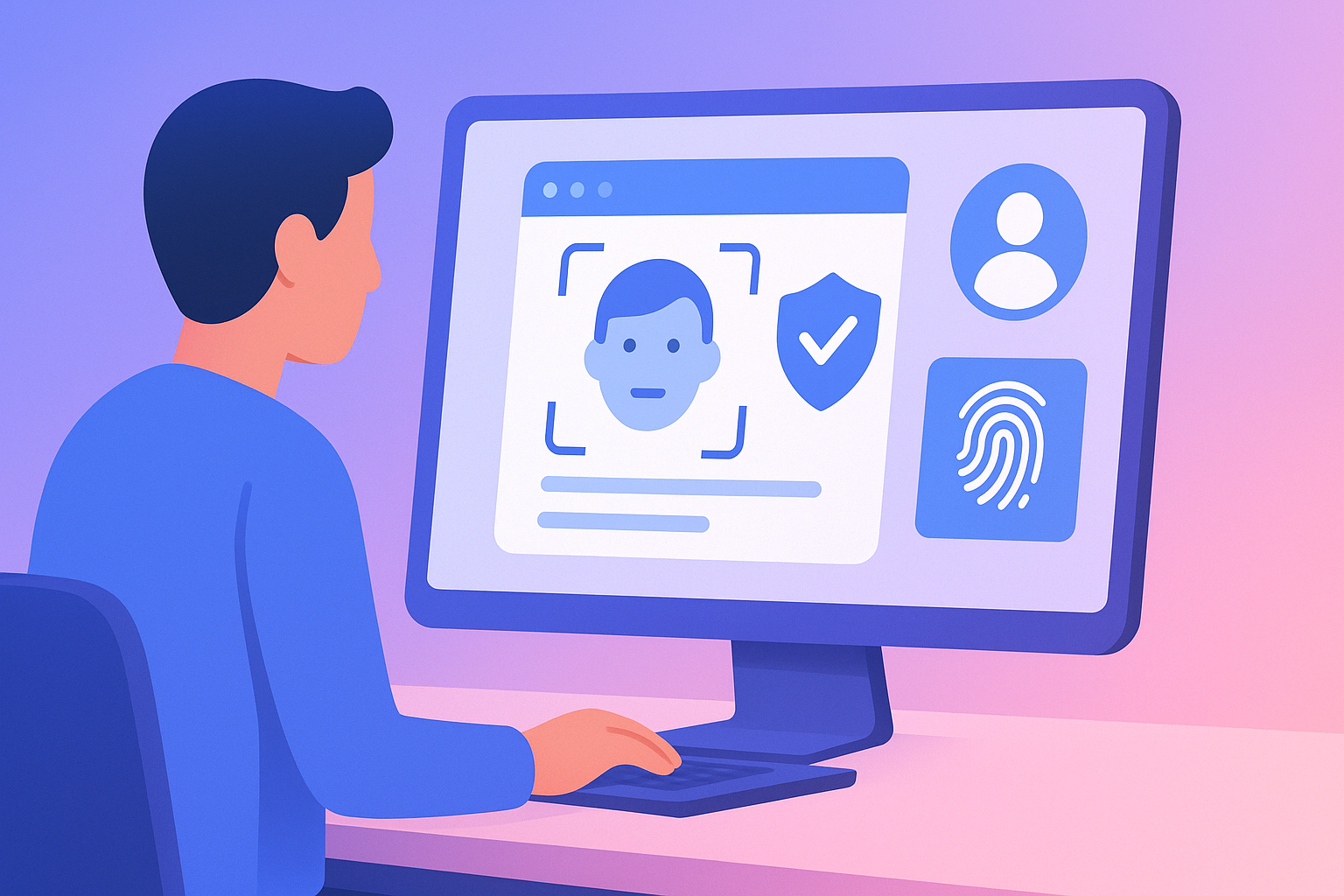
Understanding how digital identity works, and how verification reduces fraud, helps individuals and organisations navigate an increasingly uncertain online environment with confidence.
What is Digital Identity?
Your digital identity is the collection of information and signals that represent you online. It extends beyond login credentials and includes behaviours, profiles, and increasingly, biometric verification signals that indicate real human presence.
Traditionally, digital identity has relied heavily on usernames and passwords. However, these methods are easy to compromise, share, or fake. As a result, they no longer provide strong assurance that a real individual is behind an account.
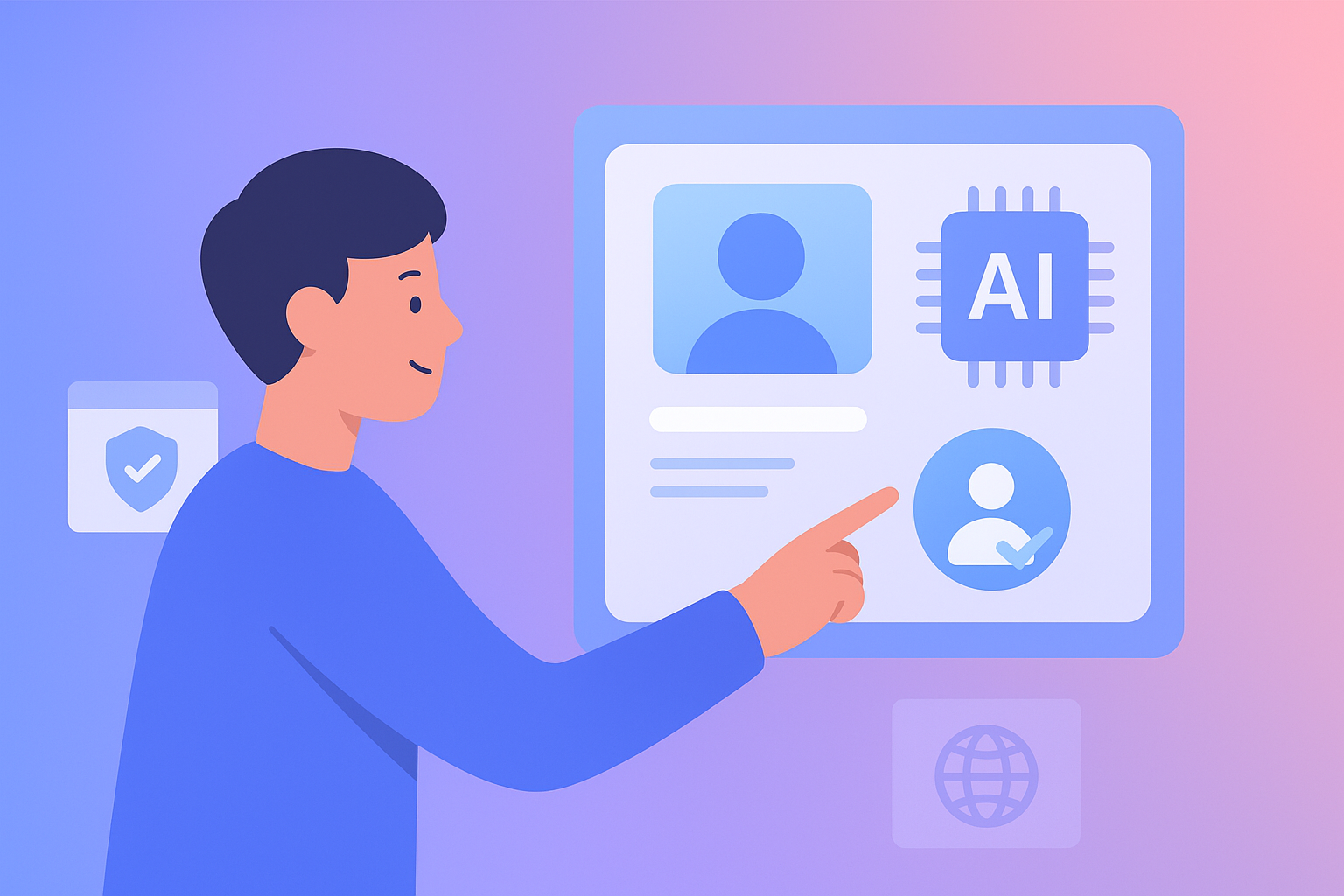
Today, digital identity is shifting towards systems that verify human authenticity rather than just access credentials. This is where biometric liveness verification plays a role, helping confirm that a real person was present during a verification event.
Modern platforms such as PRVEN approach digital identity differently by focusing on verification events, rather than building centralised identity databases. This allows individuals to prove they are real without giving up long-term control of their personal data.
Why Digital Identity is Under Threat
The growth of AI tools has made it significantly easier to generate realistic faces, voices, and entire online personas. This has created a surge in impersonation, misinformation, and fraudulent activity.
These risks are not theoretical—they impact everyday interactions:
- Fake profiles posing as real individuals
- Deepfake videos used to mislead audiences
- Impersonation scams targeting businesses and followers
- Automated bot accounts mimicking human behaviour
In this environment, simply “having an account” is no longer enough. What matters is whether someone can provide verifiable proof of being human.
To explore how verification helps address these risks, see the importance of online identity verification in preventing fraud, which outlines why traditional systems are falling short.
How Identity Verification Prevents Fraud
Identity verification reduces fraud by confirming that a real person was present during a specific interaction. This shifts trust away from static credentials and towards measurable, time-based verification events.
Rather than relying on assumptions, verification introduces evidence. A properly recorded verification event includes key details such as time, confidence, and confirmation of liveness.
This approach helps:
- Reduce impersonation by linking accounts to real human presence
- Increase confidence in online interactions
- Protect audiences from misleading or fake profiles
- Create accountability without exposing sensitive data
Biometric liveness verification is particularly effective because it confirms that a live human was present at the moment of verification, rather than relying on static images or reused content.
For a deeper look at why this matters, revisit how identity verification prevents fraud in modern systems and how it strengthens online trust.
The Role of Public Proof in Building Trust
Verification alone is powerful, but its real value comes from visibility. A public proof record allows others to independently verify that a biometric verification event took place.
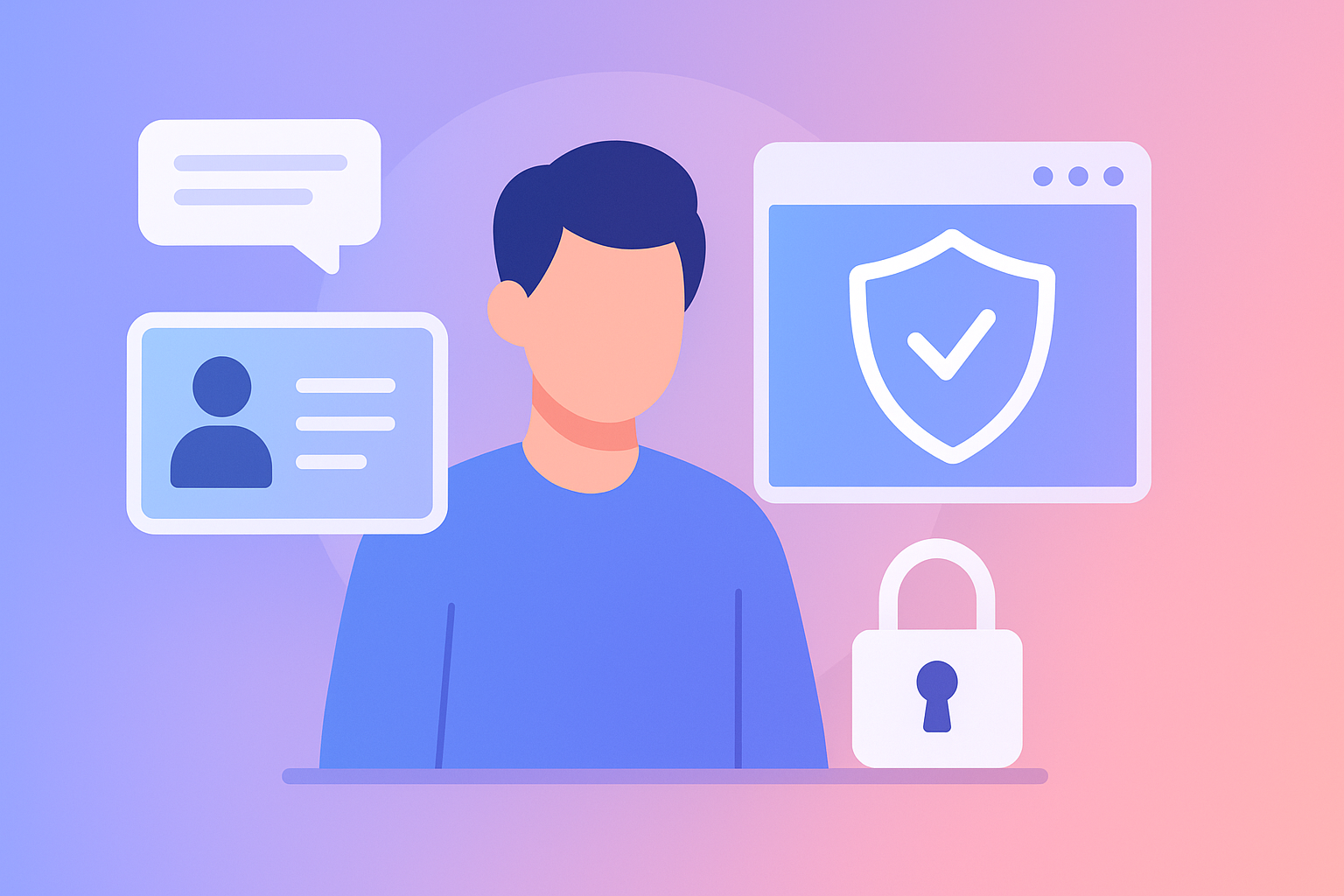
This transparency changes how trust works online. Instead of relying on claims, users can share a verification record that includes:
- A timestamp of when verification occurred
- A verification ID for reference
- A confirmation of liveness detection
- Confidence and similarity scores
Importantly, systems like PRVEN achieve this without storing full biometric data. Only minimal elements such as hashes and thumbnails are retained, ensuring a privacy-focused verification model.
This balance—proof without long-term biometric storage—is critical for maintaining user trust while still providing meaningful verification.
How PRVEN Supports Digital Identity Verification
PRVEN is designed to address the growing gap between identity claims and verifiable proof. It enables individuals to complete biometric liveness verification and generate a public record confirming that the event occurred.
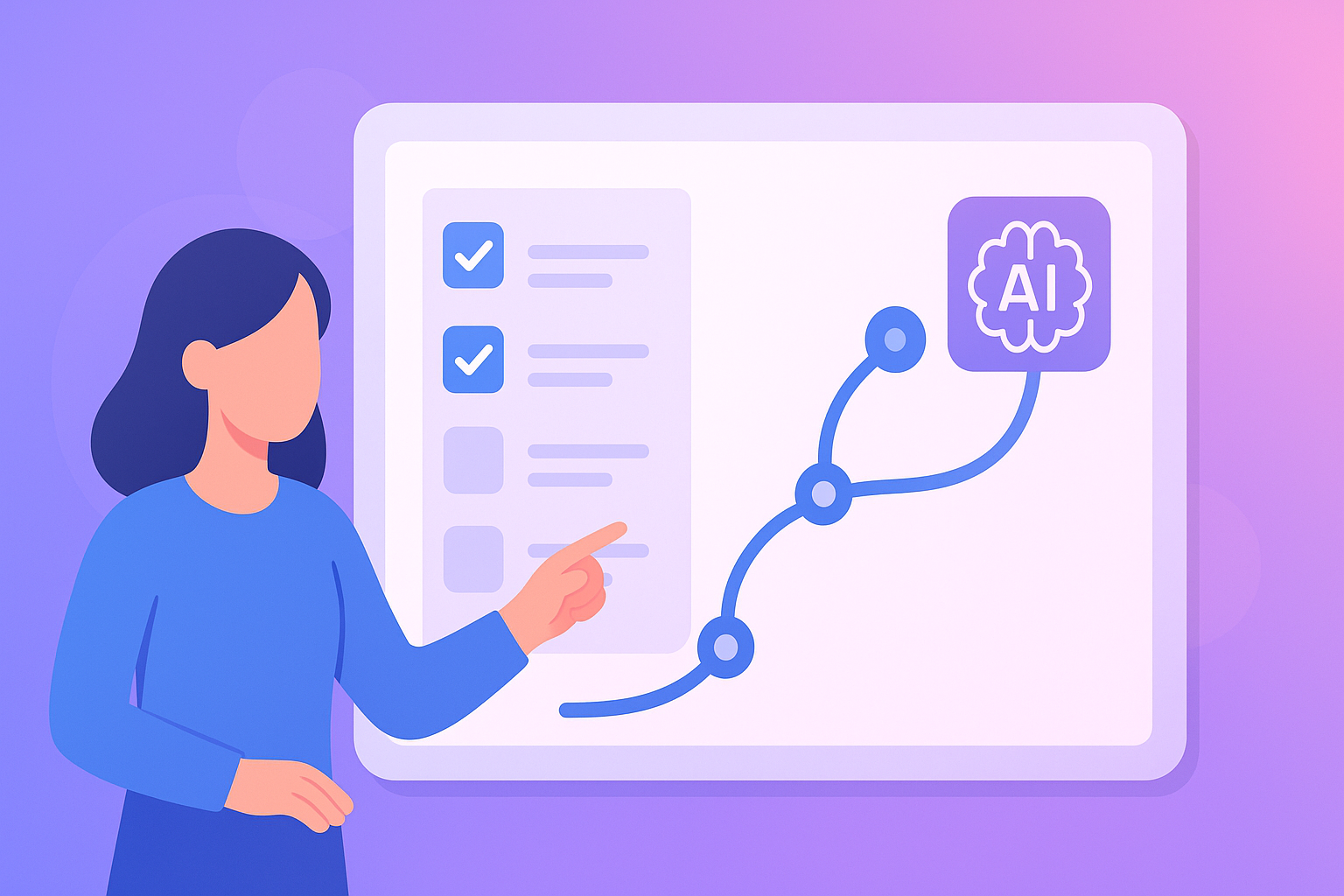
The process is straightforward:
- Sign up with email and password
- Upload a reference image
- Complete a live verification check
- Receive a verification record
- Share a public proof page
Critically, PRVEN does not store full images or create a biometric database. Instead, it records a timestamped verification event that can be referenced and shared.
If you want to establish your own verification record, you can do so here: identity.prven.org.
This approach ensures that individuals can demonstrate authenticity while maintaining control over their data and privacy.
Benefits of Verification for Individuals and Professionals
For anyone building a public presence, verification is quickly becoming a baseline requirement rather than a competitive advantage. It provides clarity in environments where uncertainty is growing.
Key benefits include:
- Stronger credibility when interacting with audiences or clients
- Reduced risk of impersonation and fake profiles
- Clear distinction between verified and unverified accounts
- Simple, shareable proof of human authenticity
For creators, consultants, and public figures, this can directly impact reputation and trust. A visible verification record offers reassurance without requiring constant revalidation.
It also aligns with broader shifts towards transparent digital identity systems, where users actively demonstrate authenticity rather than passively claiming it.
The Future of Digital Identity and Trust
As AI-generated content continues to advance, the line between real and synthetic will become harder to distinguish. This makes proof-based identity systems increasingly important.
The future of digital identity will likely centre on:
- Verification events instead of static profiles
- Public proof records instead of private claims
- Privacy-preserving systems instead of centralised databases
Platforms that prioritise minimal data storage while still providing verifiable proof—like PRVEN—are well positioned for this shift.
The goal is not to guarantee identity or control behaviour, but to provide clear, accessible evidence that a real human was present at a specific moment in time.
Conclusion
Digital identity is no longer just about access—it is about trust. In a world where impersonation is easy and authenticity is uncertain, identity verification provides clarity.
By focusing on verification events and public proof records, systems like PRVEN offer a practical way to reduce ambiguity without compromising privacy. The result is a more transparent and trustworthy digital environment.
As online interactions continue to grow, the ability to prove you are human will become a defining element of digital identity.
Verify Your Identity with PRVEN
As fraud, impersonation, and AI-generated misuse become more common online, proving that you are real is becoming increasingly important. PRVEN helps you create a trusted verification record that others can rely on.