
It has become increasingly difficult to tell whether the person behind a screen is genuinely human. With the rise of synthetic media, impersonation, and AI-generated identities, online identity verification is no longer optional—it is essential for maintaining trust.
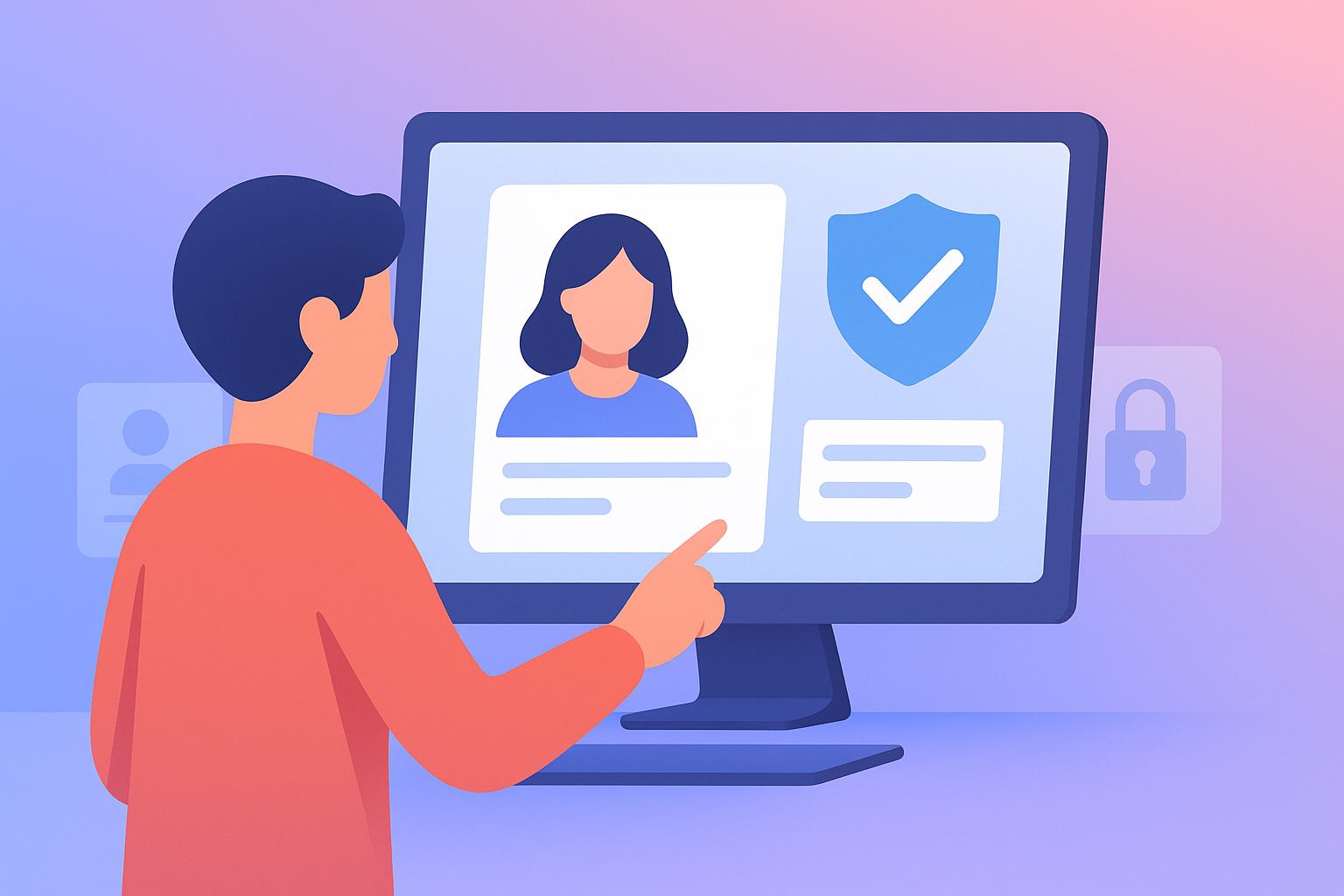
Understanding Online Identity Verification
In an increasingly digital world, the risk of identity theft and fraud is at an all-time high. Imagine a scenario where your personal information is stolen and used to make unauthorised transactions. This is not just a fear; it is a reality for many individuals and organisations. Online identity verification serves as a crucial line of defence against such threats, ensuring that the person on the other end of a transaction is who they claim to be.
However, traditional methods often fall short in today’s landscape. Static images, documents, or profiles can be easily manipulated or fabricated. This is where biometric liveness verification offers a more reliable approach, confirming that a real human was present during a verification event rather than relying on static proof alone.
The Growing Threat of Synthetic Identities and Deepfakes
The emergence of AI-generated faces and voices has created a new category of risk. Fraudsters no longer need to steal identities—they can generate entirely new ones that appear realistic and convincing. This shift has made it harder to distinguish between genuine individuals and fabricated personas.
As explored in synthetic media risks and implications, these technologies are changing how trust functions online. Images and videos can no longer be taken at face value, and platforms must adapt to this new reality.
The result is a growing need for systems that do not just check identity data, but instead prove human presence at a specific moment in time. This distinction is critical in reducing impersonation and increasing confidence in digital interactions.
How Modern Identity Verification Works
Modern identity verification increasingly combines multiple techniques to create a more reliable outcome. Rather than relying solely on documents, systems now incorporate live biometric checks and verification events that are harder to fake.
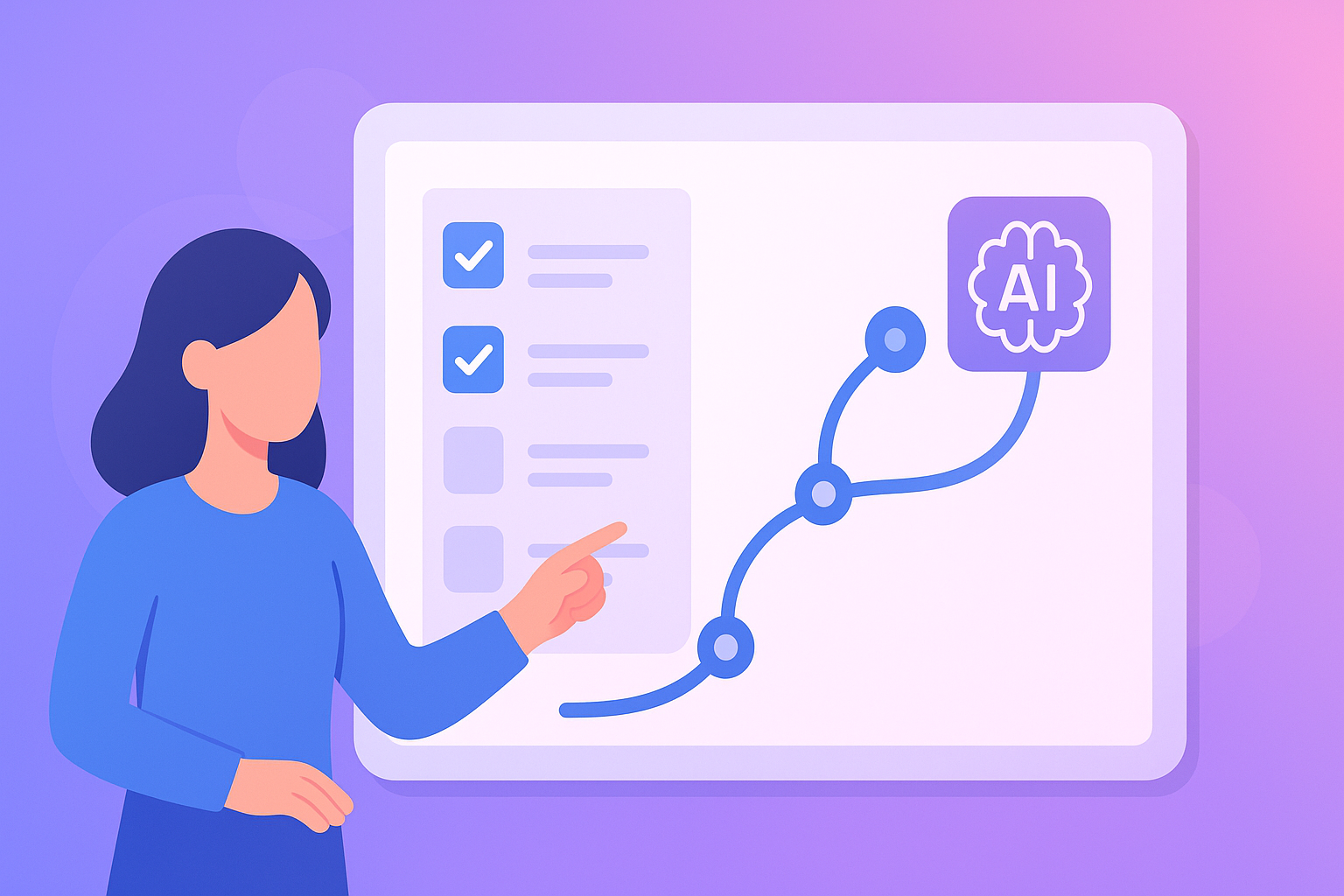
Typically, this process involves:
- Capturing a live image or video during verification
- Comparing it against a reference image
- Generating a verification result with confidence and similarity scores
- Recording a timestamped verification event
This approach ensures that verification is tied to a real-time interaction, rather than something that could have been prepared or manipulated in advance. It shifts the focus from identity claims to evidence of human presence.
Why Public Proof Records Matter
Verification alone is not enough if it cannot be easily shared or trusted by others. This is where the concept of a public proof record becomes important. Instead of repeatedly proving identity in isolated systems, individuals can present a consistent record that demonstrates a verified event took place.
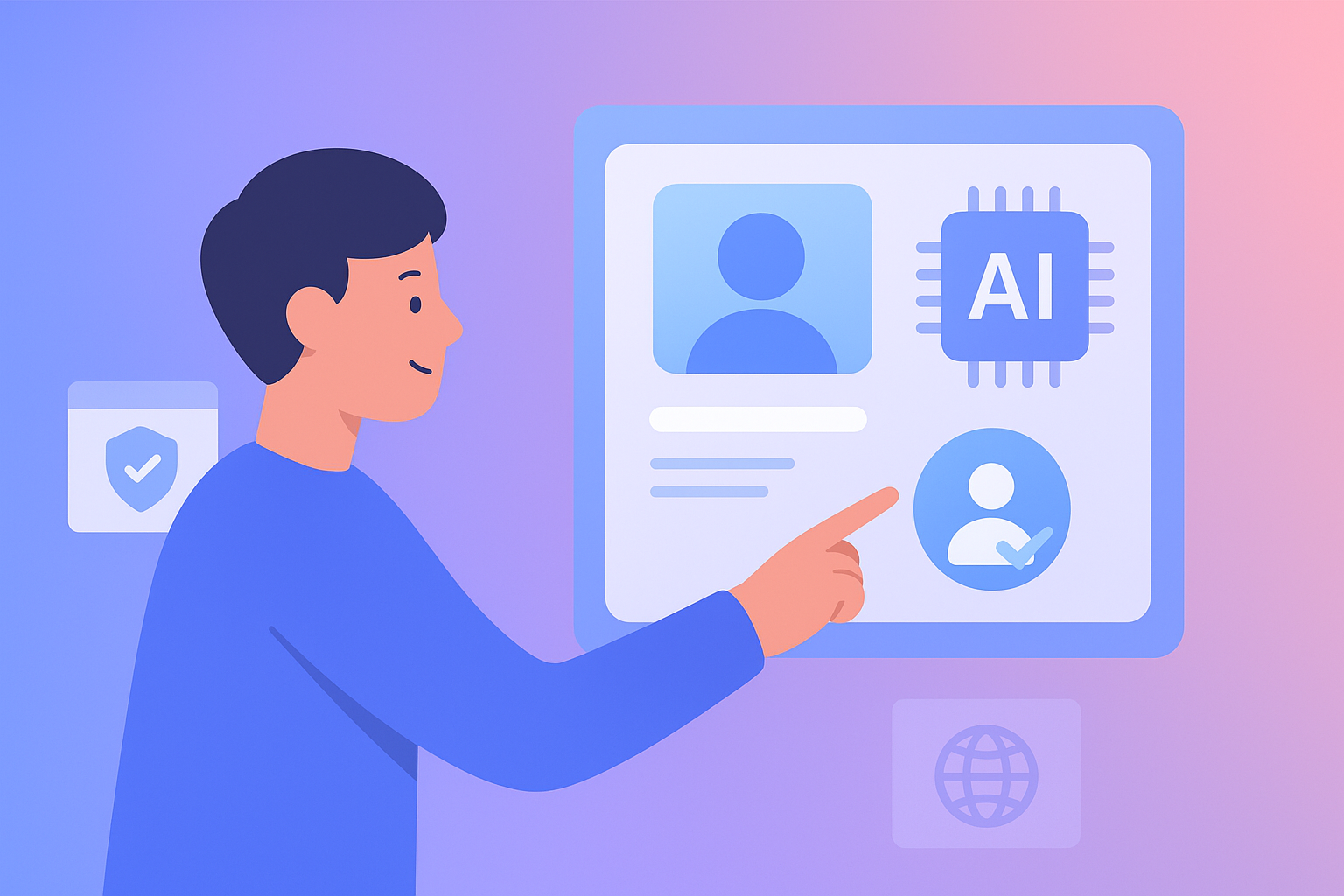
A public verification page typically includes:
- A unique verification ID
- A timestamp of the verification event
- Verification results such as confidence and similarity
- An optional visual reference such as a thumbnail
This model allows others to independently view and assess the verification without needing access to sensitive personal data. It strengthens transparency and digital trust without compromising privacy.
The Role of Privacy in Identity Verification
One of the main concerns surrounding biometric systems is how data is stored and used. Many solutions rely on building databases of sensitive biometric information, which introduces long-term privacy risks.
Privacy-focused systems take a different approach by:
- Deleting full images after verification
- Storing only hashed references and thumbnails
- Avoiding biometric templates or indexing
This ensures that verification provides proof without permanent data retention. Users gain the benefits of identity verification while reducing the risks associated with storing sensitive biometric information.
To better understand these evolving risks, revisit how synthetic media impacts trust online and why privacy-first verification models are becoming more important.
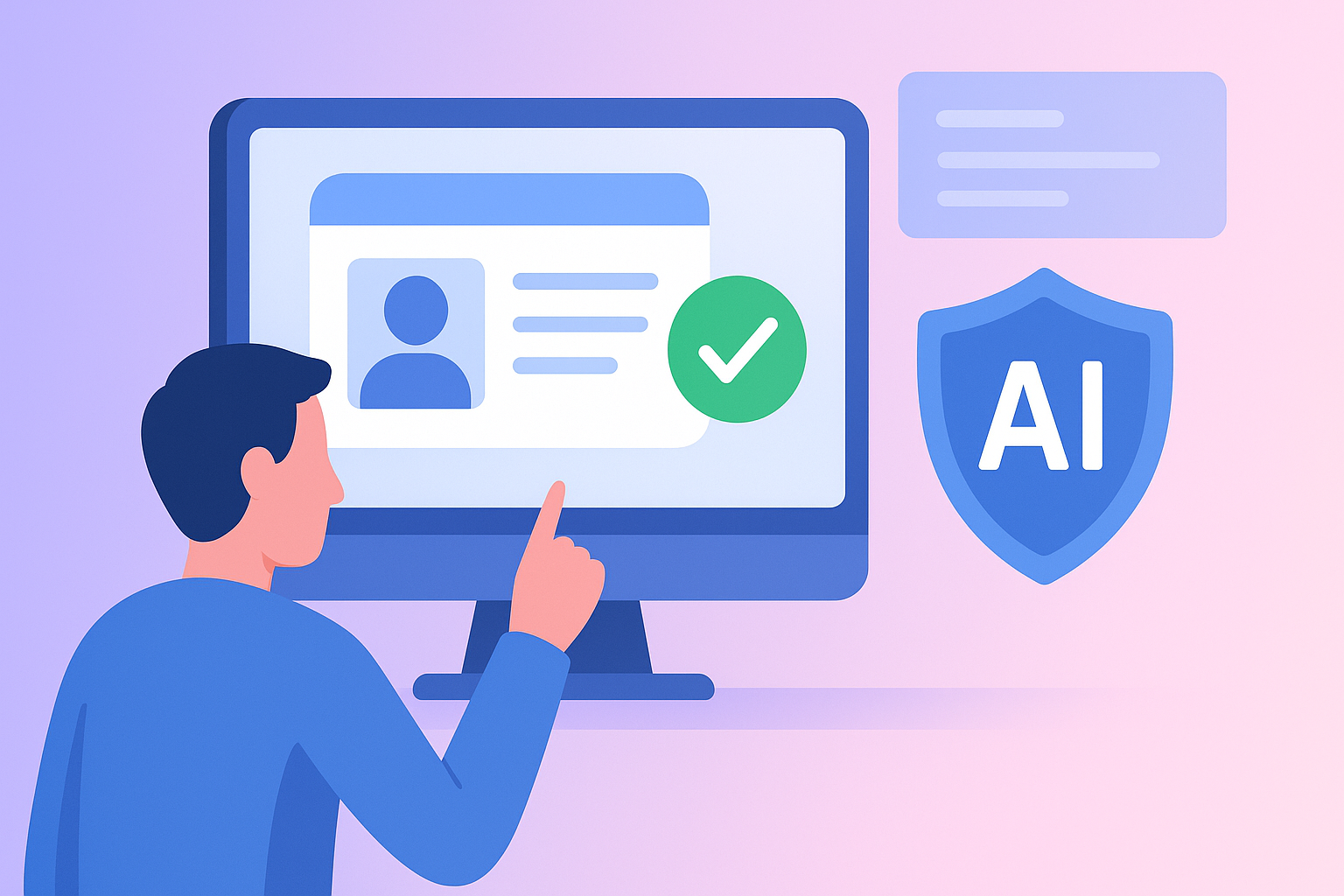
PRVEN’s Approach to Identity Verification
PRVEN introduces a streamlined way to address these challenges by focusing on verification events rather than identity claims. Instead of attempting to define who a person is, PRVEN records that a real human successfully completed a biometric liveness verification at a specific moment.
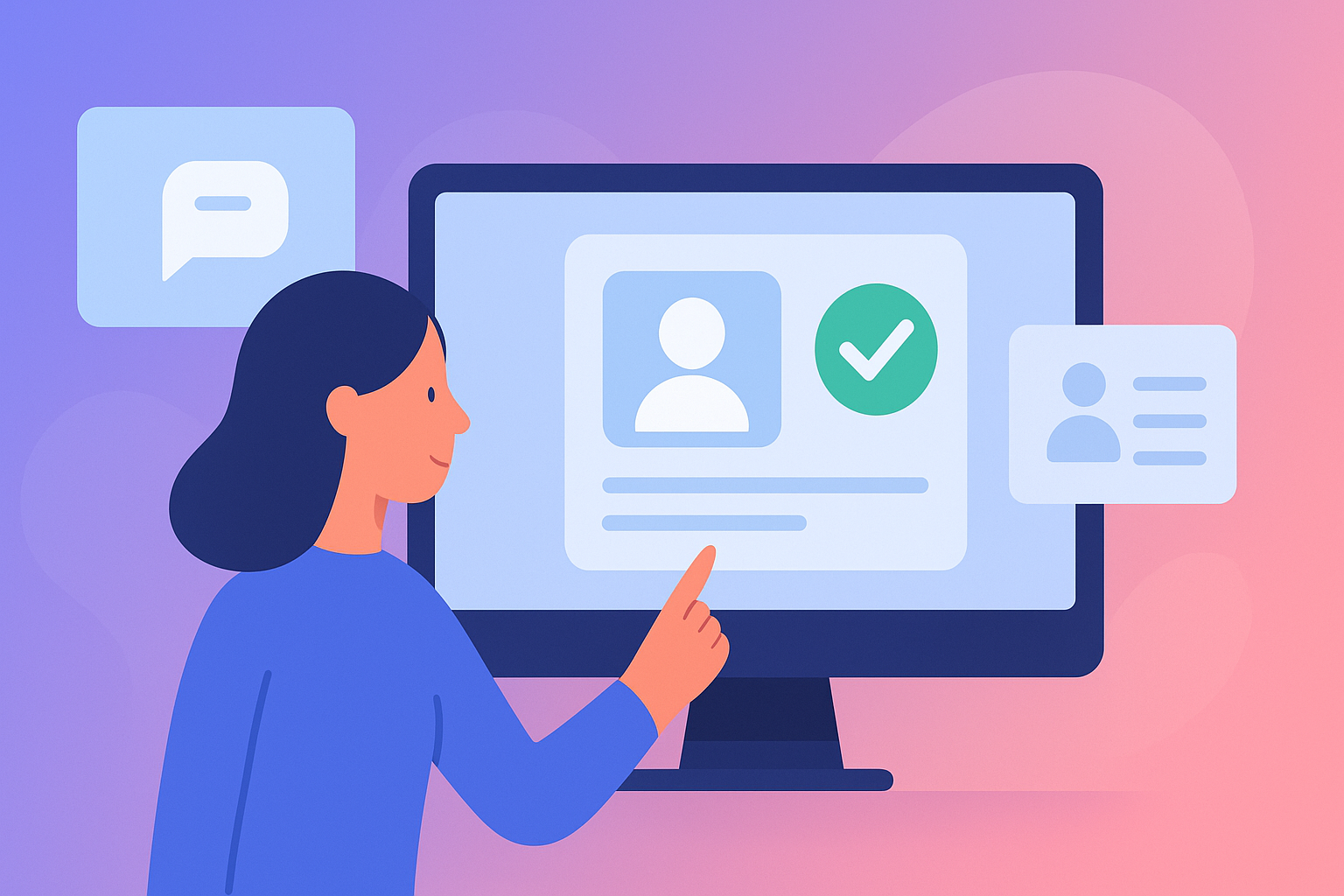
Users complete a simple process: upload a reference image, perform a live verification, and receive a timestamped public proof record. This record can then be shared wherever credibility matters—social profiles, professional platforms, or personal websites.
Importantly, PRVEN does not store full biometric data or maintain a centralised database of faces. It focuses on privacy, simplicity, and verifiable proof, helping reduce ambiguity without overreaching into identity guarantees.
If you want to explore how this works in practice, you can visit PRVEN and see how verification records are created and shared.
Key Benefits of Identity Verification in a Digital World
As online interactions continue to grow, identity verification provides several important advantages:
- Reduces impersonation by proving human presence
- Builds trust between creators, professionals, and audiences
- Improves transparency through public proof records
- Supports privacy by avoiding long-term biometric storage
These benefits are especially relevant for individuals building a public presence, where credibility directly impacts reputation and opportunity.
For further context, the challenges outlined in synthetic media risk analysis highlight why these safeguards are no longer optional but necessary.
Conclusion: Building Trust Through Verifiable Presence
The internet is no longer a space where visual content alone can be trusted. As AI-generated media becomes more sophisticated, the need for clear, verifiable proof of human presence will continue to grow.
Identity verification is evolving to meet this challenge, shifting away from static credentials and towards dynamic, privacy-conscious verification events. Platforms like PRVEN demonstrate how this can be achieved without compromising user data, offering a practical way to strengthen digital trust.
Ultimately, the future of online identity will depend on systems that are both trustworthy and respectful of privacy—providing clarity without creating new risks.
Verify Your Identity with PRVEN
As fraud, impersonation, and AI-generated misuse become more common online, proving that you are real is becoming increasingly important. PRVEN helps you create a trusted verification record that others can rely on.