
It no longer takes sophisticated hacking to impersonate someone online; a convincing image, a cloned voice, or a fabricated profile can be enough. This growing uncertainty has made identity verification a critical part of how trust is established in digital spaces.
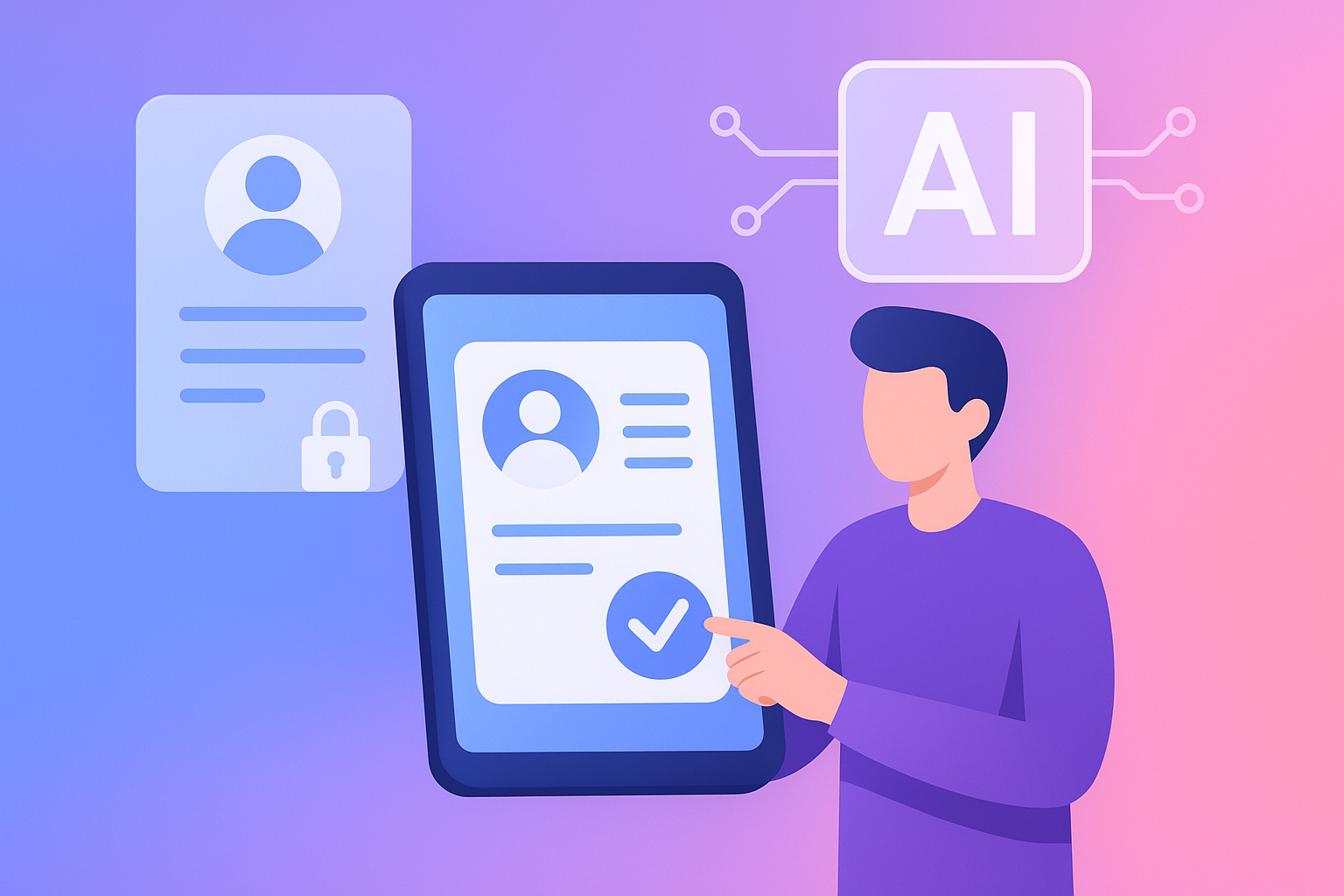
Understanding Digital Identity
In an era where online interactions dominate, the risk of identity theft and fraud has escalated dramatically. Digital identity refers to the collection of information that represents an individual online, from login credentials to visual likeness. As this identity becomes more valuable, protecting it becomes essential.
However, the challenge is not just protecting information, but proving authenticity. With AI-generated content and impersonation becoming more accessible, simply having an online presence is no longer enough. Proving you are a real human at a specific moment in time is becoming a fundamental layer of trust.
Why Identity Verification Matters More Than Ever
The internet was built on openness, not certainty. Today, that lack of certainty creates a major vulnerability. From fake social media profiles to fraudulent business communications, the inability to distinguish between real and synthetic identities is a growing problem.
This is where biometric identity verification plays a crucial role. By confirming that a real person was present during a verification event, platforms can reduce ambiguity and build stronger digital trust. This is especially important for professionals, creators, and public figures whose credibility is directly tied to their online identity.
To understand practical ways people are protecting themselves from manipulation and deception, explore effective strategies to stop deepfake videos and how verification contributes to a safer digital environment.
How Identity Verification Prevents Fraud
Fraud often relies on one key weakness: uncertainty. When systems cannot confidently determine whether a person is genuine, bad actors exploit that gap. Identity verification reduces this uncertainty by introducing a measurable proof that a real human interaction occurred.
Modern verification methods, particularly biometric liveness checks, ensure that the person being verified is physically present rather than using static images or pre-recorded footage. This makes impersonation significantly harder and raises the baseline level of trust across platforms.
Effective identity verification helps:
- Reduce impersonation and fake profiles
- Protect professional and personal reputations
- Strengthen trust between individuals and audiences
The Shift Towards Verifiable Human Presence
Traditional verification focused on credentials such as passwords or documents. While still useful, these methods do not confirm who is actually behind a screen at a given time. Increasingly, the focus is shifting towards verifiable human presence.
This shift reflects a broader need: not just to identify users, but to prove that they are real and present during a specific interaction. In environments where content can be generated synthetically, this distinction becomes essential.
Rather than storing sensitive biometric data, privacy-focused approaches now prioritise recording the outcome of a verification event. This creates a balance between security and data minimisation, allowing users to demonstrate authenticity without exposing personal information.
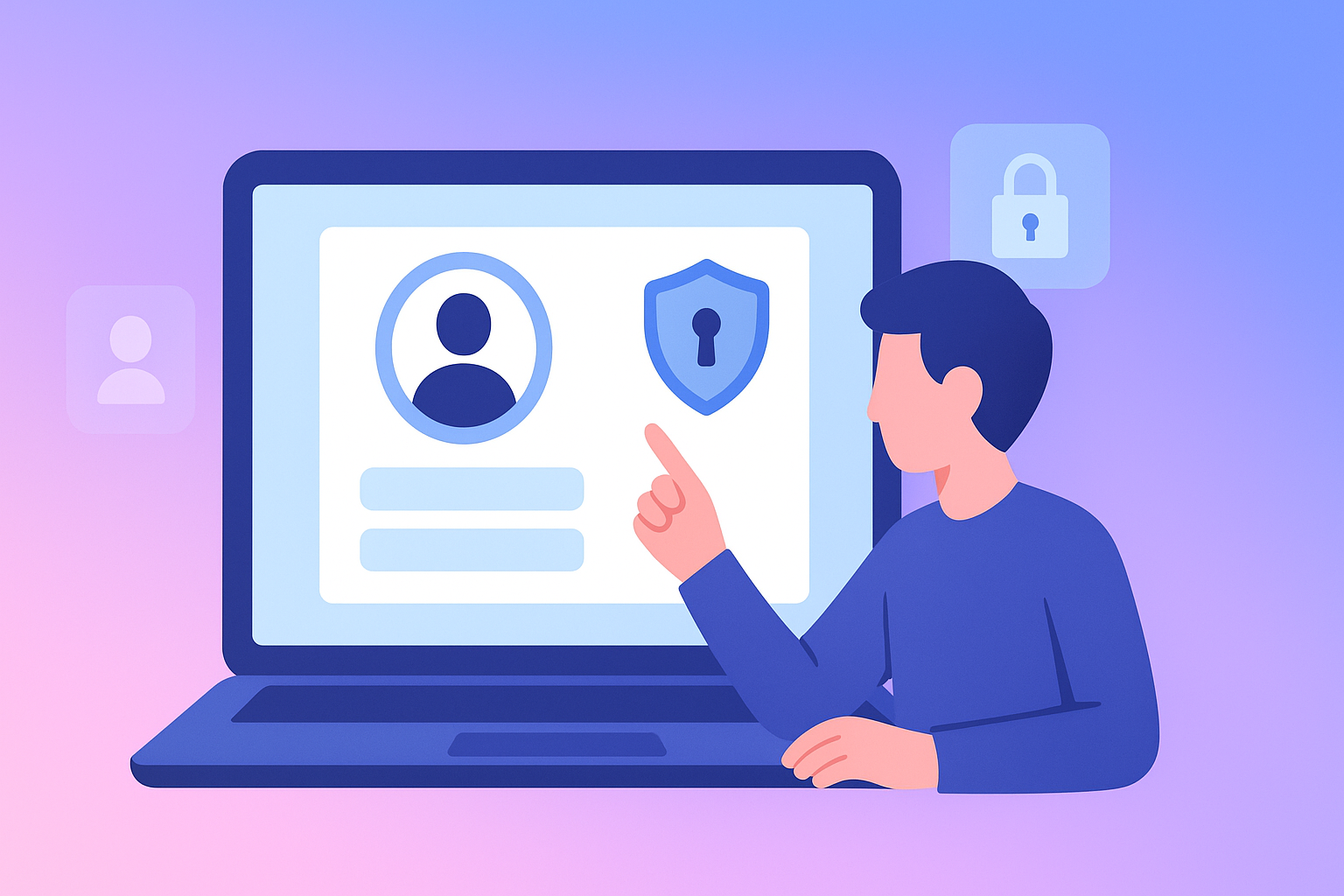
PRVEN’s Approach to Identity Verification
PRVEN introduces a different model for digital identity verification, centred on proving that a biometric verification event took place without storing biometric data. Instead of building a database of faces or tracking users, it creates a public proof record that confirms a real human was present during verification.
Users complete a biometric liveness check and generate a verification record that includes key details such as timestamp, verification outcome, and confidence indicators. This record is then made accessible through a public page, allowing others to independently view proof that the event occurred.
Importantly, PRVEN does not claim to guarantee identity or behaviour. Its role is to provide a clear, verifiable signal that reduces uncertainty. By focusing on transparency and privacy, it offers a practical way to establish credibility online.
You can explore the verification process directly at PRVEN, where users create and manage their own verification records.
Balancing Privacy and Trust
One of the main concerns around biometric verification is how data is handled. Systems that store full images or biometric templates introduce risks if data is misused or breached. A modern approach prioritises data minimisation and privacy protection.
PRVEN reflects this shift by avoiding long-term storage of biometric data. Full images are deleted after verification, and only minimal elements such as hashes and small thumbnails are retained. This ensures that users maintain control over their identity while still benefiting from verifiable proof.
This design demonstrates that trust and privacy are not mutually exclusive. By limiting data retention and focusing on outcomes rather than raw data, verification systems can offer both security and peace of mind.
The Future of Online Trust
The internet is entering a phase where authenticity must be demonstrated, not assumed. As synthetic media becomes more convincing, systems that provide clear, shareable proof of human presence will play an increasingly important role.
Identity verification is no longer just about access control; it is about credibility. Whether someone is building a public profile, engaging with an audience, or conducting business online, the ability to show proof of authenticity will become a standard expectation.
Solutions like PRVEN highlight a meaningful direction forward: simple, privacy-conscious verification that creates publicly accessible proof without unnecessary complexity. This approach helps reduce ambiguity without overstepping into surveillance or data overreach.
Conclusion: Strengthening Digital Identity Through Verification
The rise of AI and digital impersonation has exposed a fundamental gap in how trust works online. Without reliable ways to confirm human authenticity, uncertainty will continue to affect individuals and organisations alike.
Identity verification fills this gap by providing evidence that a real person was present during an interaction. By focusing on verification events rather than stored identities, platforms can offer a more secure and privacy-aware solution.
As digital identity continues to evolve, the ability to prove you are real will become a defining part of online trust. Systems that prioritise clarity, transparency, and privacy will shape the next generation of secure online interactions.
Verify Your Identity with PRVEN
As fraud, impersonation, and AI-generated misuse become more common online, proving that you are real is becoming increasingly important. PRVEN helps you create a trusted verification record that others can rely on.