
Deepfake scams are no longer fringe threats; they are now a practical tool for impersonation, fraud, and manipulation. As synthetic video becomes more convincing, the ability to distinguish between real and fake people online is under pressure.
The challenge is no longer just spotting fakes—it is proving that someone is genuinely real in the first place.
Understanding Deepfake Videos
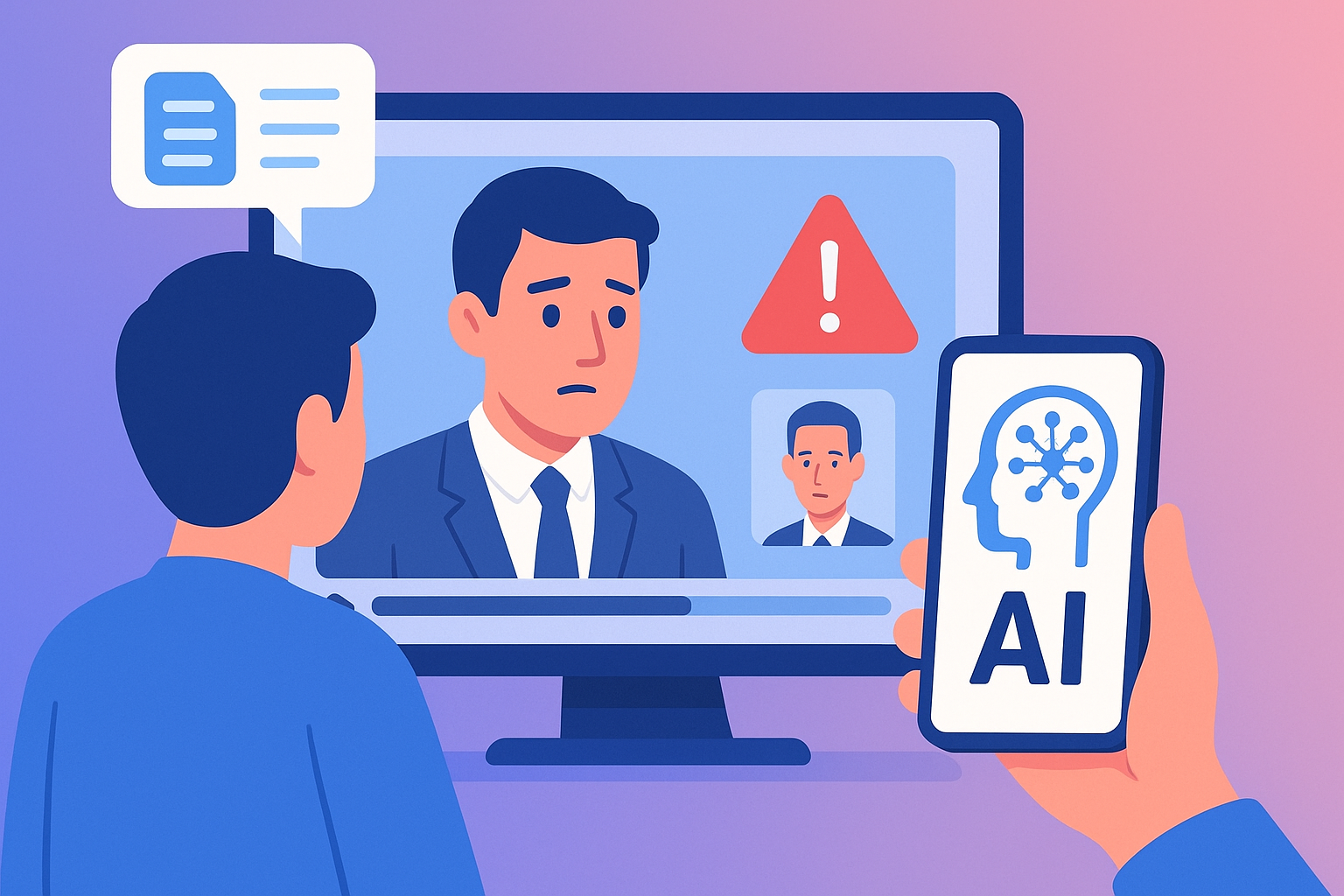
Deepfake videos are AI-generated or AI-manipulated media designed to imitate real people. Using machine learning techniques, these videos can replicate facial movements, voices, and expressions with alarming accuracy. What started as experimental technology has quickly evolved into a widely accessible tool.
This accessibility has lowered the barrier for misuse. Today, deepfakes are used in scams that target businesses, individuals, and public figures. Fraudsters can pose as executives requesting urgent payments, impersonate influencers, or create misleading content designed to damage reputations.
The core issue is trust. In a digital environment where visuals were once considered reliable, video is no longer definitive proof of authenticity.
Why Deepfake Scams Are Increasing
The rise in deepfake scams is closely tied to improvements in AI tools and the growing value of online identity. High-quality synthetic media can now be created with minimal technical expertise, making it easier for malicious actors to operate at scale.
Several factors are driving this increase:
- Wider access to AI tools that can generate realistic video and audio
- Abundance of public content available for training deepfake models
- Increased digital interaction, where identity verification is often weak or absent
- Financial incentives linked to fraud, impersonation, and social engineering attacks
As outlined in understanding AI and digital identity risks, the combination of AI capability and poor identity assurance is creating new vulnerabilities online.
How Deepfake Scams Work in Practice
Deepfake scams typically rely on deception combined with urgency. The goal is to convince the target that the interaction is genuine before they have time to question it.
Common examples include:
- Executive impersonation in video calls requesting financial transfers
- Influencer scams promoting fraudulent investment schemes
- Romance scams using AI-generated personas to build trust
- Fake endorsements featuring fabricated videos of public figures
In each case, the attacker relies on one key weakness: there is no reliable way for the recipient to confirm that the person they are seeing is actually present and real at that moment.
The Limits of Detection Alone
Many solutions focus on detecting deepfakes, but detection is not always reliable. As AI improves, deepfakes become harder to identify, even with advanced tools.
Detection also happens after the fact. By the time a video is flagged as suspicious, harm may already have occurred. Financial losses, reputational damage, or misinformation can spread rapidly before detection systems intervene.
This is why a growing number of experts are shifting focus from detection to verification—specifically, proving that a real human was present during an interaction.
How Identity Verification Helps Prevent Impersonation
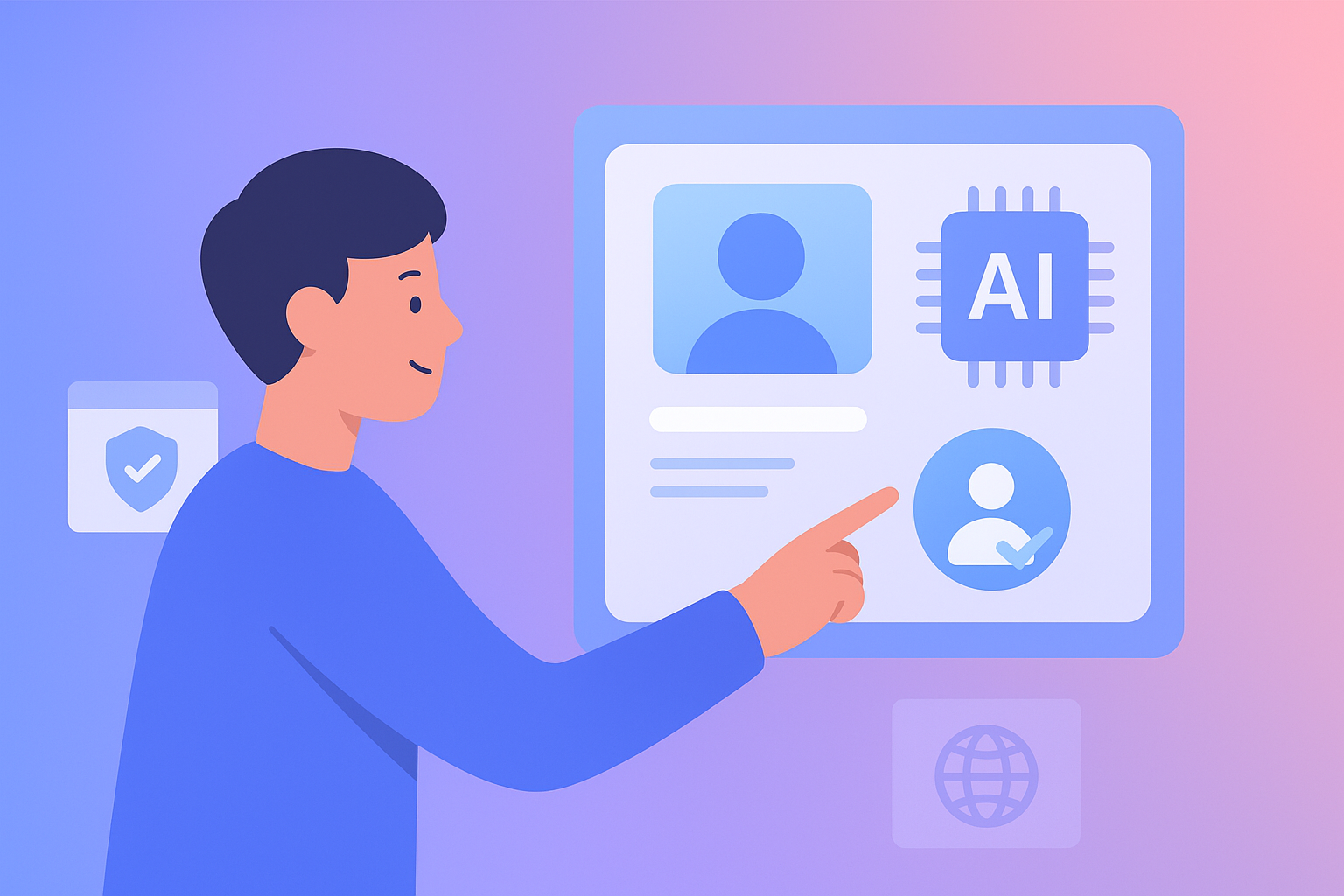
Identity verification introduces a different approach to trust. Instead of trying to identify what is fake, it focuses on establishing what is real. By confirming that a person has completed a biometric liveness check, platforms and individuals can reduce uncertainty.
This is where PRVEN plays a specific role. Through biometric liveness verification, PRVEN records a verification event showing that a real human was present at a specific moment in time. It then creates a public proof record that can be shared and referenced.
Importantly, PRVEN does this without storing biometric data or maintaining a centralised identity database. The result is a privacy-conscious way to demonstrate authenticity online.
To explore how this works in practice, you can visit https://identity.prven.org.
What Verification Provides
A verification record does not claim to prove identity in an absolute sense. Instead, it provides:
- Evidence that a real human completed a verification event
- A timestamped record that can be publicly accessed
- Consistency in how authenticity is demonstrated across platforms
This distinction is essential. PRVEN does not guarantee behaviour or legitimacy—it reduces uncertainty by adding a verifiable signal of human presence.
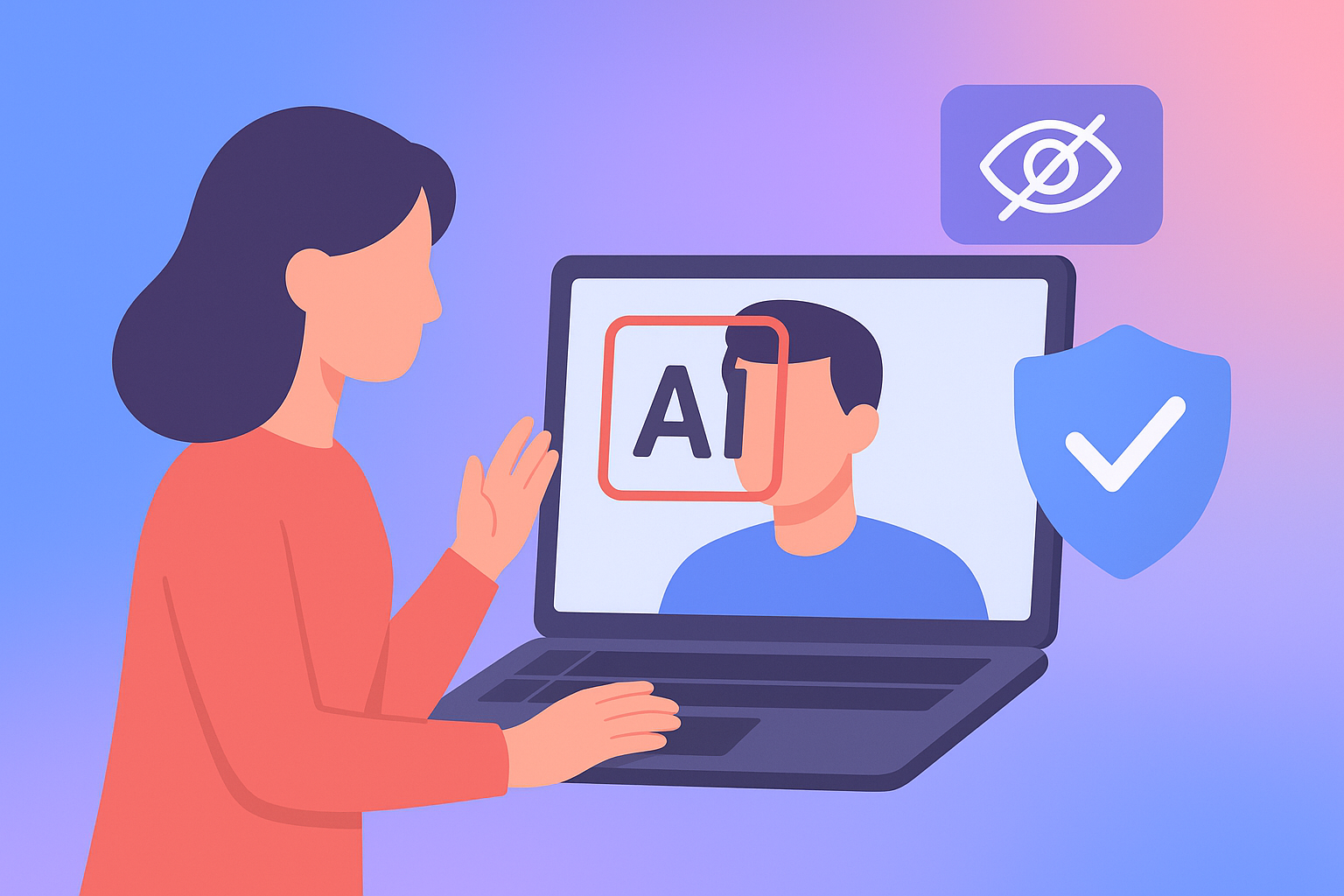
Practical Steps to Protect Yourself from Deepfake Scams
While technology continues to evolve, there are practical steps individuals and organisations can take to reduce risk. The goal is to combine awareness with stronger verification practices.
- Be cautious of urgent requests involving money or sensitive information
- Verify identities through independent channels before acting
- Look for verification records or proof of real human presence
- Limit public exposure of sensitive media where possible
- Stay informed about evolving deepfake techniques
Incorporating identity verification into your workflow adds an additional layer of defence. Instead of relying solely on perception, you are grounding trust in evidence-based verification.
The Future of Digital Trust
The internet is shifting towards a model where trust must be explicitly demonstrated rather than assumed. As AI-generated content becomes more common, the need for clear, verifiable proof of authenticity will only grow.
Verification systems like PRVEN represent an early step in this direction. By creating a standardised way to show that a real human was present during a verification event, they help restore a degree of trust in digital interactions.
This does not eliminate deepfake risks entirely, but it introduces a reliable signal that can be checked and shared. Over time, such signals may become a normal part of how people present themselves online.
Conclusion: Moving Beyond Visual Trust
Deepfake scams highlight a fundamental shift in the digital landscape: seeing is no longer believing. As synthetic media becomes more convincing, relying on visual cues alone is increasingly risky.
The solution is not to abandon trust, but to reinforce it with better tools. Verification records, biometric liveness checks, and public proof systems offer a more resilient way to confirm authenticity.
By combining awareness with verification, individuals and organisations can adapt to this new environment—reducing the impact of deepfake scams while maintaining confidence in online interactions.
Verify Your Identity with PRVEN
As fraud, impersonation, and AI-generated misuse become more common online, proving that you are real is becoming increasingly important. PRVEN helps you create a trusted verification record that others can rely on.