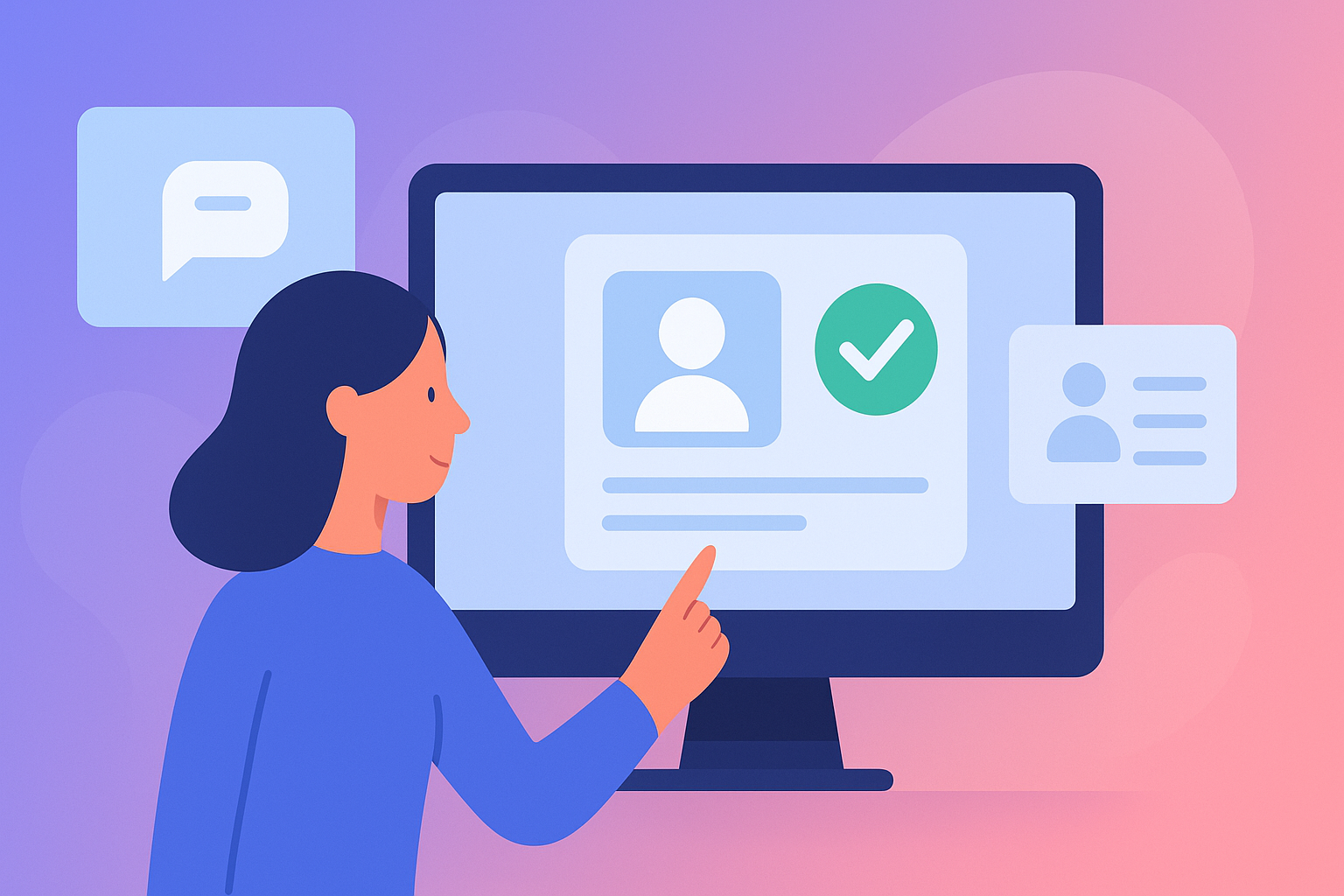

Trust online is eroding as AI-generated personas and impersonation tactics become harder to detect. Knowing whether you’re interacting with a real person is no longer obvious. This is where AI identity verification plays a critical role in restoring clarity and confidence.
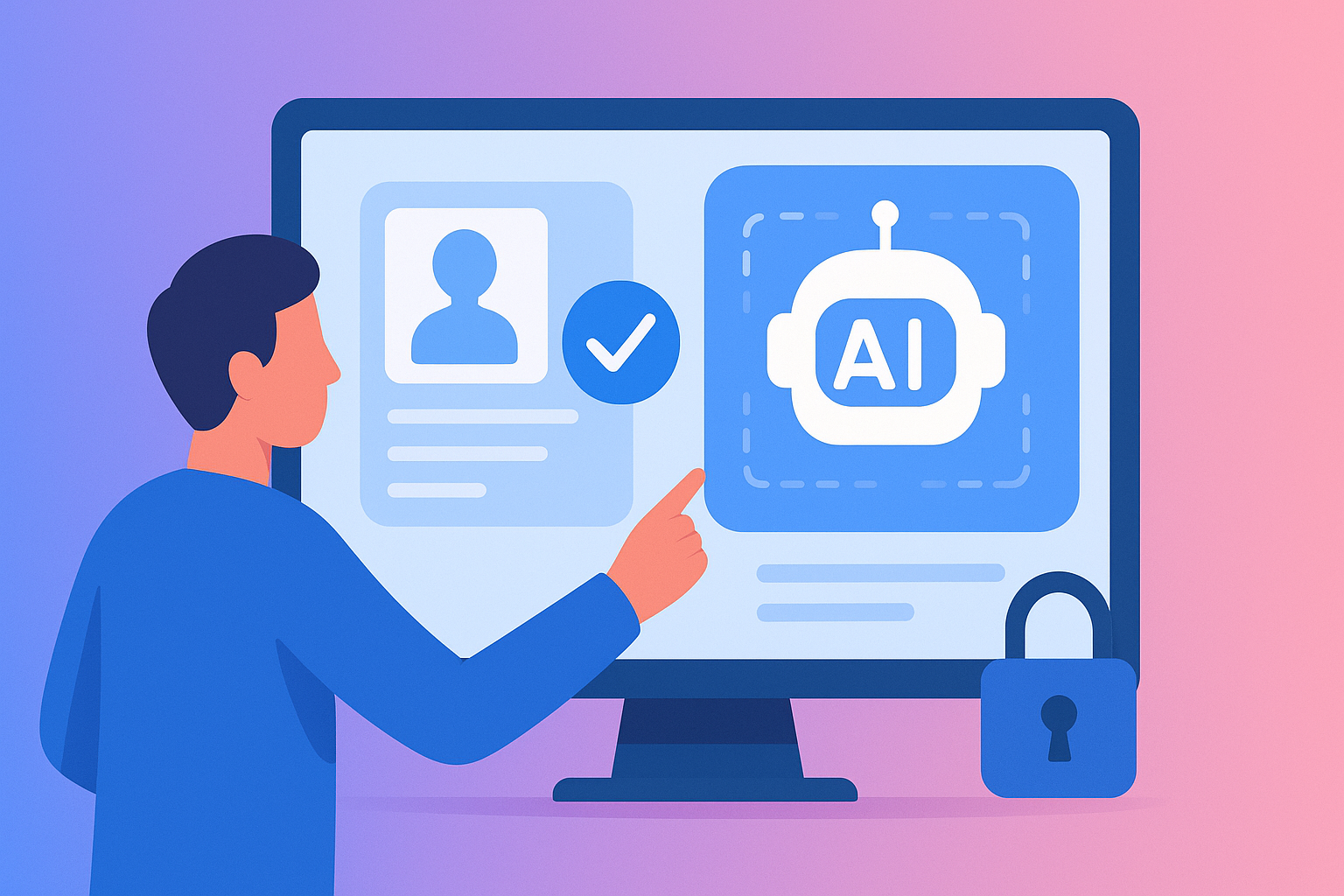
From social media to professional platforms, individuals are increasingly vulnerable to deception. Biometric verification and proof-based identity systems offer a way to demonstrate that a real human was present at a specific moment—without exposing sensitive personal data.
Understanding how AI identity verification works—and what it can and cannot do—is essential for navigating today’s digital landscape with confidence.
What Is AI Identity Verification?
AI identity verification refers to the use of artificial intelligence to confirm that a person is real and physically present during a verification event. Unlike traditional systems that rely on static documents or passwords, modern approaches incorporate biometric liveness verification to ensure authenticity.
Instead of simply matching a face to a stored database, systems like PRVEN focus on recording a verification event. This creates a timestamped proof that a real human completed the verification process, without storing biometric data long-term.
This shift is significant. It moves identity verification away from surveillance-style models and towards privacy-focused proof systems designed for openness and trust.
Why Online Identity Trust Is Breaking Down
The rise of generative AI has introduced new challenges. Fake profiles, deepfake videos, and synthetic voices can now convincingly mimic real individuals. This has made digital trust increasingly fragile.
In many cases, users have no reliable way to distinguish between genuine and fabricated identities. This uncertainty fuels scams, reputational harm, and manipulation.
For a deeper look at how impersonation is impacting real people, see real-world AI impersonation scam examples.
These risks highlight the need for systems that can provide clear, verifiable proof of human presence—without introducing new privacy concerns.
How Biometric Verification Builds Trust
Biometric liveness verification works by capturing a live interaction—typically through a camera—to confirm that a real person is present. This process helps prevent the use of static images or pre-recorded media.
PRVEN uses this approach to generate a public proof record. Instead of storing full biometric data, it records a verification event that includes:
- A unique verification ID
- A timestamp
- A confidence and similarity score
- A hashed reference image
This allows individuals to prove they completed a verification without exposing sensitive personal information. The result is a balanced model of trust and privacy.
You can explore how this works in practice at https://identity.prven.org.
Verification Events vs Identity Claims
One of the most important distinctions in identity verification is the difference between proving a moment and guaranteeing identity.
PRVEN does not claim to confirm who someone is in a legal or absolute sense. Instead, it provides evidence that a real person passed a biometric check at a specific time. This is known as a verification event.
This approach avoids overpromising while still delivering meaningful value. It gives audiences a way to interpret authenticity signals without relying on blind trust.
Understanding this nuance is key, especially when evaluating platforms that claim to eliminate fraud entirely—which is often unrealistic.
Practical Benefits of AI Identity Verification
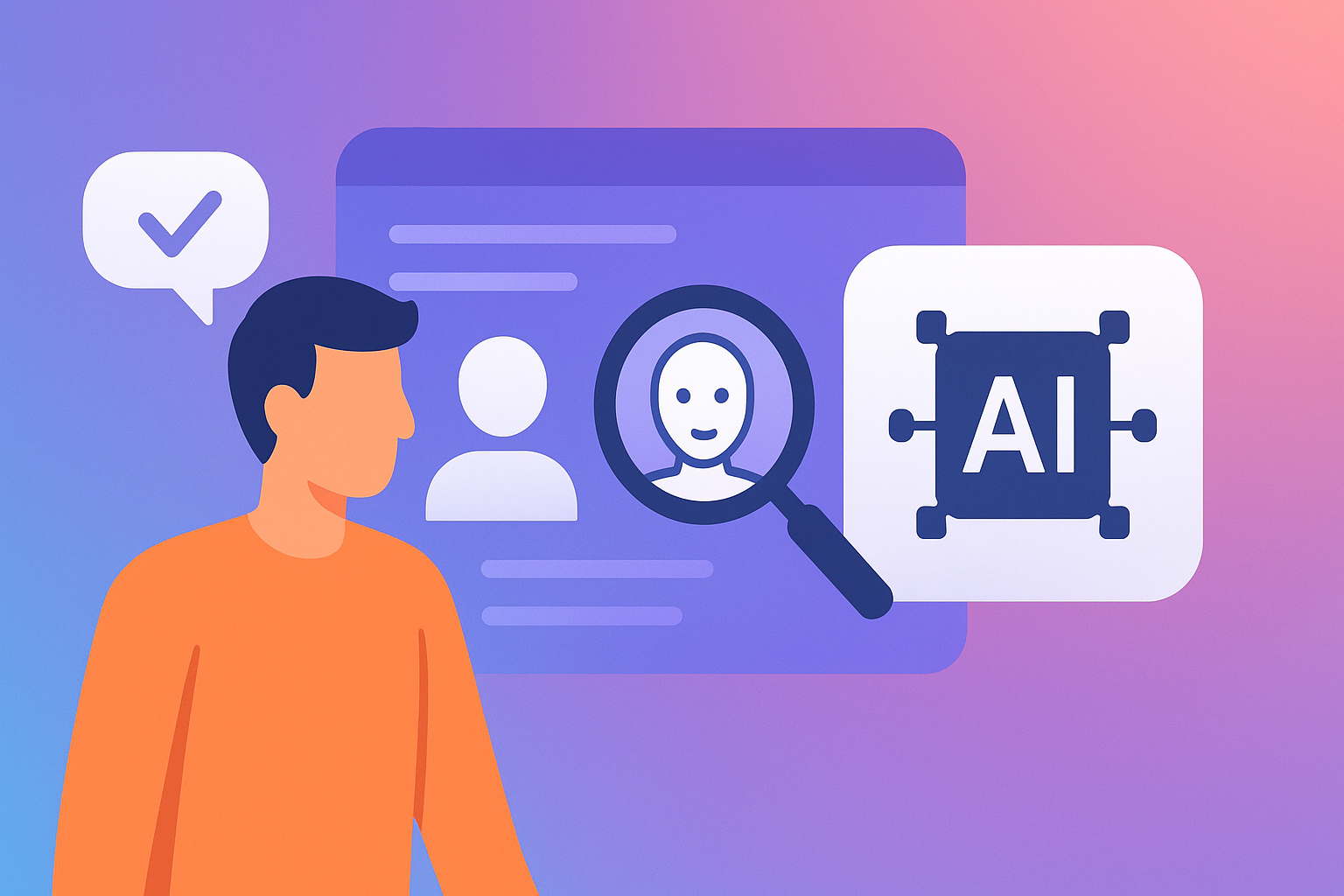
AI identity verification offers several practical advantages for individuals building an online presence. Rather than relying solely on reputation, users can support their identity with a visible and verifiable proof record.
- Improves credibility across platforms
- Reduces impersonation risk
- Provides a consistent proof of authenticity
- Supports audience trust without oversharing data
For creators, professionals, and public figures, this can be especially valuable. A public verification page helps audiences quickly understand that a real human was present during verification.
To better understand the risks this helps address, revisit examples of AI-driven impersonation scams and how easily trust can be exploited.
Privacy-First Identity Verification
Many people hesitate to adopt biometric systems due to privacy concerns. This is where PRVEN’s model stands apart through minimal data retention.
Full images are deleted after verification, and only a hash and small thumbnail are stored. There is no biometric database, no face indexing, and no long-term tracking.
This ensures that users can benefit from identity verification without sacrificing control over their data.
The result is a system designed for transparency and trust, rather than surveillance.
The Role of Public Proof in Digital Identity
A key innovation in platforms like PRVEN is the concept of a public verification page. This page acts as a shareable record that confirms a verification event occurred.
It includes essential details such as timestamp, verification status, and confidence scores. This allows others to independently assess the credibility of the verification.
Unlike closed systems, this approach promotes open verification and user-controlled visibility. It gives individuals a tool to proactively demonstrate authenticity in an uncertain digital environment.
For additional context, you can revisit how impersonation operates in real scenarios.
Conclusion: A Practical Path to Online Trust
As AI continues to blur the line between real and synthetic, proving human presence becomes increasingly important. AI identity verification offers a practical way to reduce uncertainty without creating new risks.
PRVEN focuses on what matters: recording a biometric verification event and providing a clear, timestamped proof record. It does not attempt to solve everything—but it addresses a critical gap in digital trust.
This approach aligns with how identity is evolving online: not as a fixed claim, but as something that can be verified, shared, and understood in context.
Verify Your Identity with PRVEN
As fraud, impersonation, and AI-generated misuse become more common online, proving that you are real is becoming increasingly important. PRVEN helps you create a trusted verification record that others can rely on.