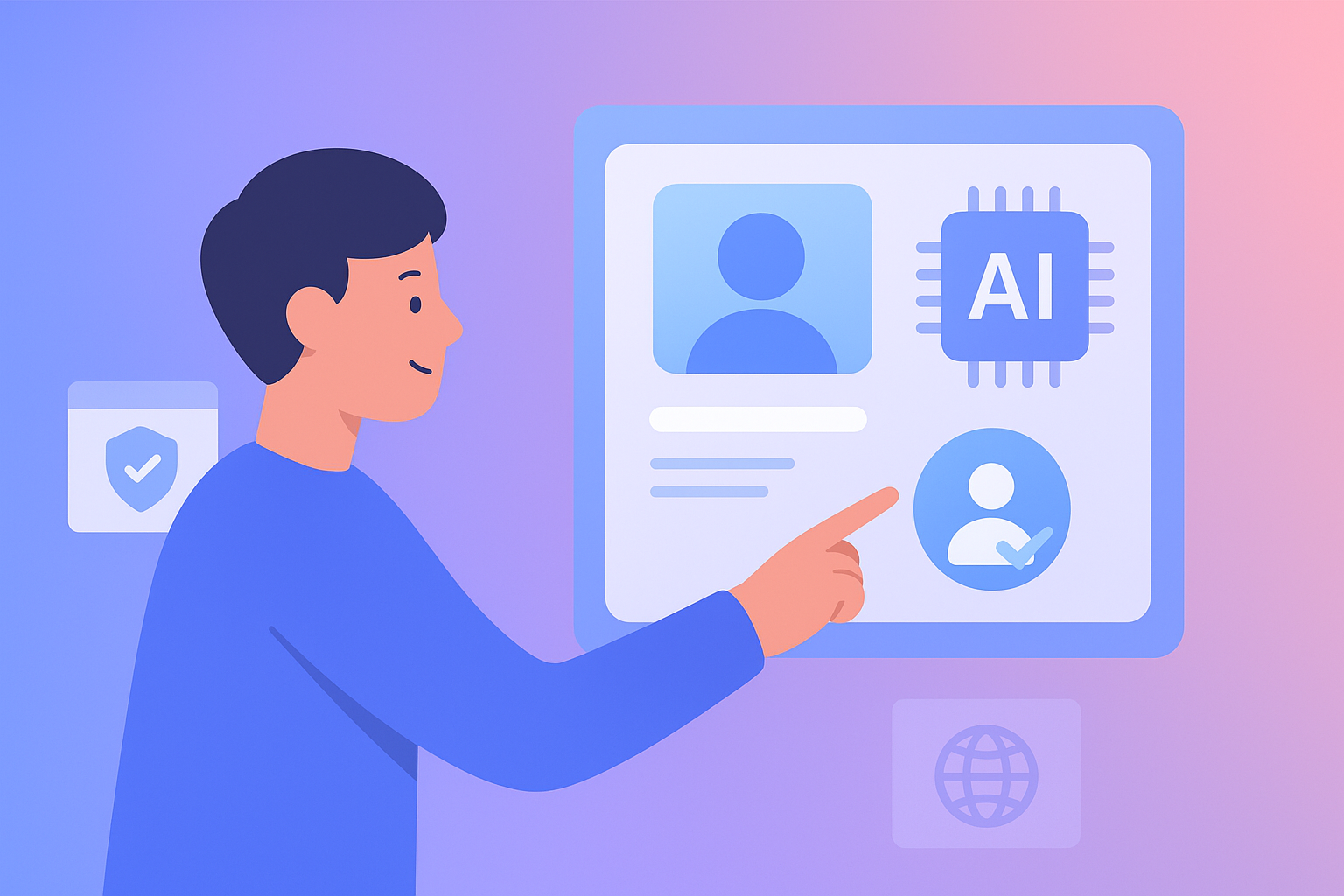

AI impersonation scams are becoming harder to detect and easier to execute. From realistic voice cloning to convincing deepfake video calls, it is no longer obvious whether you are interacting with a real person or a fabricated identity. This shift is forcing a fundamental change in how trust is established online.
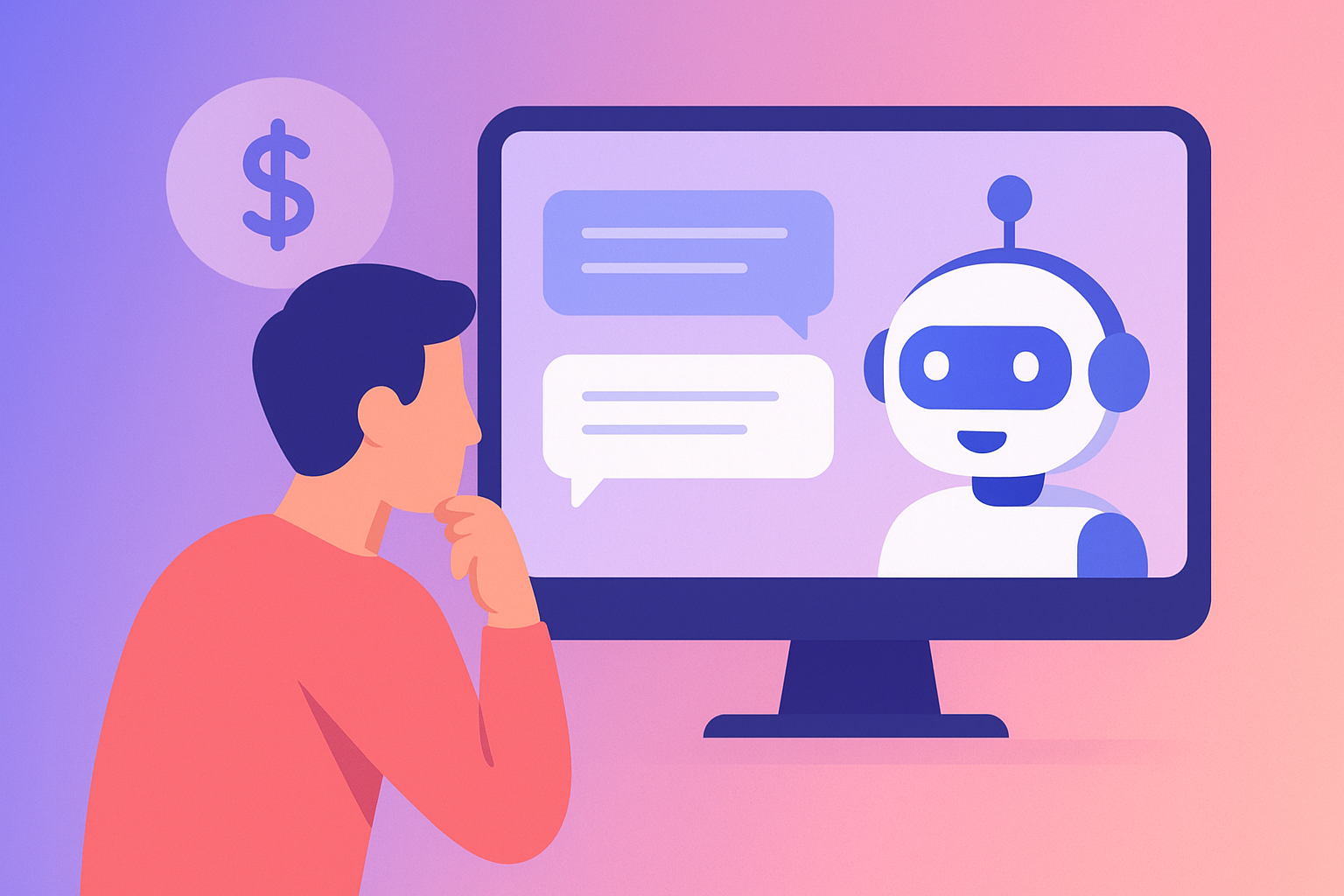
What Are AI Impersonation Scams and How Do They Work?
AI impersonation scams exploit advanced machine learning tools to replicate human faces, voices, and behaviours with surprising accuracy. These scams are designed to deceive quickly, often creating urgency so victims act before questioning authenticity.
At the core of AI impersonation scams is a breakdown in digital trust. In many cases, the impersonation is not immediately obvious, even to people who know the individual being mimicked. As synthetic media becomes more sophisticated, traditional signals like appearance, tone, or even familiarity are no longer reliable indicators of a real human presence. This creates an environment where anyone can be convincingly imitated.
For individuals and businesses alike, the result is the same: increased risk, reduced confidence, and a growing need for verifiable proof of identity that goes beyond surface-level signals.
Examples of AI Impersonation Scams in Practice
Real-world cases highlight how effective and damaging these scams have become. Attackers are no longer limited to crude attempts; they now use tools that generate highly believable interactions.
Common scenarios include:
Deepfake video calls where executives appear to authorise urgent financial transfers
AI-generated voice messages that mimic family members requesting immediate help
Fake social media profiles built using synthetic images and believable activity patterns
Impersonated professionals contacting clients with altered payment or account details
In each case, the scam succeeds because it appears authentic enough to bypass initial doubt. These are not random attacks; they are increasingly targeted, using available data to make interactions feel legitimate.
The challenge is no longer just detecting scams, but preventing them from succeeding before damage is done.
Why Traditional Trust Signals Are Failing
Historically, people relied on visual recognition, voice familiarity, or platform presence to assess identity. Today, those signals can be artificially recreated.
AI has disrupted the reliability of:
- Profile photos and videos
- Voice authenticity
- Social media activity patterns
- Email tone and writing style
Even live interactions are no longer immune. Real-time deepfake technology can simulate facial expressions and speech, removing what was once considered a strong verification method.
This is where a shift is required: from assuming authenticity to requiring proof. Instead of asking “Does this look real?”, the more important question becomes “Can this person prove they are real?”
This shift reflects a broader move towards proof-based identity systems rather than assumption-based trust.
How Identity Verification Reduces AI Impersonation Risk
Identity verification introduces a measurable signal of trust that cannot be easily faked or replicated. Rather than relying on appearance or behaviour, it confirms that a real person was present at a specific moment.
Modern approaches, such as biometric liveness verification, require users to complete a live interaction that demonstrates they are physically present. This creates a verification event that can be recorded and referenced later.
PRVEN applies this model by enabling individuals to generate a public proof record of a completed biometric liveness verification event, without storing biometric data long-term. The system compares a live capture to a reference image, then creates a timestamped verification record. This record includes details such as a verification ID, timestamp, and confidence indicators, providing a clear reference point for others.
This record can be shared publicly, allowing others to independently confirm that a real human was verified at a specific point in time. Importantly, it does not claim to guarantee identity or future behaviour; it simply provides clear evidence that a verification event occurred.
To explore how this works in practice, visit https://identity.prven.org.
The Importance of a Single Verified Identity
One of the most effective ways to reduce impersonation is limiting individuals to a single, consistent verification record. When multiple identities can be created without friction, scams become easier to execute.
A single verified identity strengthens credibility by providing a stable point of reference. Instead of relying on changing accounts or profiles, audiences can look for a consistent verification record linked to a real human presence.
This approach aligns with broader efforts to reduce confusion in digital identity systems. By removing ambiguity, it becomes easier to differentiate between genuine individuals and fabricated personas.
For a deeper look at this concept, see how limiting users to one verified identity improves trust and credibility.
One of the most effective ways to reduce impersonation is limiting individuals to a single, consistent verification record.
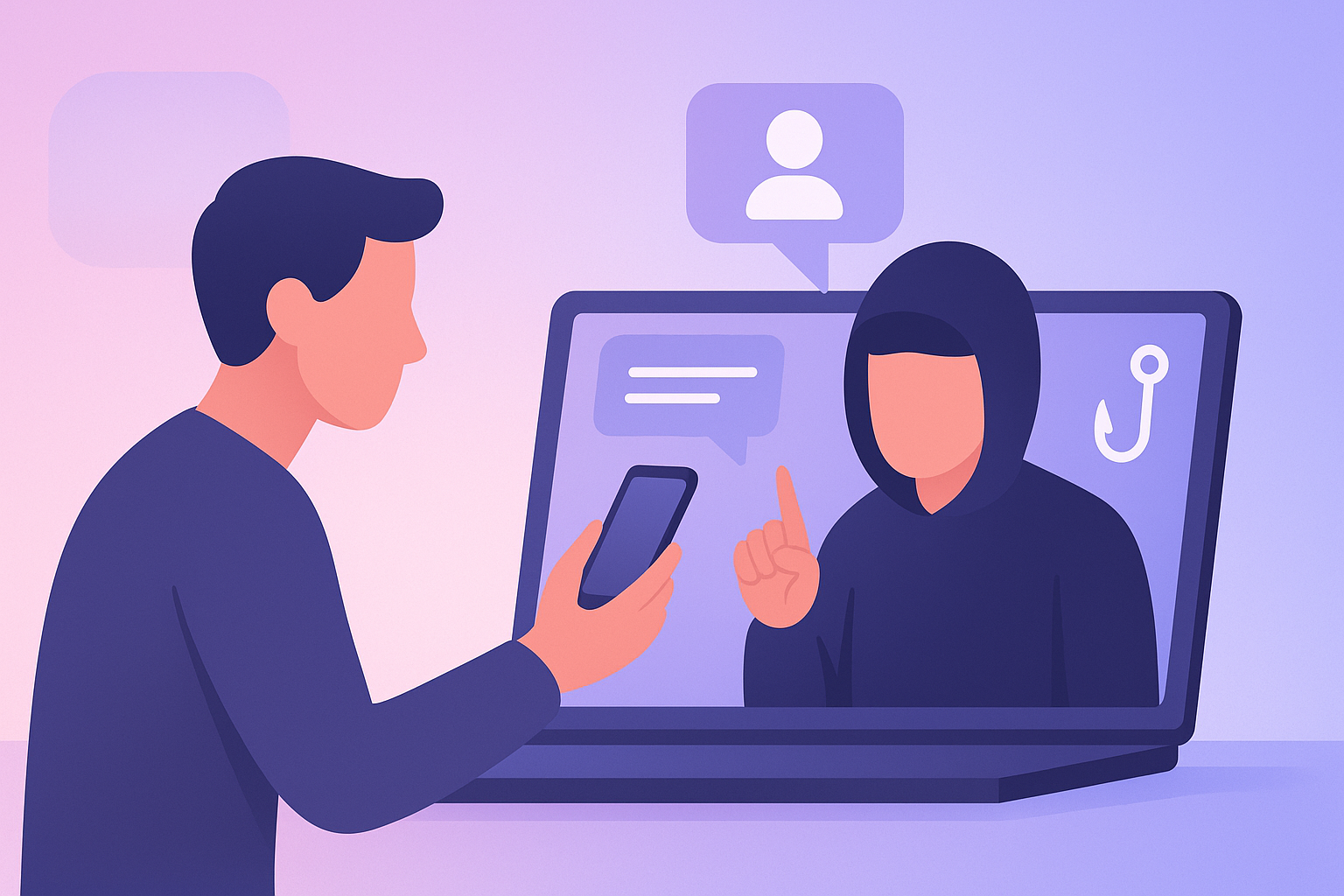
Many identity systems rely on storing sensitive data or building centralised databases. PRVEN takes a different approach by focusing on proof without retention. Rather than collecting more data, it focuses on proving a single moment of verified human presence.
Key characteristics include:
- Verify unexpected requests using a second, trusted communication channel
- Avoid responding to urgency without independent confirmation
- Look for verifiable proof rather than relying on visual or audio cues
- Limit sharing sensitive personal or financial information online
This privacy-focused design ensures that users can demonstrate authenticity without contributing to large-scale biometric storage systems. It also reduces the risk associated with data breaches or misuse.
The result is a balance between transparency and privacy, where proof exists but sensitive data does not remain exposed.
Practical Steps to Protect Yourself from Impersonation
While technology plays a key role, individuals also need to adapt their behaviour to reduce exposure to impersonation risks.
Simple protective measures include:
- Verify unexpected requests through a secondary channel
- Avoid acting on urgency without confirmation
- Look for a verifiable proof record rather than relying on appearance
- Be cautious with sharing personal or financial information
Most importantly, start recognising that seeing and hearing is no longer equivalent to believing. Verification needs to be intentional, not assumed.
Conclusion: Building Trust in a Post-AI World
AI impersonation scams will continue to evolve, becoming more convincing and accessible. As this happens, the gap between perception and reality will only widen.
The solution is not to outguess deception, but to introduce verifiable proof. Systems like PRVEN provide a practical way to reduce uncertainty by confirming that a real human was present during a verification event. As AI impersonation becomes more advanced, the ability to prove you are human is quickly becoming essential—not optional.
By shifting from assumption to evidence, individuals and organisations can rebuild confidence in digital interactions. In a landscape where identity can be simulated, proof becomes the foundation of trust.
Verify Your Identity with PRVEN
As fraud, impersonation, and AI-generated misuse become more common online, proving that you are real is becoming increasingly important. PRVEN helps you create a trusted verification record that others can rely on.