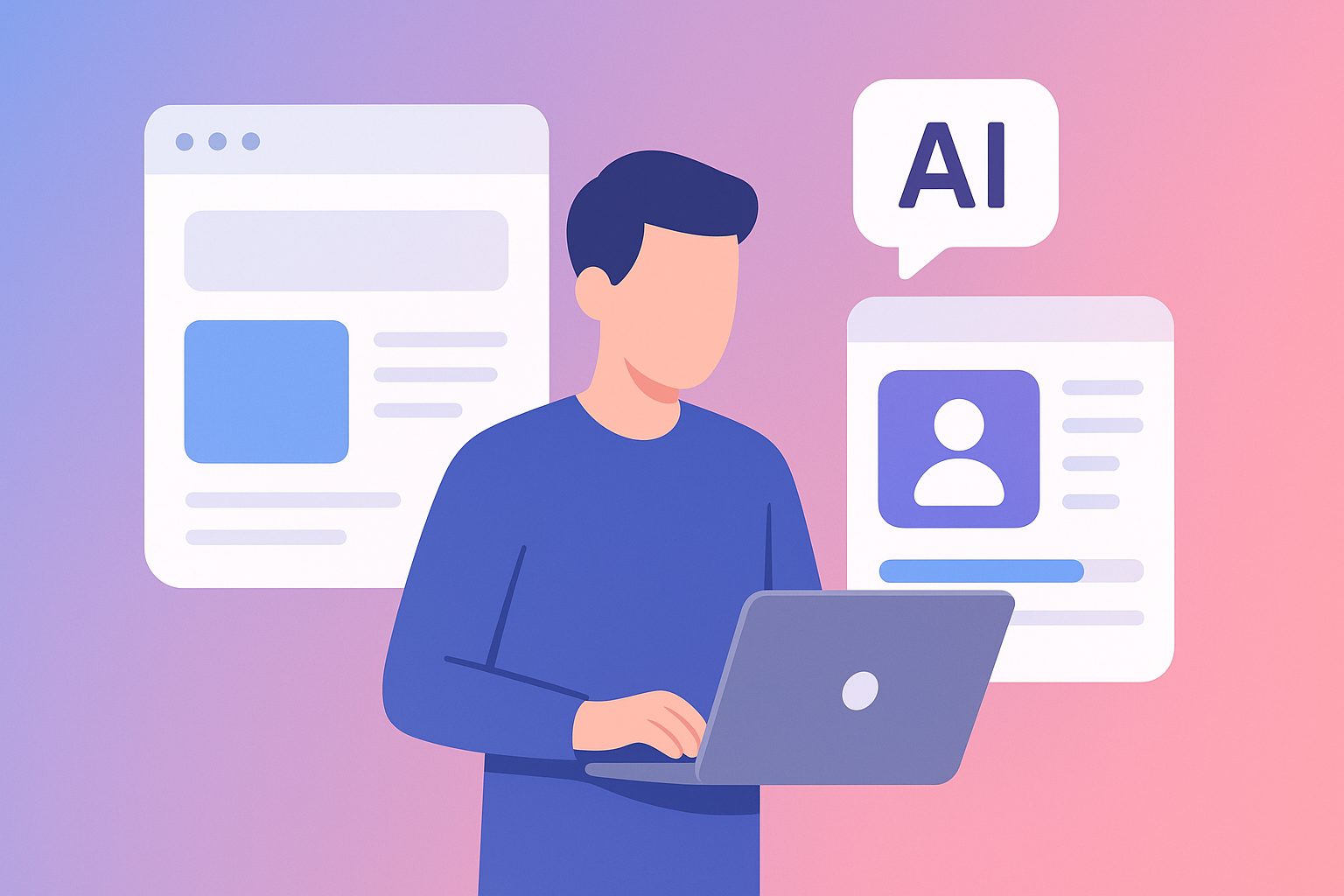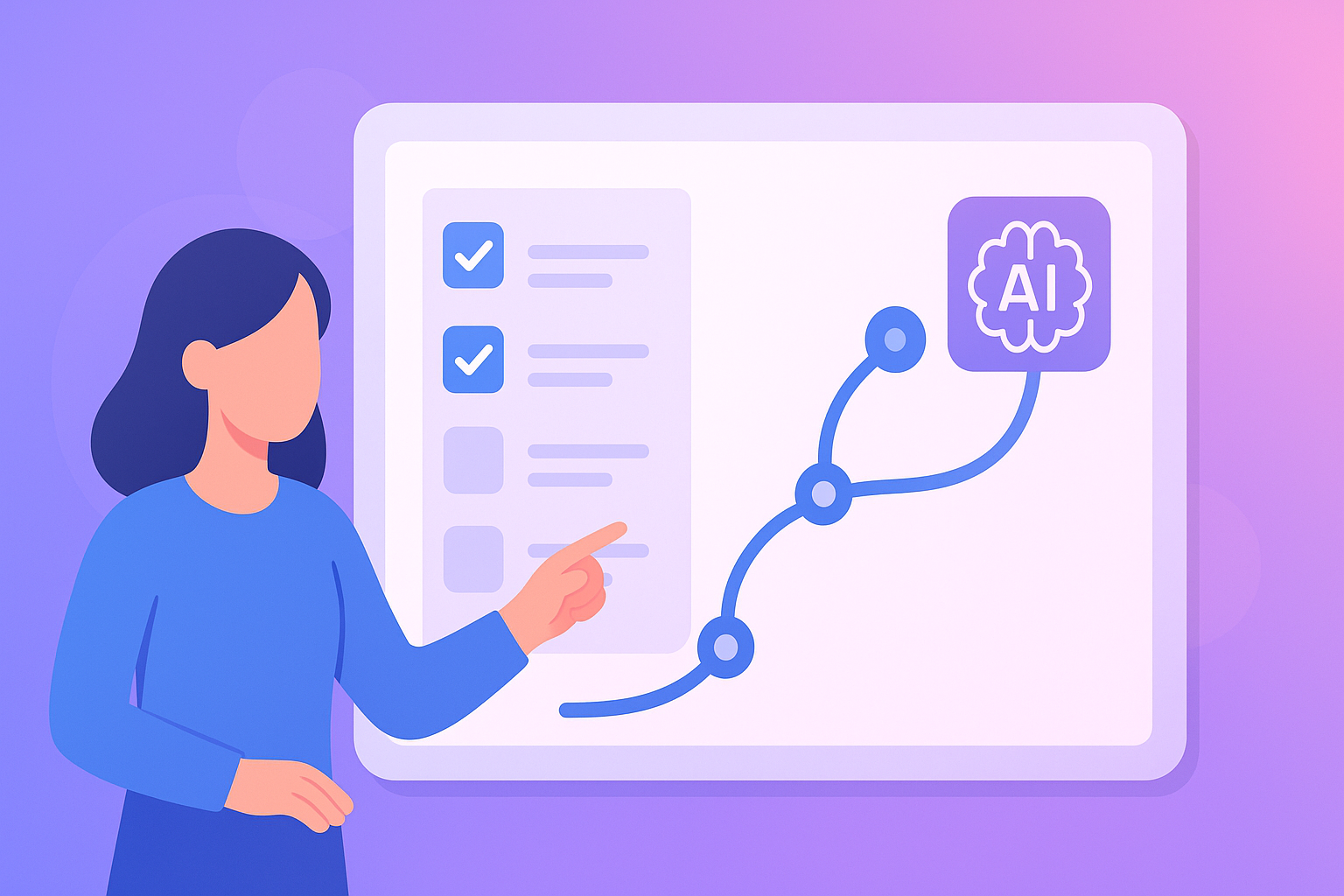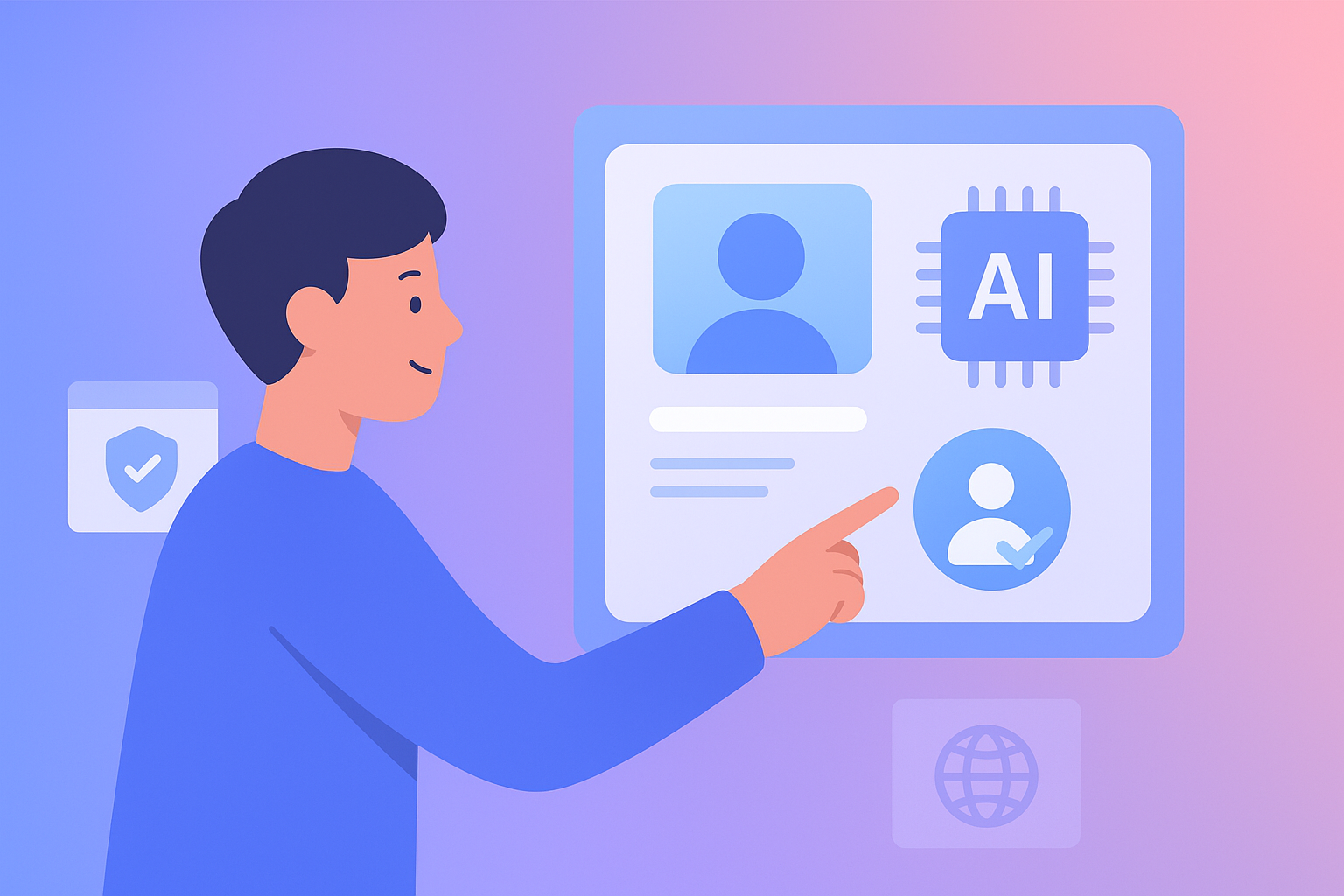

Seeing is no longer believing online. AI-driven impersonation is making it increasingly difficult to distinguish between a real person and a convincing digital imitation, raising urgent concerns about trust, credibility, and safety.
As the line between authentic and artificial continues to blur, identity verification is becoming a critical tool for protecting individuals and organisations. Establishing proof of human presence is no longer optional; it is foundational to maintaining trust across digital platforms.
The Rising Threat of AI Impersonation in Digital Spaces
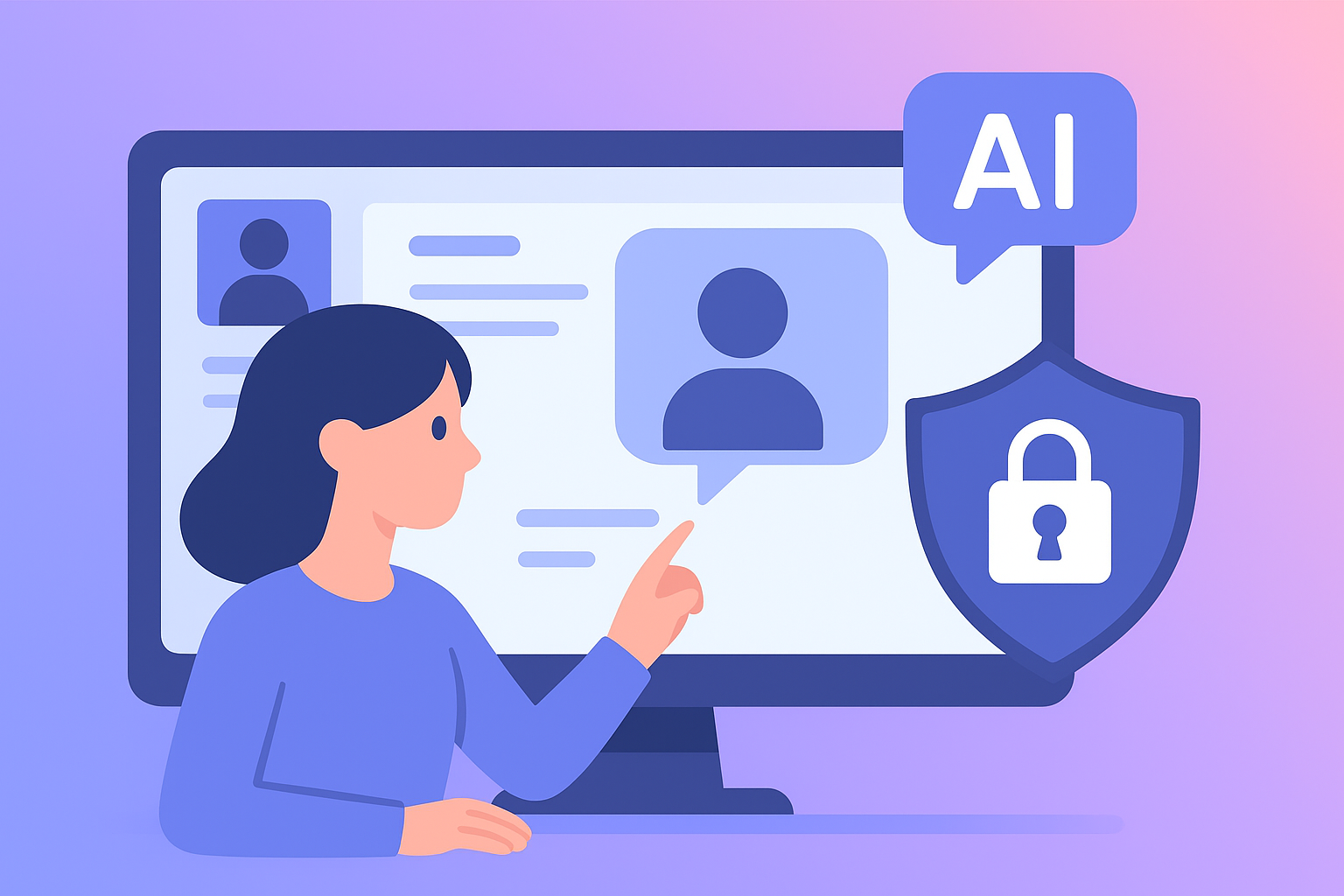
AI impersonation is no longer a theoretical risk. From cloned voices to synthetic video and hyper-realistic imagery, attackers now have the tools to convincingly mimic real individuals. This creates a dangerous environment where digital identity becomes uncertain, and trust can be easily exploited.
Social media profiles, email communications, and even video calls can be manipulated. A message that appears to come from a colleague or public figure may, in reality, be generated entirely by AI. This erosion of trust affects not just individuals but entire organisations.
The consequences are serious. Fraud, reputational damage, and misinformation campaigns all thrive in environments where identity cannot be verified. As AI tools become more accessible, the scale and frequency of impersonation attempts are expected to increase.
For a deeper exploration of how technology is reshaping identity systems, see AI identity verification technology and its growing role in digital security.
Why Identity Verification Matters More Than Ever
In an environment shaped by uncertainty, identity verification provides clarity. It allows individuals to demonstrate that they are real, present, and accountable for their online presence.
Rather than relying on assumptions or appearances, verification introduces a measurable layer of trust. This is especially important for creators, professionals, and public figures who rely on their credibility to engage audiences or conduct business.
Modern identity verification goes beyond simple credentials. Techniques such as biometric liveness verification confirm that a real human was physically present during the verification process, reducing the risk of spoofing or automation.
- Proof of human presence during a verification event
- Reduced risk of AI impersonation
- Improved trust in online interactions
- Clear verification records that can be shared publicly
Importantly, verification does not need to compromise privacy. Systems like PRVEN demonstrate that it is possible to create trust without storing sensitive biometric data.
How PRVEN Approaches Identity Verification
PRVEN takes a focused and transparent approach to digital identity. Rather than attempting to define or guarantee identity, it creates a public proof record of a verification event. This simple but powerful model helps reduce ambiguity online.
Through biometric liveness verification, PRVEN confirms that a real human was present at a specific point in time. A verification record is then generated, including key details such as timestamp, confidence score, and verification status.
What sets PRVEN apart is its privacy model. Full images are deleted after verification, and only a hash and small thumbnail are retained. There is no biometric database and no long-term storage of sensitive data.
Users can access their verification record and share a public link, allowing others to independently view proof that the verification event occurred. This creates a consistent and transparent way to establish trust.
To understand how this fits into broader verification systems, explore the role of identity verification in security.
Key Elements of PRVEN’s Model
PRVEN focuses on simplicity and clarity, avoiding unnecessary complexity while maintaining strong verification standards.
- Biometric liveness verification to confirm human presence
- Public verification records that are timestamped and shareable
- Privacy-first design with no biometric data storage
- Single active verification per user for clarity
This approach ensures that trust is built on verifiable events rather than assumptions or continuous monitoring.
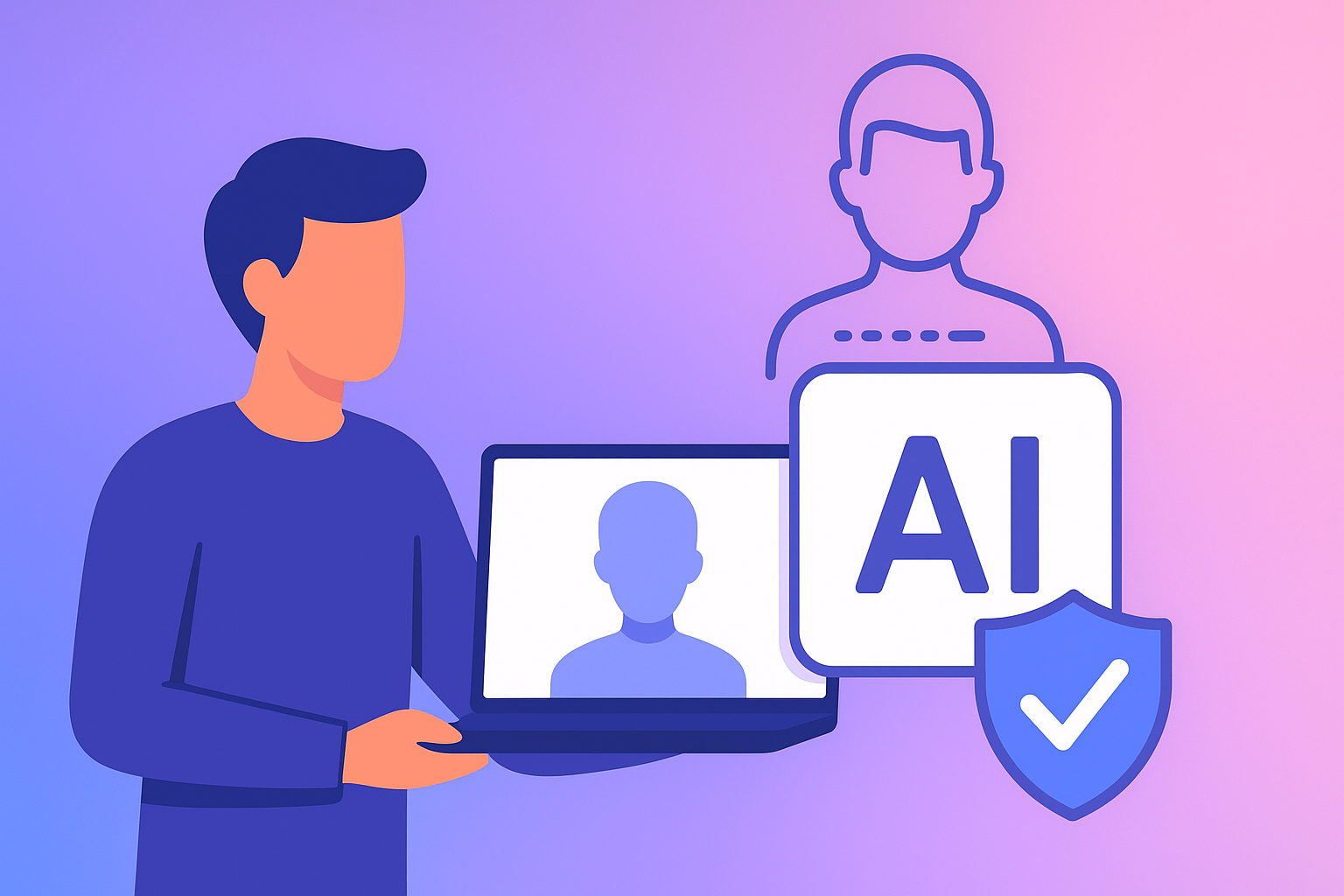
Protecting Yourself Against AI Impersonation
While identity verification platforms play a central role, individuals must also adopt proactive measures to reduce their exposure to impersonation risks. Awareness and vigilance remain essential.
Simple habits can significantly reduce the likelihood of falling victim to AI-driven deception. These include verifying unexpected requests, avoiding blind trust in digital communications, and using trusted verification tools.
- Verify identities through official or known channels
- Question unusual or urgent requests for information
- Use trusted verification records where available
- Limit the amount of personal content shared publicly
Combining these practices with reliable verification systems creates a stronger defence against impersonation attempts. Trust should be earned through evidence, not assumed based on appearance.
The Future of Online Trust and Verification
The internet is moving towards a model where proof of authenticity becomes a standard expectation. As AI-generated content continues to grow, the ability to demonstrate that you are a real person will become increasingly valuable.
Verification records offer a scalable solution. Rather than relying on centralised identity systems, individuals can present their own proof when needed, maintaining control over their digital presence.
PRVEN aligns with this future by focusing on verifiable events rather than persistent identity tracking. It provides a way to establish trust without compromising privacy or creating large-scale biometric databases.
If you are looking to establish your own verification record, you can begin through PRVEN’s identity platform, where the verification process is designed to be simple, secure, and transparent.
For further insights into how verification technologies are shaping digital trust, see identity verification innovation.
Building Trust in a Post-AI World
AI impersonation has fundamentally changed how trust operates online. The ability to replicate human behaviour convincingly means that traditional signals of authenticity are no longer sufficient.
In response, systems like PRVEN introduce a new standard: verifiable proof that a human was present during a specific moment. This model does not attempt to control identity but instead provides evidence that can be independently reviewed.
As more individuals adopt verification records, the digital environment becomes more transparent and accountable. Trust shifts from assumption to verification, creating a more reliable online ecosystem.
The challenge of AI impersonation will continue to evolve, but so too will the tools designed to address it. Identity verification, when implemented thoughtfully, offers a practical and privacy-conscious path forward.
Verify Your Identity with PRVEN
As fraud, impersonation, and AI-generated misuse become more common online, proving that you are real is becoming increasingly important. PRVEN helps you create a trusted verification record that others can rely on.