
Online identity is no longer taken at face value. With AI-generated content and impersonation on the rise, proving that you are a real person has become a critical part of building trust on the internet.
Identity fraud is no longer limited to stolen passwords or fake profiles; it now includes highly convincing deepfakes and synthetic identities. As a result, both individuals and organisations are seeking stronger, privacy-conscious ways to verify authenticity online.
The Growing Threat of Identity Fraud
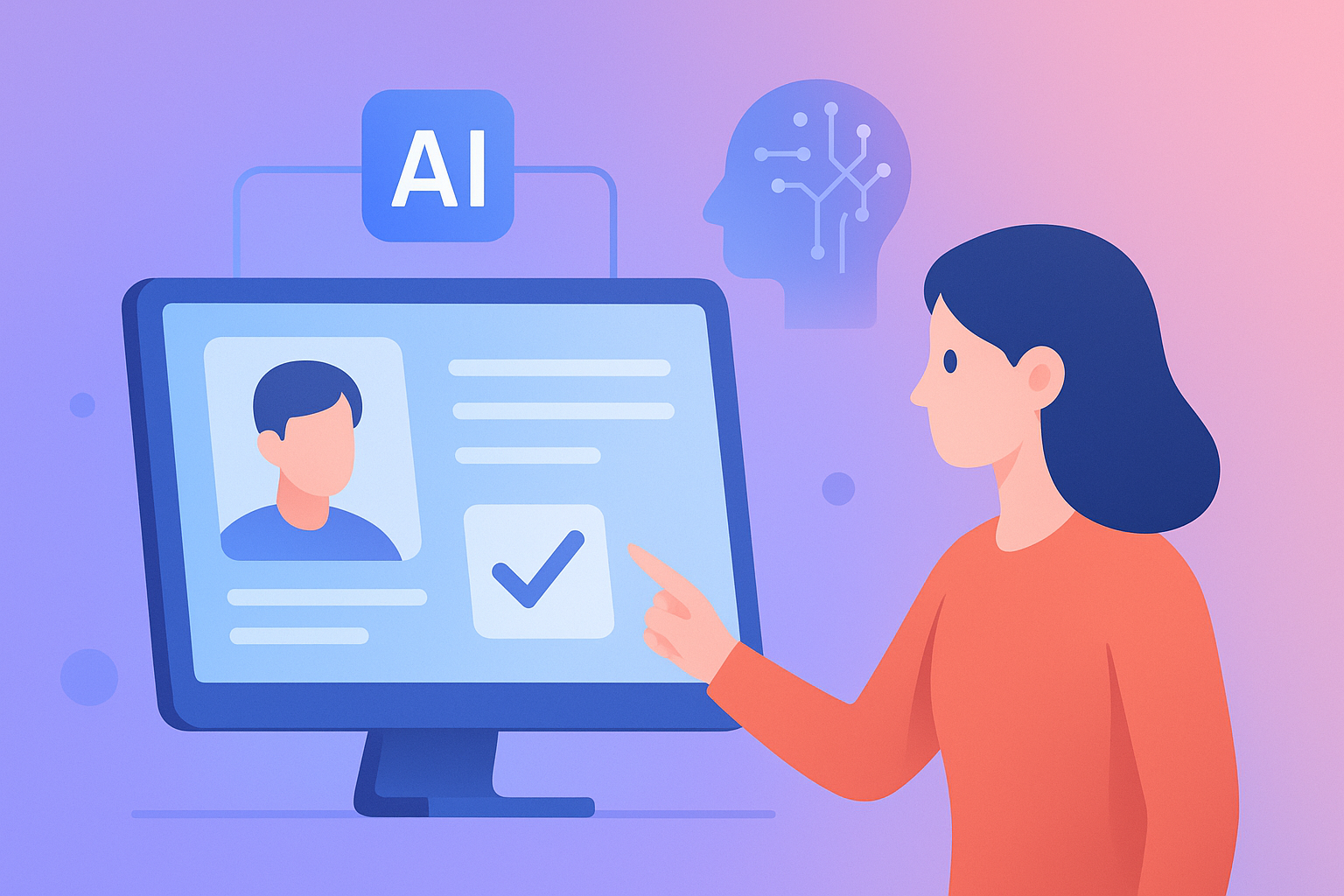
In today’s digital landscape, the risk of identity fraud is escalating rapidly. From social media impersonation to fraudulent business communications, the ability to convincingly mimic a real person has never been easier. AI-generated faces, voices, and content are blurring the line between real and fake, making traditional verification methods unreliable.
A recent wave of incidents has shown how easily bad actors can exploit trust online. Fake profiles with realistic images, cloned voices used in scams, and altered video content are all contributing to a growing sense of uncertainty. This erosion of trust affects everyone, from individuals building a personal brand to companies interacting with customers.
Without a reliable way to demonstrate authenticity, people are forced to rely on assumptions. This creates friction in communication and increases the likelihood of fraud. The challenge is clear: how can someone prove they are real in a digital environment filled with synthetic identities?
Why Traditional Verification Methods Fall Short
Most existing identity verification systems were not designed for the current wave of AI-driven threats. Passwords, email confirmations, and even document uploads can be bypassed or manipulated. Static verification methods simply cannot keep pace with dynamic, AI-enhanced fraud techniques.
Even systems that rely on identity documents introduce new concerns. They often require users to upload sensitive personal information, creating risks around data storage and misuse. Centralised databases storing identity data are attractive targets for breaches, raising serious privacy concerns.
In addition, many platforms do not provide any visible proof to third parties. A user may be “verified” internally, but there is no simple way to demonstrate that verification externally. This lack of portable proof limits the effectiveness of traditional systems in building broader online trust.
Biometric Liveness Verification Explained
Biometric liveness verification introduces a more reliable approach. Instead of relying on static inputs, it confirms that a real human is present during a verification process. This is achieved through live capture, ensuring that the subject is not a pre-recorded image or manipulated media.
During a verification event, a user provides a reference image and completes a live capture. The system compares the two, generating a result based on similarity and confidence scores. The outcome is not an identity claim, but a record that a real human participated in that moment.
This distinction is important. Rather than attempting to define who someone is in absolute terms, liveness verification focuses on proving that a genuine person was present. This makes it significantly more resilient against AI-generated impersonation.
Introducing PRVEN: A New Approach to Digital Identity
PRVEN offers a privacy-focused way to address the growing trust gap online. It enables individuals to complete a biometric liveness verification and generate a public proof record that confirms a verification event occurred. It does not store biometric data or build a centralised identity database.
Instead, PRVEN creates a timestamped record containing key verification details, including confidence scores and verification status. This record can be shared publicly, allowing others to independently verify that a real human was present at the time of verification.
To explore how it works, visit PRVEN’s identity verification platform. The process is designed to be simple, accessible, and focused on transparency rather than data collection.
This model shifts the focus from identity storage to proof of verification, reducing risk while increasing trust. Users remain in control of their data, and only minimal information is retained.
How PRVEN Builds Trust Without Storing Biometric Data
One of PRVEN’s defining features is its privacy-first design. Full images used during verification are deleted after processing, and only a hashed reference and small thumbnail are stored. No biometric templates or face databases are created, significantly reducing exposure to data breaches.
The platform records essential details such as:
- Verification timestamp and region
- Confidence and similarity scores
- Liveness verification result
- A unique verification identifier
This information forms a public proof record that can be accessed via a unique link. Importantly, this record does not claim to prove identity in an absolute sense. Instead, it confirms that a biometric verification event took place.
This approach aligns with growing demand for systems that enhance trust while minimising data retention. By avoiding long-term storage of sensitive information, PRVEN reduces risk without compromising on verification integrity.
Use Cases: Who Benefits from Verification Proof
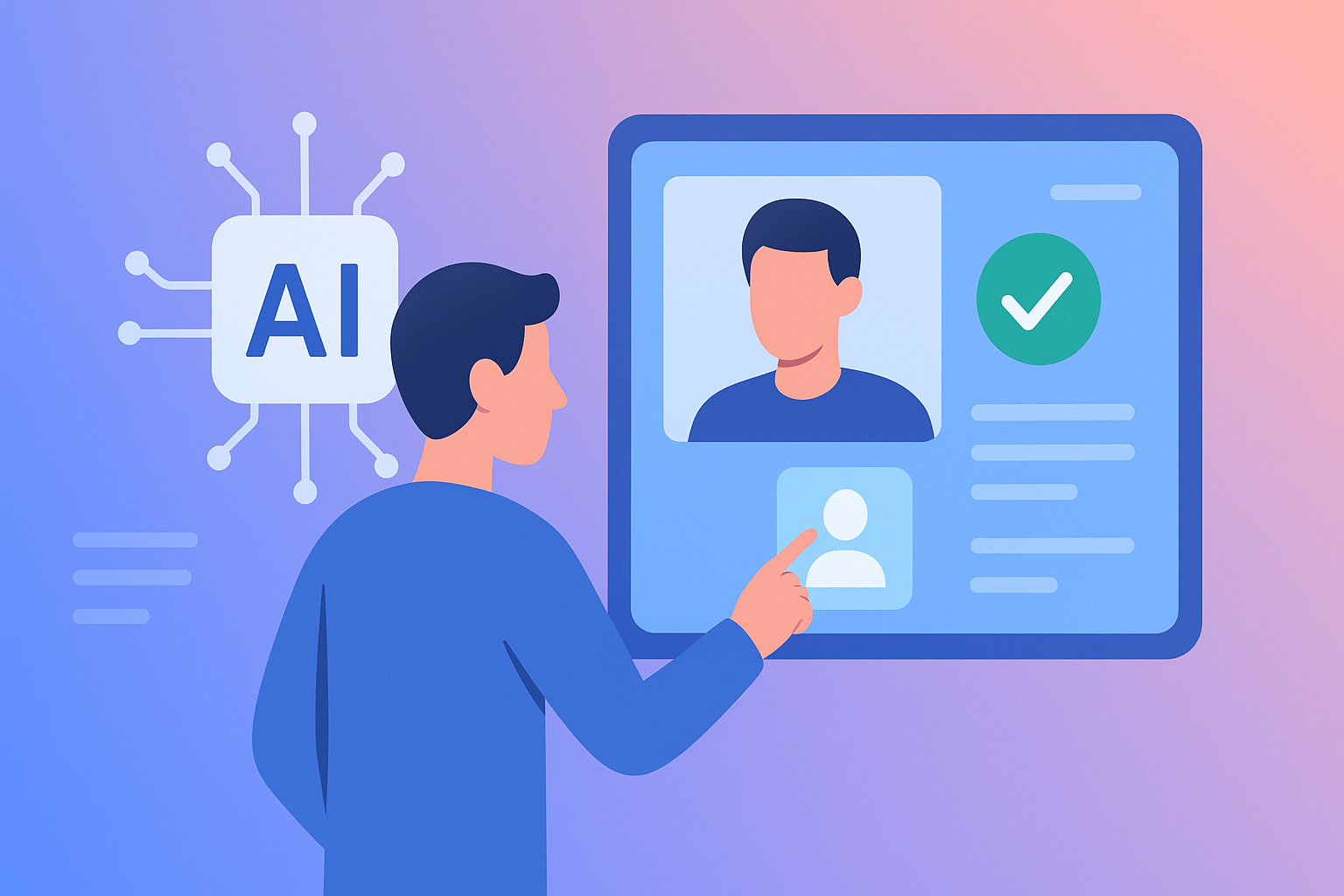
The need to prove authenticity is not limited to any one group. A wide range of individuals can benefit from having a verifiable record of a biometric verification event. Digital trust is now a personal asset.
Common use cases include:
- Creators verifying their identity to audiences
- Professionals establishing credibility with clients
- Public figures reducing impersonation risk
- Online personalities building trust across platforms
In each case, the goal is the same: reduce uncertainty. By providing a clear, accessible proof, individuals can differentiate themselves from fake or AI-generated accounts. This clarity strengthens online interactions and supports more trustworthy communication.
The Role of Public Verification Records
A key innovation in PRVEN’s model is the concept of a public verification page. Each completed verification generates a unique record that can be shared via a link. This creates transparency without exposing sensitive data.
Unlike closed verification systems, this approach allows anyone to view the verification details. There is no need for third-party access or platform-specific checks. The record stands independently, providing a consistent reference point.
This is particularly valuable in environments where trust must be established quickly. Whether communicating with a new client or responding to potential impersonation, having a public proof record adds a layer of credibility that static profiles cannot provide.
Conclusion: Building Trust in an AI-Driven World
The rise of AI-generated content has fundamentally changed how we assess authenticity online. Assumptions are no longer enough, and traditional verification methods are struggling to keep up. Proving that a real human was present during a verification event offers a clear and practical solution.
PRVEN addresses this need by creating a system built on transparency, simplicity, and privacy. It does not attempt to solve every aspect of identity, but instead focuses on one critical element: verifiable proof of human presence.
As digital interactions continue to expand, tools that reduce uncertainty will become increasingly important. Establishing trust without compromising privacy is no longer optional—it is essential.
Verify Your Identity with PRVEN
As fraud, impersonation, and AI-generated misuse become more common online, proving that you are real is becoming increasingly important. PRVEN helps you create a trusted verification record that others can rely on.