
Your face is now one of your most valuable digital assets – and one of the easiest to misuse. As AI generated content becomes more convincing, protecting your identity is no longer optional. Knowing how to protect your face from AI is essential for maintaining trust, credibility, and control over your online presence.
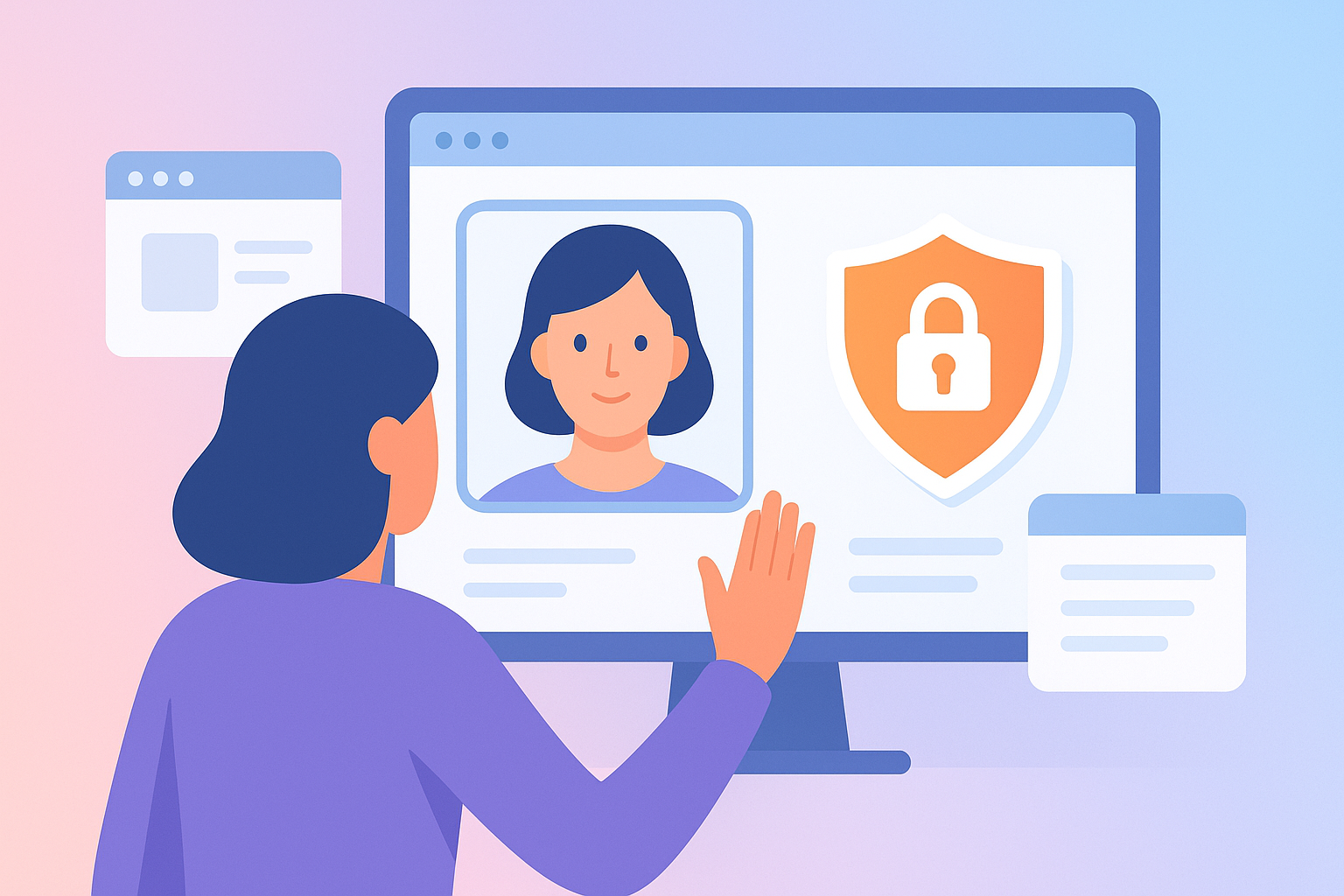
The rise of deepfakes, synthetic media, and impersonation tools means your likeness can be copied, altered, and redistributed without your involvement. This creates real risks—not just for public figures, but for anyone with a digital footprint. Understanding these risks is the first step towards managing them effectively.
Understanding How AI Uses Your Face
To understand how to protect your face from AI, it helps to know how your image is used in the first place. AI systems are trained on vast amounts of visual data, including publicly available photos and videos. Once trained, these systems can generate realistic images, mimic expressions, or even create videos of people who were never present.
Facial data is highly reusable, meaning a single clear image can be enough for AI tools to simulate your appearance. This is particularly concerning for creators, professionals, and public-facing individuals whose images are widely accessible online.
AI does not need your permission to replicate your likeness if your content is publicly accessible. This creates a gap between having an online presence and maintaining control over it.
The Real Risks of Facial Misuse
The consequences of AI misuse go beyond simple image manipulation. They can directly affect your reputation, professional credibility, and personal safety.
Impersonation is one of the most immediate threats. Someone can create content that appears to be you, potentially misleading your audience or causing reputational damage. This is especially risky for individuals who rely on trust, such as consultants, influencers, and educators.
Loss of control is another major concern. Once your face is used in AI-generated content, it becomes difficult to track or remove. This creates long-term uncertainty about how your identity is presented online.
Fraud and deception can also emerge, where your likeness is used in scams, endorsements, or messages that you never authorised.
Practical Ways to Protect Your Face from AI
While you cannot completely eliminate risk, you can significantly reduce your exposure by adopting smarter digital habits. Understanding how to protect your face from AI starts with controlling how and where your image appears.
- Limit high-resolution uploads where possible, especially on public platforms.
- Use platform privacy settings to control who can view and download your content.
- Avoid sharing sensitive or identifying images unnecessarily.
- Monitor your digital presence by periodically searching for your image online.
- Be selective with platforms that request or store facial data.
These steps help reduce exposure, but they do not create a clear way to prove what is authentic. That gap is where identity verification becomes important.
The Role of Identity Verification in Building Trust
In a world where images can be easily manipulated, verification provides something AI cannot fake: a trusted record of a real human being present at a specific moment.
PRVEN introduces a simple approach to this problem. Instead of tracking or storing facial data, it creates a public proof record of a biometric liveness verification event. This allows individuals to demonstrate authenticity without compromising privacy.
Through https://identity.prven.org, users can complete a biometric liveness verification that confirms a real human was present during the process. The system generates a timestamped verification record, without storing biometric data or building a central database.
This shifts the conversation from “is this real?” to “has this been verified?”, which is far more reliable in an AI-driven environment.
Why Proof Matters More Than Detection
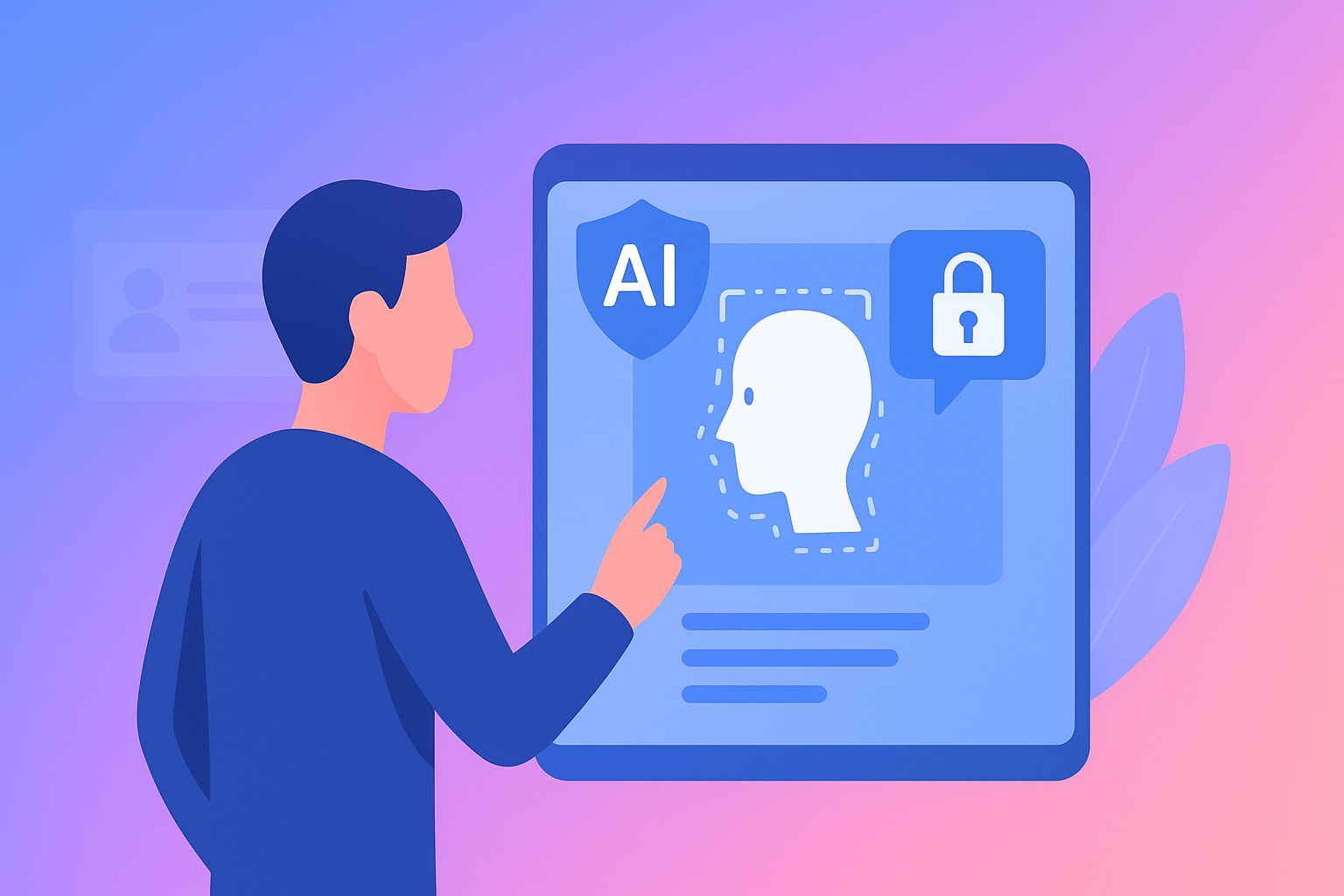
Many discussions around AI focus on detection—spotting deepfakes or identifying manipulated content. However, detection is reactive and often unreliable. A more effective approach is establishing proactive proof of authenticity.
PRVEN does exactly this by recording a verification event that can be referenced publicly. It does not claim to guarantee identity or monitor behaviour. Instead, it provides a clear, verifiable signal that a real person completed a verification process.
This distinction is important. Rather than chasing every possible misuse, individuals can anchor their digital presence to a trusted verification record.
For those exploring broader career resilience in an AI-driven world, this idea of proving authenticity is becoming increasingly relevant. You can explore this further here: professions safe from AI job disruption.
Balancing Visibility and Protection
Having an online presence is important, but it should not come at the cost of losing control over your identity. The goal is not to disappear from the internet, but to engage with it more intentionally.
Visibility without verification creates risk, while verification without visibility limits opportunity. The balance lies in maintaining a presence that is both accessible and trustworthy.
By combining smart content practices with verification tools, individuals can build a stronger and more credible digital identity.
The Future of Digital Identity and Trust
As AI capabilities continue to expand, the question will shift from “can this be faked?” to “how do we prove what is real?”. Static images and videos will no longer be enough to establish trust on their own.
Verification records, such as those created by PRVEN, represent a step towards a more accountable digital environment. They provide a consistent way to demonstrate authenticity without relying on centralised databases or invasive tracking.
This approach aligns with a growing demand for privacy-focused solutions that still enable trust. It acknowledges that while AI cannot be stopped, its impact can be managed through better systems of verification.
Conclusion: Take Control of Your Digital Identity
Learning how to protect your face from AI is ultimately about taking control. The risks are real, but so are the tools available to manage them. By understanding how your image is used, reducing unnecessary exposure, and adopting verification methods, you can significantly strengthen your digital presence.
Trust is becoming the most valuable currency online, and proving that you are a real human is a key part of maintaining it. Rather than relying on assumptions, individuals now have the ability to provide clear, verifiable proof.
The internet is not becoming less complex—but with the right approach, it can become more trustworthy.
Verify Your Identity with PRVEN
As fraud, impersonation, and AI-generated misuse become more common online, proving that you are real is becoming increasingly important. PRVEN helps you create a trusted verification record that others can rely on.