
Concerns about AI taking jobs often miss a deeper issue: trust. As automation increases, the real challenge is not just employment disruption, but proving that a real human is behind the work, decisions, and communication.
Some professions remain resilient, not because AI cannot assist them, but because they rely heavily on human presence, judgement, and accountability. Alongside this shift, identity verification is becoming a key layer in protecting professional credibility.
Understanding AI Job Snatching and Its Limits
The phrase “AI job snatching” suggests total replacement, but in reality, AI is best understood as a tool rather than a substitute for most roles. While it can process data, generate content, and automate workflows, it lacks genuine human judgement, accountability, and lived experience.
This distinction matters. In fields where outcomes depend on trust, responsibility, or ethical decision-making, simply producing output is not enough. People still need to know who is behind the action and whether that person is real.
That’s where both human-centred professions and identity verification start to intersect in meaningful ways.
Professions That Remain Strongly Human
Despite advances in automation, several industries continue to rely on distinctly human capabilities that AI cannot fully replicate.
Healthcare and Patient-Facing Roles
Doctors, nurses, and therapists operate in environments where trust, empathy, and ethical responsibility are critical. AI can assist with diagnostics or data analysis, but patient care depends heavily on interpersonal interaction and judgement.
Creative and Original Work
Writers, designers, and artists may use AI tools, but originality and perspective remain human-driven. Audiences increasingly value authentic voices and real creators, especially as AI-generated content becomes more common.
Skilled Trades and Physical Expertise
Electricians, plumbers, and mechanics perform complex physical tasks that require adaptability in real-world conditions. These roles depend on hands-on experience and problem-solving in unpredictable environments.
Education and Mentorship
Teachers and trainers do more than deliver information. They motivate, guide, and adapt to individuals. The value lies in human connection and personalised interaction, not just content delivery.
Social and Support Services
Social workers and counsellors handle complex emotional and social dynamics. These roles require deep understanding, empathy, and ethical nuance, which AI cannot replicate in any meaningful way.
While these careers are less likely to be replaced outright, they are still affected by a growing issue: digital impersonation and uncertainty about identity.
The New Risk: Not Replacement, but Impersonation
AI is not just changing how work is done; it is changing how easily people can be imitated. Deepfakes, synthetic profiles, and AI-generated communication have made it harder to distinguish between real professionals and artificial representations.
This creates a different kind of risk:
- Professionals being impersonated online
- Fake experts gaining trust through generated content
- Audiences struggling to verify who is real
- Reputation damage caused by unauthorised identity use
In this environment, simply having skills is not enough. Being able to prove that you are a real human becomes increasingly important.
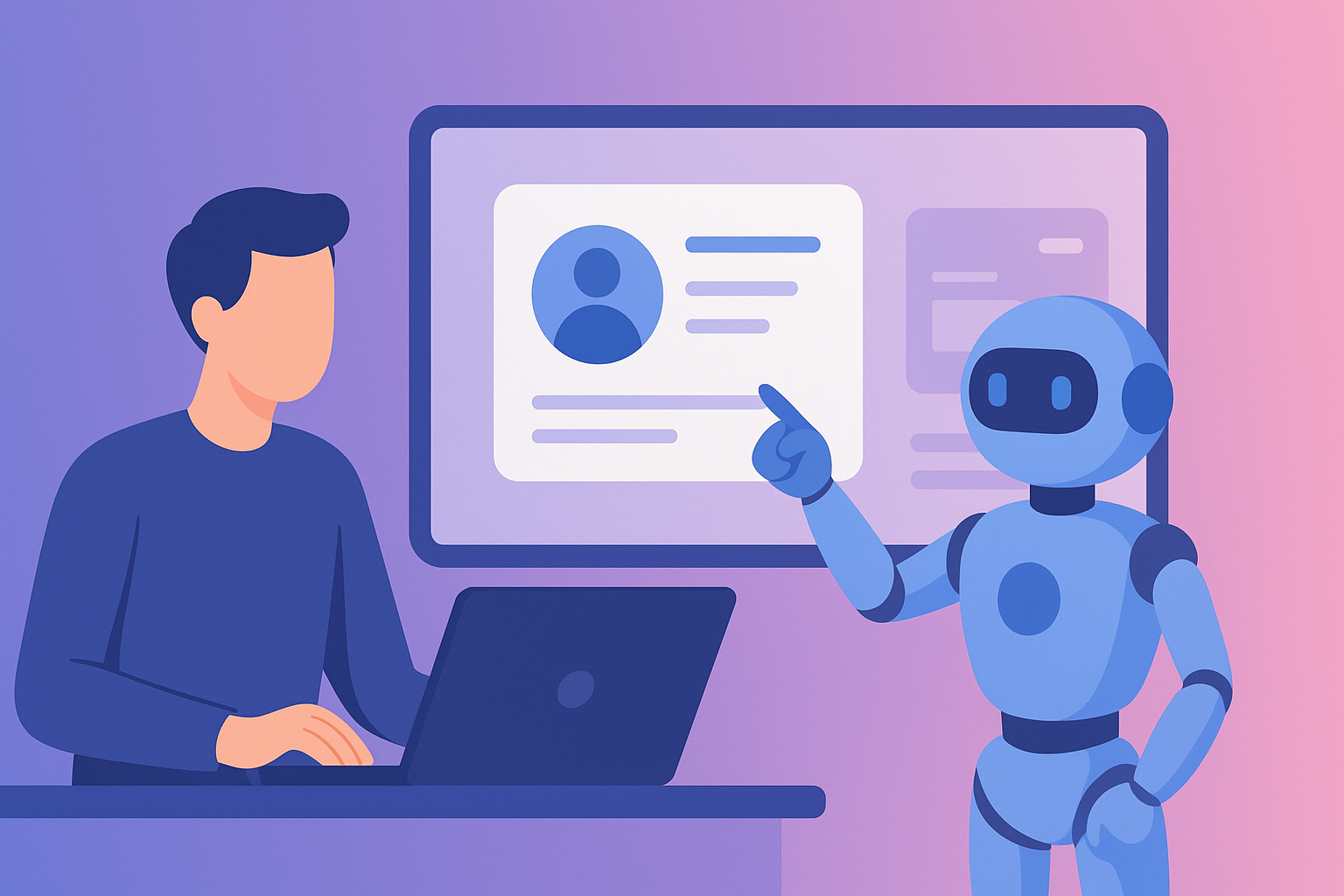
Why Identity Verification Matters More Than Ever
As AI-generated content grows, trust shifts away from what is seen and towards what is verified. Identity verification provides a way to reduce uncertainty without relying on assumptions.
PRVEN approaches this differently. It focuses on creating a public proof record of a verification event, showing that a real human was present at a specific point in time through biometric liveness verification.
Importantly, PRVEN does not store biometric data or attempt to track individuals. Instead, it creates a timestamped verification record that can be shared publicly when needed.
If you want to understand how this works in practice, you can explore PRVEN’s latest verification features and how they support digital trust without creating invasive data systems.
This model aligns well with professionals who need to demonstrate authenticity without compromising privacy.
How Verification Supports Career Protection
In professions that rely on reputation, credibility is everything. Identity verification adds a layer of assurance that helps distinguish real individuals from synthetic or impersonated ones.
Here’s how it strengthens professional positioning:
- Provides a verifiable record that a real person completed a biometric verification event
- Helps audiences and clients trust who they are engaging with
- Reduces ambiguity in online interactions
- Supports personal branding with proof, not just claims
Unlike traditional identity systems, PRVEN keeps things simple and focused. It does not claim to guarantee identity or behaviour, but it does provide evidence that a real human was present during verification.
You can create your own verification record at https://identity.prven.org and use it as part of your professional presence online.
Human Work Still Matters—But Proof Now Matters Too
The idea that AI will replace all jobs overlooks a key truth: many roles depend on being human, not just producing output. However, as digital environments become more complex, proving that humanity becomes part of the equation.
Professions built on trust, interaction, and accountability are not disappearing. They are evolving. And part of that evolution is the ability to provide clear, verifiable signals of authenticity.
PRVEN fits into this shift by offering a straightforward way to create a public proof record of a verification event without adding unnecessary friction or compromising privacy.
In a world where seeing is no longer believing, verification becomes the new foundation of trust.
Verify Your Identity with PRVEN
As fraud, impersonation, and AI-generated misuse become more common online, proving that you are real is becoming increasingly important. PRVEN helps you create a trusted verification record that others can rely on.