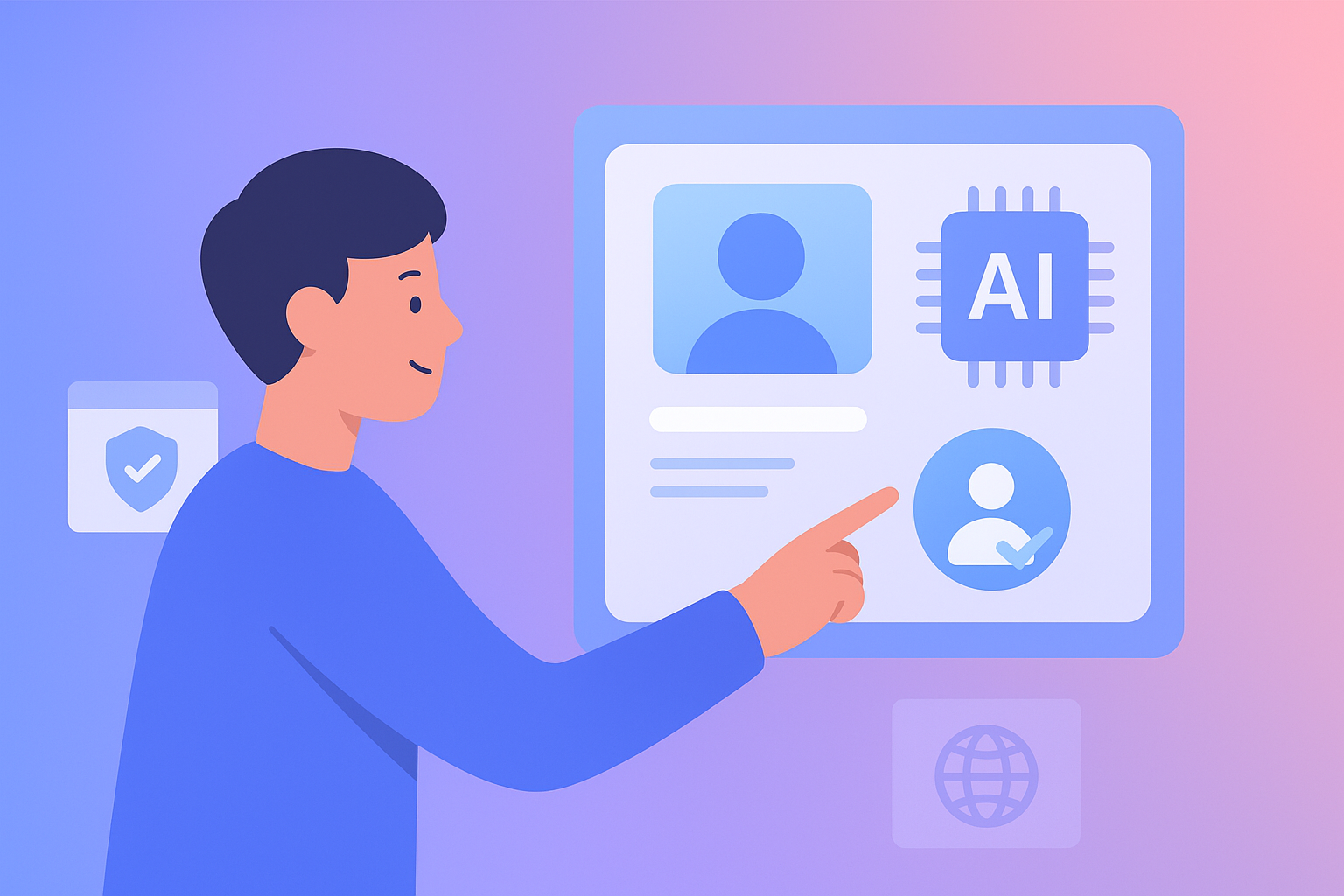

Synthetic media is no longer a niche concept; it is reshaping how people present themselves online and how others interpret authenticity. As deepfakes and AI-generated content become more convincing, the ability to distinguish between real and artificial identities is increasingly uncertain.
This shift raises a fundamental question: how do we prove someone is genuinely human in a digital environment where appearances can be fabricated with ease?
Understanding Synthetic Media and Digital Identity
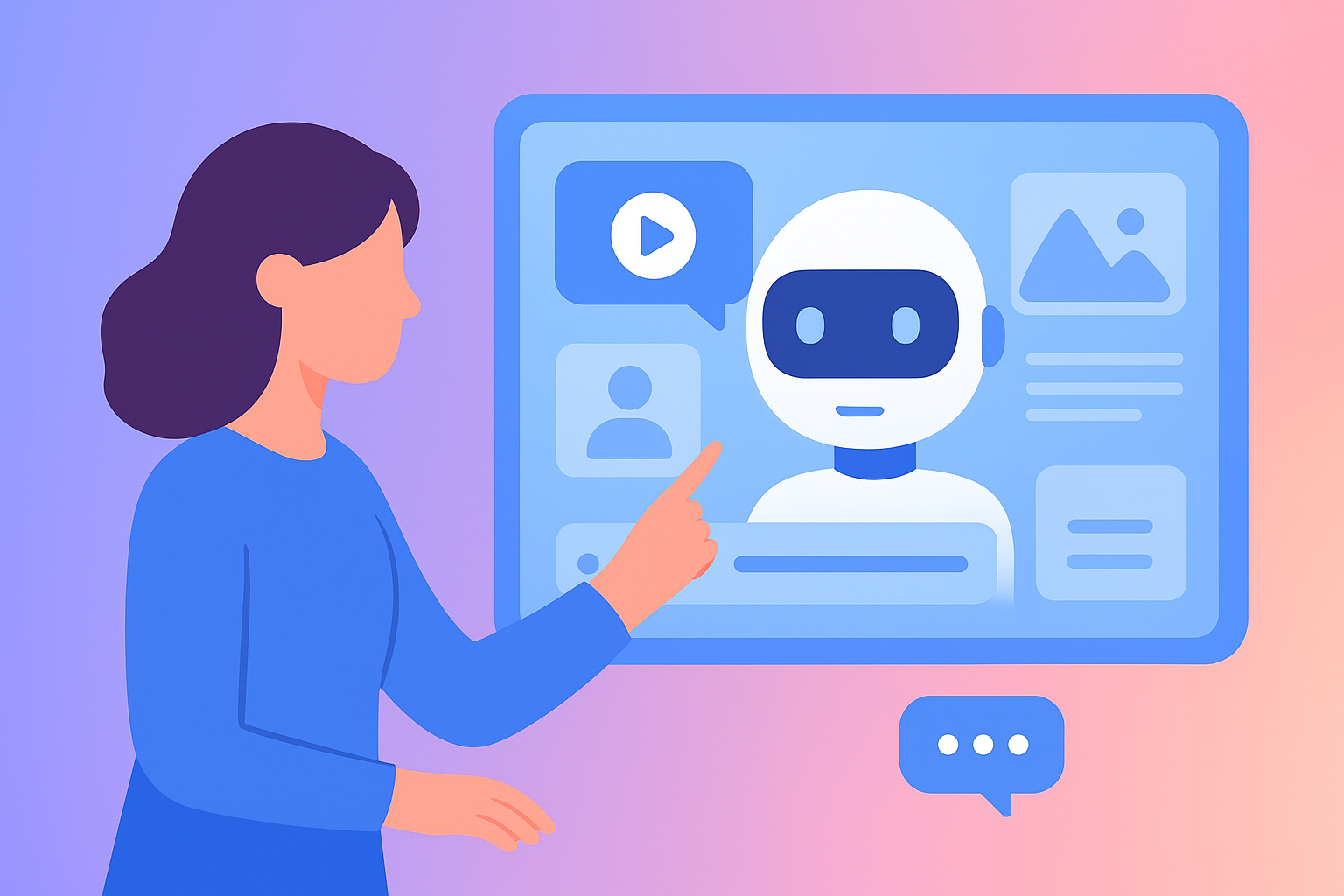
Synthetic media refers to content generated or manipulated by artificial intelligence, including images, videos, and voices that replicate real people. While these technologies enable creativity and innovation, they also introduce serious challenges around authenticity and trust.
The core issue lies in perception. When a video or image looks real, audiences often assume it is genuine. However, AI-generated impersonation can now convincingly mimic human behaviour, making it harder to verify whether a person actually exists or participated in a piece of content.
This growing ambiguity is not just a technical problem but a societal one, affecting how we build trust in digital spaces.
Common Forms of Synthetic Media
Synthetic media appears in various formats, each contributing to the broader challenge of verifying identity online. Some of the most common include:
- Deepfake videos: AI-generated videos that simulate real individuals, often used for impersonation.
- Voice cloning: Replicating a person’s voice to create convincing audio content.
- AI-generated images: Highly realistic portraits of people who do not exist.
- Virtual influencers: Fully digital personas with social media presence and audience engagement.
These formats demonstrate how visual realism no longer guarantees authenticity. As a result, individuals and platforms must rely on stronger methods of verification beyond what is seen or heard.
The Growing Risk of Impersonation
Synthetic media has lowered the barrier to impersonation. Individuals can now create convincing representations of others with minimal technical expertise, leading to risks across multiple domains.
Online identities are increasingly vulnerable, particularly for creators, professionals, and public figures whose presence depends on trust. Fake accounts, manipulated videos, and misleading content can damage reputations and mislead audiences.
This is why AI identity verification in preventing fraud is becoming a critical topic. The ability to confirm that a real person was present at a specific moment is now essential in maintaining credibility.
Without reliable verification methods, the distinction between genuine individuals and synthetic representations will continue to blur.
Why Traditional Identity Signals Are No Longer Enough
Historically, identity online was inferred through signals such as profile photos, follower counts, or social activity. Today, these indicators are increasingly unreliable.
Synthetic media can replicate these signals with surprising accuracy, creating the illusion of legitimacy. A realistic profile picture or polished video no longer guarantees that a real person exists behind the content.
This shift highlights the need for verifiable proof rather than assumed authenticity. Instead of relying on appearances, users need a way to demonstrate that a real human was present during a specific interaction or verification process.
The Role of Biometric Verification in Restoring Trust
Biometric liveness verification provides a practical solution to this problem. By requiring a live human interaction, it establishes that a real person was present during a verification event.
Platforms like PRVEN focus on this exact approach. Rather than storing biometric data or building a database of faces, PRVEN creates a public proof record that a verification event occurred. This record includes key details such as timestamp and verification outcome, helping others assess authenticity.
This method aligns with a broader shift towards privacy-focused identity verification, where proof is prioritised without unnecessary data retention.
PRVEN’s Approach to Synthetic Media Challenges
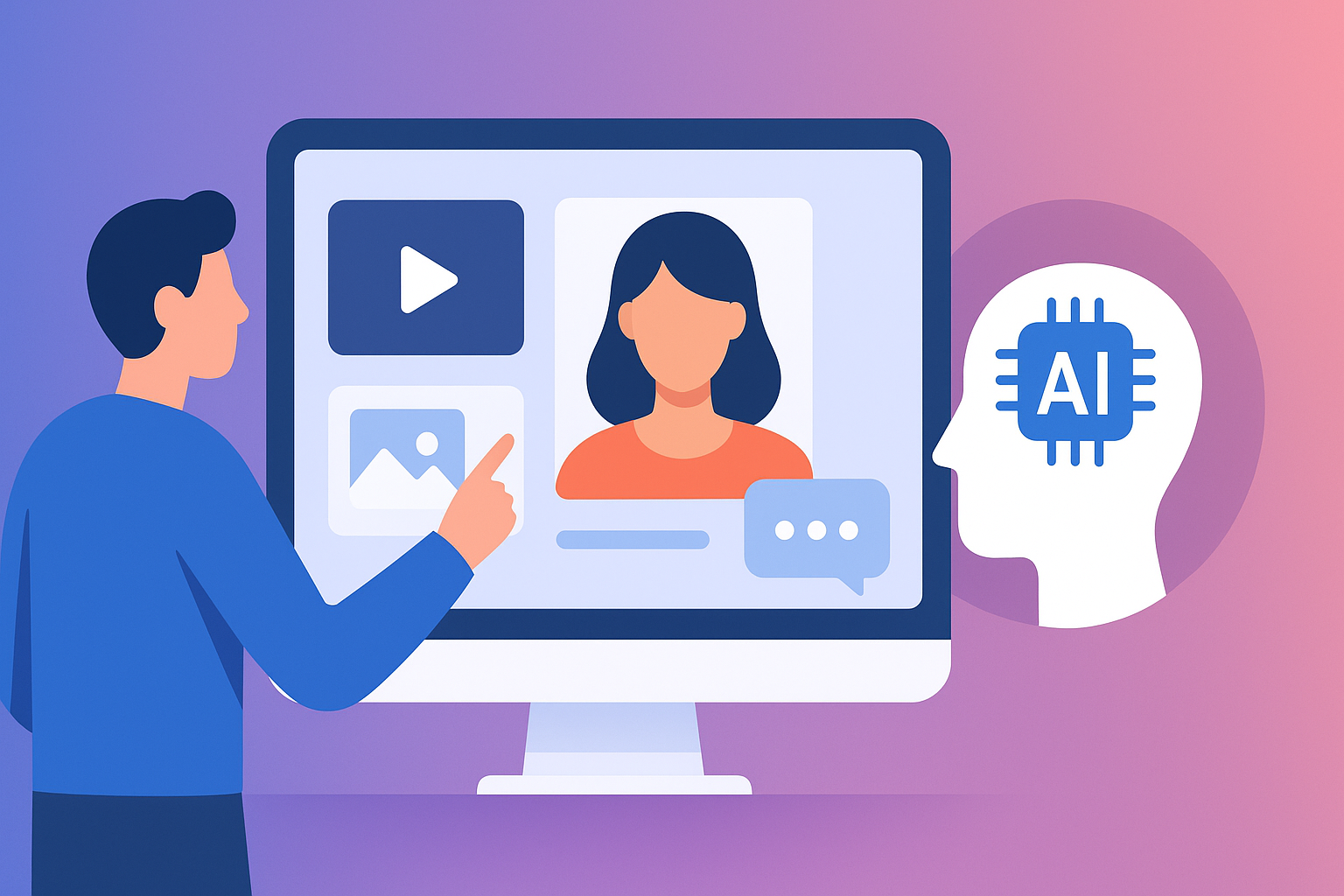
PRVEN addresses the risks posed by synthetic media by focusing on a single, clear outcome: proving that a real human was present during verification.
Instead of attempting to detect deepfakes or monitor online content, PRVEN creates a consistent and shareable verification record. This approach avoids overpromising and focuses on what can be reliably proven.
Key aspects of this model include:
- A biometric liveness verification process requiring real-time participation
- A timestamped verification record stored as a secure hash
- A public verification page accessible via a unique link
- No long-term storage of biometric images or templates
This structure ensures that digital trust is built on verifiable events rather than assumptions, offering a more grounded foundation for identity online.
Building Trust in an AI-Driven Environment
As synthetic media continues to evolve, trust must be redefined. The question is no longer whether content looks real, but whether it can be verified.
Verification events provide a tangible anchor in a landscape of uncertainty. By linking identity to a specific moment in time, they offer a level of assurance that static content cannot provide.
For professionals, creators, and public figures, this becomes a critical advantage. Having a public proof record allows audiences, collaborators, and clients to independently confirm authenticity.
This is why discussions around AI identity verification in preventing fraud are increasingly relevant. The ability to demonstrate real human presence is becoming a baseline expectation.
The Future of Identity in the Age of Synthetic Media
Synthetic media will continue to advance, and attempts to distinguish real from artificial content purely through detection will remain imperfect. Instead, the future of identity lies in proactive verification rather than reactive analysis.
This means creating systems where individuals can easily prove authenticity when needed, without compromising privacy. The combination of biometric liveness verification and public proof records offers a scalable path forward.
As more interactions move online, the ability to verify that a real person was involved will become a standard requirement, not a niche feature.
Conclusion
Synthetic media has changed the rules of digital identity, making it harder to trust what we see. In this environment, proving authenticity requires more than appearance; it requires verifiable evidence.
Platforms like PRVEN introduce a practical way to address this challenge by recording and sharing proof of real human verification events. This approach does not attempt to solve every aspect of identity but focuses on what can be clearly established.
As the line between real and artificial continues to blur, verification will become the foundation of online trust.
Verify Your Identity with PRVEN
As fraud, impersonation, and AI-generated misuse become more common online, proving that you are real is becoming increasingly important. PRVEN helps you create a trusted verification record that others can rely on.