
It has never been easier to pretend to be someone else online. From AI-generated faces to cloned voices, the line between real and fake is becoming harder to see. This growing uncertainty makes identity verification not just useful, but essential for maintaining trust.
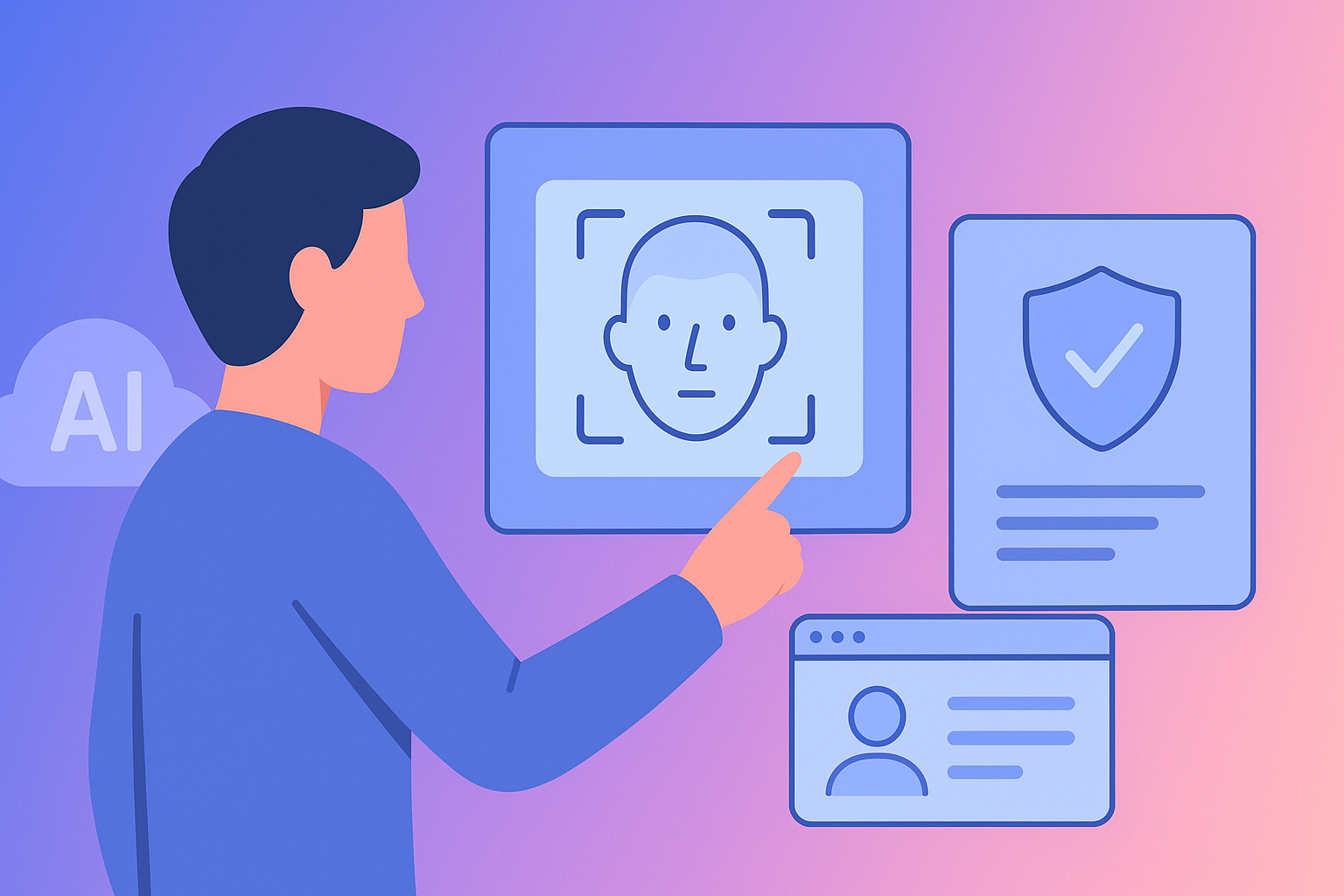
Understanding the Importance of Identity Verification
In a world where interactions increasingly happen online, proving someone is a real human has become a critical challenge. Social media profiles, professional accounts, and digital communities are all vulnerable to impersonation, automation, and manipulation.
Traditional methods of verification, such as email confirmation or profile pictures, are no longer sufficient. These signals can be easily replicated or faked. As a result, individuals and organisations face rising risks, including reputational damage, misinformation, and fraud.
This is where modern identity verification systems step in. By introducing biometric liveness verification, platforms can provide stronger evidence that a real person was present at a specific moment in time. This approach helps reduce ambiguity without requiring intrusive data collection.
For individuals building an online presence, having a verifiable signal of authenticity is becoming as important as the content they produce.
How Identity Verification Prevents Impersonation and Fraud
Impersonation thrives in environments where verification is weak or inconsistent. Fake accounts can mimic real individuals, spread false information, or exploit trust for financial gain. Identity verification introduces friction that makes these activities significantly more difficult.
By requiring a biometric liveness check, verification systems confirm that a real human is physically present during the process. This creates a verifiable event rather than relying on static or easily manipulated data.
Effective identity verification helps to:
- Reduce impersonation across online platforms
- Strengthen trust between audiences and creators
- Provide a consistent proof of authenticity
- Limit the spread of automated or fake accounts
Unlike passive signals, such as follower counts or profile longevity, a verification event offers a clear, timestamped record that can be independently viewed and shared.
Platforms like PRVEN identity verification take this further by allowing users to generate a public proof record without storing sensitive biometric data, balancing trust with privacy.
The Role of Biometric Liveness Verification
At the core of modern verification systems is biometric liveness verification. This process requires users to complete a real-time capture, ensuring that the subject is physically present rather than a static image or manipulated media.
Unlike traditional biometrics that may store templates or long-term data, newer approaches focus on verifying the moment rather than building a database. This shift is crucial in addressing privacy concerns while maintaining effectiveness.
With PRVEN, the process involves comparing a live capture to a reference image and generating a verification result. The outcome is not an identity guarantee, but rather a record that a biometric verification event occurred.
This distinction matters. It avoids over-claiming what verification can achieve while still providing meaningful assurance that reduces uncertainty in digital interactions.
Privacy in Identity Verification Systems
One of the biggest concerns around identity verification is how data is handled. Many systems rely on storing sensitive information, creating centralised databases that can become targets for breaches.
A more privacy-focused model limits data retention and avoids unnecessary storage. PRVEN follows this approach by ensuring that:
- Full images are deleted after verification
- Only a hash and small thumbnail are stored
- No biometric templates are retained
- No facial database is created
This means users can benefit from strong verification signals without sacrificing control over their personal data. The result is a system that prioritises both trust and privacy, rather than forcing a trade-off between the two.
In an era of increasing data sensitivity, this model provides a practical and responsible way forward.
Public Proof Records and Digital Trust
One of the most valuable aspects of modern identity verification is the ability to create a public proof record. Instead of relying on hidden verification processes, users can share a transparent record that demonstrates a verification event took place.
This record typically includes key details such as a timestamp, verification status, and confidence indicators. It does not reveal sensitive biometric data but still provides enough information to increase trust.
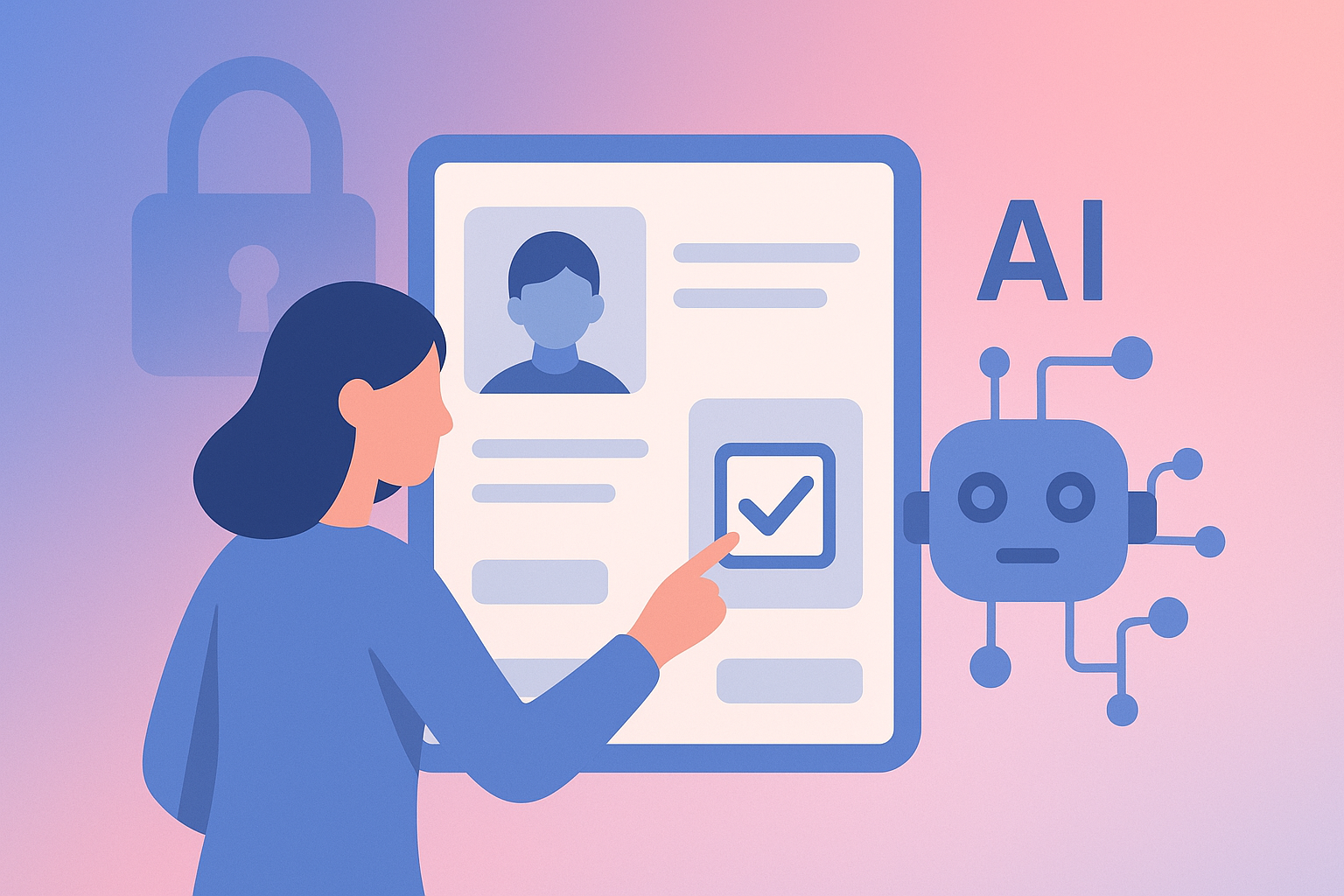
Public verification pages help audiences, clients, or collaborators quickly assess whether a person has completed a legitimate verification process. This is particularly useful for:
- Creators building credibility with their audience
- Professionals establishing trust with clients
- Public figures protecting against impersonation
By offering a consistent and shareable proof, verification records act as a reliable reference point in an otherwise uncertain digital environment.
Why Identity Verification Matters More in the Age of AI
AI-generated media has made it easier to create convincing fake identities at scale. From synthetic profile images to deepfake videos, distinguishing real from artificial is no longer straightforward.
This shift increases the importance of verifiable human presence. Rather than trying to detect every fake, which is increasingly difficult, systems like PRVEN focus on proving what is real.
This approach reframes the problem. Instead of chasing evolving threats, it establishes a stable signal of authenticity that users can rely on.
By generating a timestamped verification record, PRVEN provides a way to reduce uncertainty in digital identity without making exaggerated claims about identity or behaviour.
In a landscape shaped by AI, this kind of grounded, transparent verification is becoming a key building block of online trust.
Conclusion: Building Trust Through Verifiable Identity
The internet is entering a phase where trust can no longer be assumed. As impersonation and synthetic content become more common, identity verification offers a clear path forward.
By focusing on biometric liveness verification and public proof records, platforms like PRVEN provide a practical way to demonstrate authenticity without compromising privacy. This balance is essential for individuals who want to maintain credibility in a complex digital world.
Ultimately, identity verification is not about claiming certainty. It is about reducing doubt, strengthening trust, and giving people a reliable way to show they are real.
Verify Your Identity with PRVEN
As fraud, impersonation, and AI-generated misuse become more common online, proving that you are real is becoming increasingly important. PRVEN helps you create a trusted verification record that others can rely on.