AI Deepfakes Are Redefining Digital Identity — And Creators Are at Risk
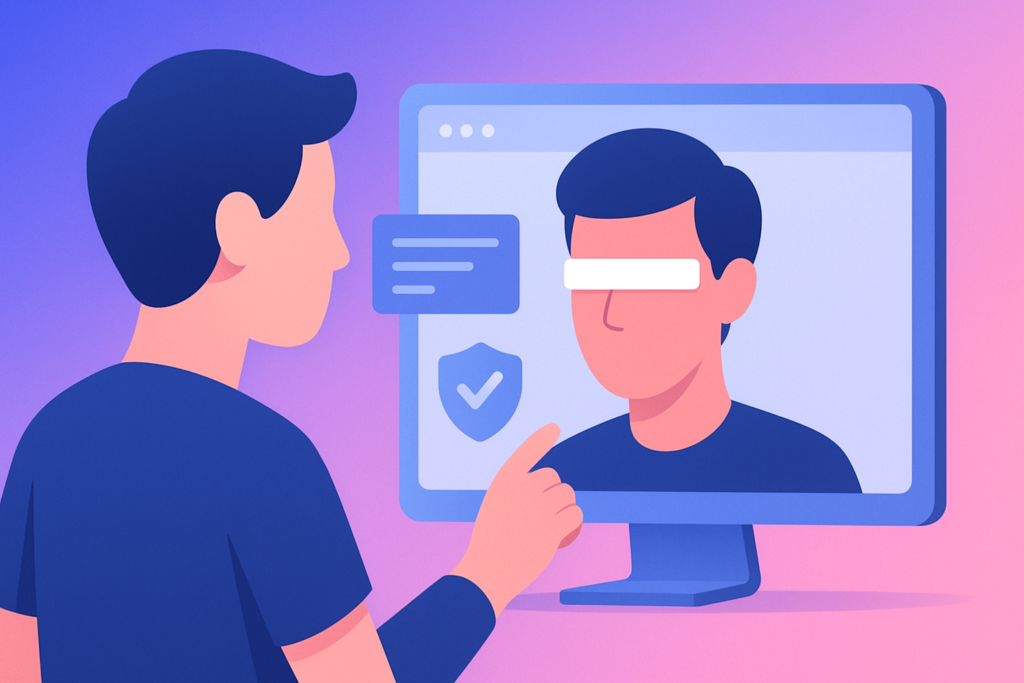
There was a time when seeing was believing. That time has passed. AI generated deepfakes are rapidly changing how identity works online. Faces can be cloned. Voices can be replicated. Entire personalities can be simulated with unsettling accuracy. For creators, this isn’t a theoretical risk — it’s a direct threat to reputation, income, and trust. […]
PRVEN Update: Building Digital Trust Infrastructure Before Paid Plans

Trust online is no longer a given — it must be built, signalled, and independently verified. PRVEN is taking a deliberate approach to this challenge by focusing on adoption first, monetisation second. Before introducing paid plans, the priority is to establish a strong, usable layer of digital trust that people actually rely on. This update […]
PRVEN Update: Why PRVEN Is Currently Free

RVEN is currently free — and that is intentional. This is not a temporary promotion or a discount strategy. It is a deliberate decision to support the early growth of a trusted identity verification network. As AI-generated content, impersonation, and deepfakes continue to rise, proving that you are real is becoming increasingly important. But for […]
PRVEN Instant Identity Verification: How the Complete Verification Flow Works
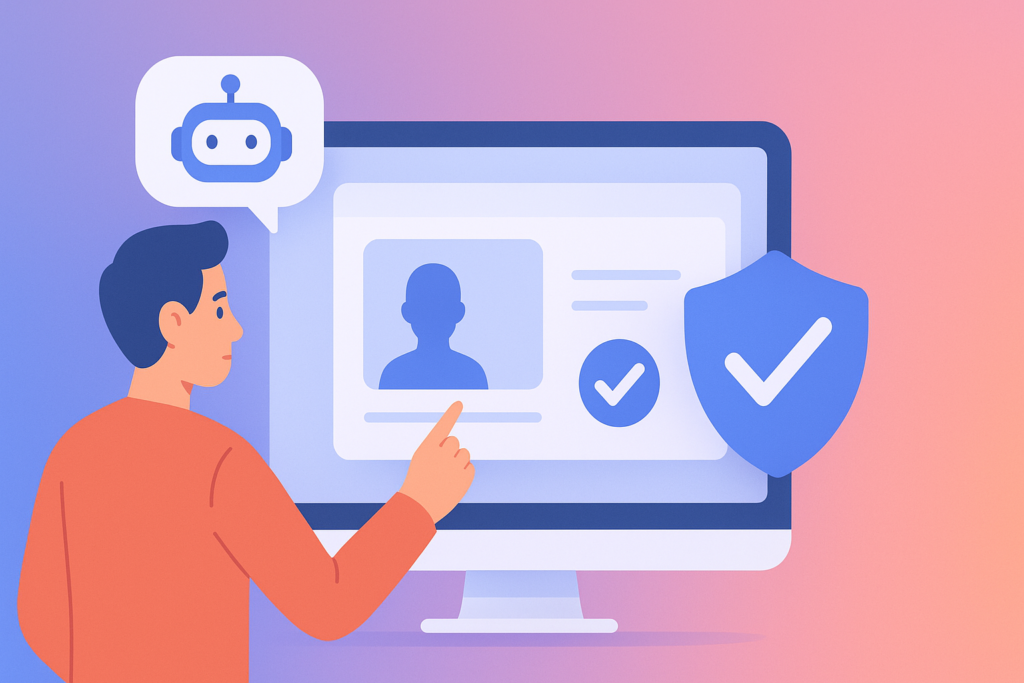
Instant identity verification is no longer a nice-to-have — it is a requirement in a digital world where interactions happen in seconds. From onboarding users to confirming identity in real time, organisations and individuals need a way to verify that a real human is present without slowing everything down. PRVEN introduces a complete, privacy-first verification […]
PRVEN Update: Watermarked Thumbnails for Privacy-First Identity Verification

Trust online is fragile — and nowhere is that clearer than in identity verification. Today, PRVEN introduces watermarked thumbnails with optional public visibility, a new feature designed to provide a clear visual signal of authenticity while maintaining strict control over personal data. This update allows users to prove they are real without exposing their full […]
PRVEN Update: One Verified Identity Per User to Strengthen Trust

Trust online is only as strong as the identities behind it. Today, PRVEN reinforces this principle by enforcing a simple but powerful rule: Each user can have only one active verified identity. This update strengthens the integrity of the entire system by ensuring that every verification record is tied to a single, consistent identity — […]
PRVEN Update: Why Only One Active Verification Is Allowed

Online trust depends on clarity — knowing exactly who you are interacting with and having confidence that identity is consistent. PRVEN enforces a simple but powerful rule: Each user can only have one active verification. This is not a limitation. It is a deliberate design choice that strengthens trust, reduces misuse, and ensures every verification […]
PRVEN Update: AI Usage Transparency and Identity Control for Creators
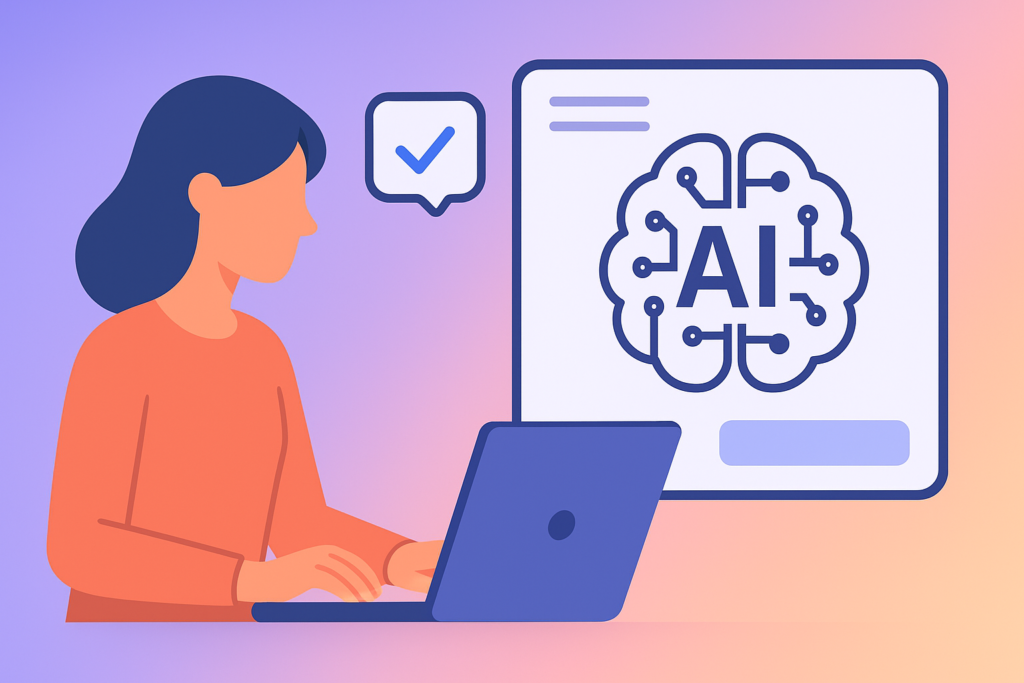
Trust online is under increasing pressure as AI-generated content becomes harder to distinguish from authentic human work. Deepfakes, synthetic media, and AI-assisted content are now part of everyday digital life. In response, PRVEN introduces a new layer of identity control through AI Usage Declaration — a feature designed to bring transparency, accountability, and clarity to […]
PRVEN Update: Introducing AI Usage Declaration for Identity Control
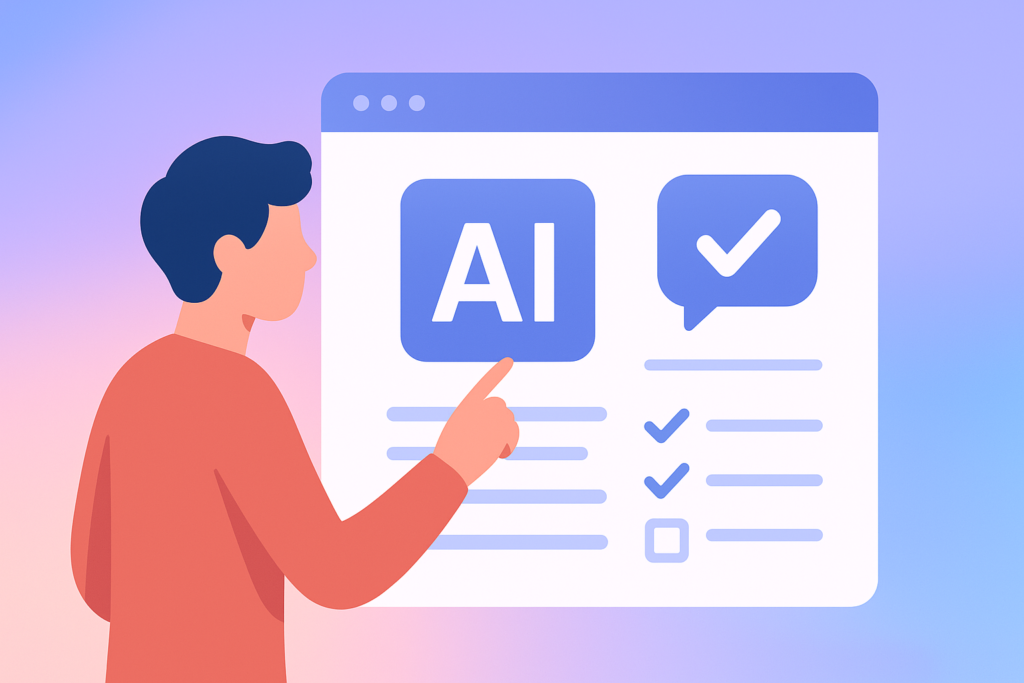
Control over digital identity is no longer optional — it is essential. Today, PRVEN introduces AI Usage Declaration, a new feature that allows users to define how their identity and likeness can be used by artificial intelligence systems. As AI-generated content, deepfakes, and synthetic media continue to rise, this update gives creators and individuals a […]
Redefining “Verified Human” in the Age of AI Impersonation

AI impersonation is no longer a distant threat; it is already reshaping how trust operates online. From realistic deepfakes to synthetic identities and voice cloning, distinguishing between real and artificial has become increasingly difficult. In this environment, simply claiming to be real is no longer enough. A new standard is emerging — one that focuses […]