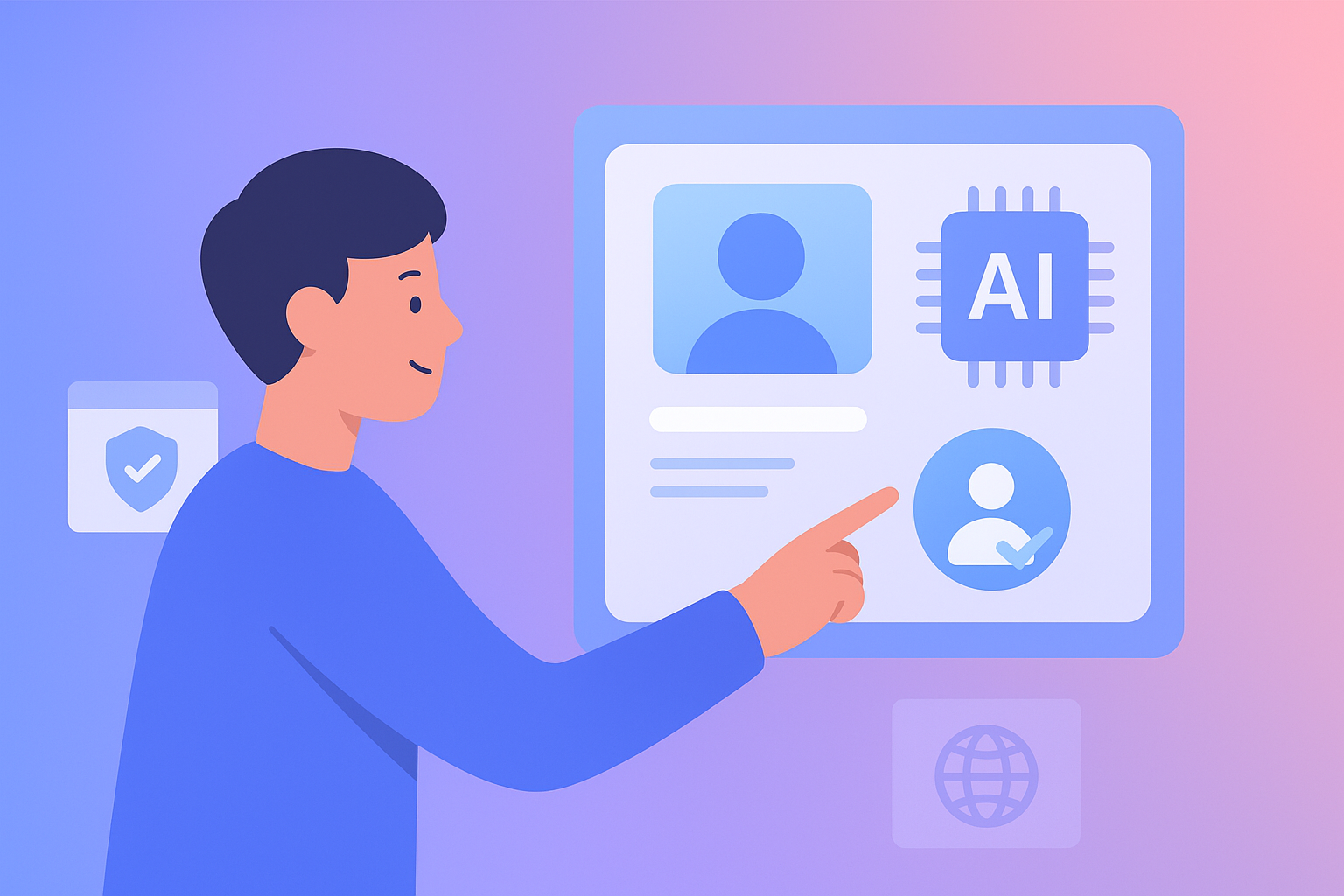

There was a time when seeing was believing. That time has passed.
AI generated deepfakes are rapidly changing how identity works online. Faces can be cloned. Voices can be replicated. Entire personalities can be simulated with unsettling accuracy. For creators, this isn’t a theoretical risk — it’s a direct threat to reputation, income, and trust.
If your identity is your brand, then deepfakes are no longer just a tech story. They’re your problem.
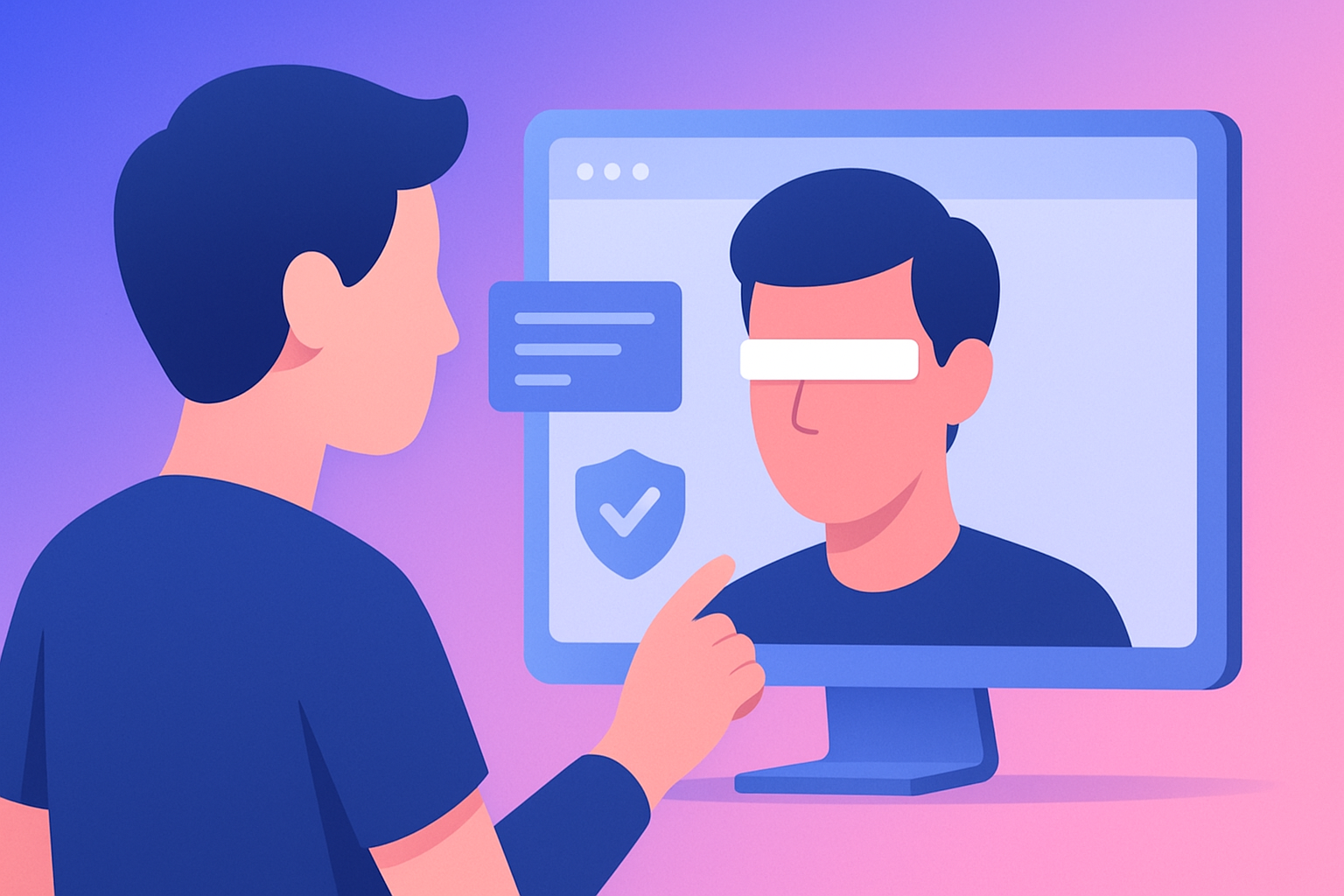
What AI Deepfakes Actually Are (And Why They’re Getting Better Fast)
Deepfakes are synthetic media created using machine learning models trained on real human data – usually images, videos, or audio pulled from the internet.
The key shift isn’t just capability. It’s accessibility.
What once required specialist knowledge and powerful hardware can now be done with consumer tools. That means:
- Faster creation of convincing fake content
- Lower cost for bad actors
- Wider distribution across platforms
The result? A surge in believable impersonations that are increasingly difficult to detect.
And importantly – most people are still not equipped to question what they’re seeing.
The Real Risk: It’s Not the Technology — It’s the Believability
The danger of deepfakes isn’t just that they exist. It’s that they work.
A well-made deepfake doesn’t need to fool everyone. It only needs to convince enough people, for long enough, to cause damage.
That damage can look like:
- Fake brand endorsements
- Manipulated videos damaging credibility
- Scam messages sent “as you”
- Financial fraud using cloned identity
For creators, trust is everything. Once it’s shaken, rebuilding it is slow – and sometimes impossible.
Why Creators Are the Easiest Targets
Creators unintentionally provide the perfect training data.
Every post, video, podcast, and livestream adds to a publicly available dataset that can be used to replicate:
- Your face
- Your voice
- Your mannerisms
- Your tone
The more successful you are, the more content exists — and the easier it becomes to impersonate you convincingly.
This creates a paradox:
Growth increases both your opportunity and your exposure to risk.
And unlike traditional security threats, you don’t need to be hacked to be impersonated.

Digital Identity Is Now a Security Layer — Not Just a Concept
For years, digital identity has been treated as a background idea — something tied to logins or profiles.
That’s no longer enough.
In a deepfake driven environment, identity needs to be:
- Provable
- Verifiable
- Externally trusted
This is where identity verification becomes critical.
Instead of relying on assumptions (“this looks like them”), verification creates a clear signal:
This person has been confirmed as real, and this identity belongs to them.
That shift – from assumed identity to proven identity – is what will define trust online moving forward.
How Identity Verification Changes the Game
Identity verification introduces friction for attackers and clarity for audiences.
When done properly, it creates:
- A trusted reference point for your identity
- A public proof layer others can check
- A clear distinction between real and fake content
This doesn’t eliminate deepfakes – but it makes them far less effective.
Because now, instead of asking:
“Is this real?”
People can ask:
“Is this verified?”
That’s a much stronger position to be in.
Practical Benefits for Creators
When identity verification is in place, the impact is immediate:
- Stronger audience trust
People have a clear way to confirm it’s really you
- Reduced impersonation success
Fake accounts and content become easier to challenge
- Protection in brand deals
Partners can verify identity before sending payments or agreements
- Faster dispute resolution
You have proof, not just claims
This isn’t just about security. It’s about control.
What You Should Be Doing Right Now
Waiting until something goes wrong is the worst strategy.
A stronger approach is preventative — building protection before you need it.
Start with:
1. Establish a single source of truth
Make it clear where your official identity lives
2. Limit unnecessary exposure
Be mindful of how much raw content is publicly accessible
3. Monitor for misuse
Regularly check for fake accounts or altered media
4. Use verification tools
Anchor your identity to something that can be independently validated
5. Educate your audience
Tell people how to recognise your real content
The goal isn’t paranoia. It’s preparedness.
The Future: Trust Will Be Verified, Not Assumed
We are moving into a phase where identity becomes infrastructure.
Just as HTTPS became standard for websites, identity verification is likely to become standard for individuals — especially those with an audience.
In that future:
- Unverified identities will carry more risk
- Verified identities will carry more weight
- Platforms will increasingly prioritise authenticity signals
Creators who adapt early won’t just be safer — they’ll be more credible.
Final Thought: If Your Identity Has Value, It Needs Protection
Deepfakes are not slowing down. The tools will improve. The outputs will become indistinguishable from reality.
The question is no longer:
“Will this affect me?”
It’s:
“Am I prepared when it does?”
Because once your identity is compromised, you’re no longer in control of how you’re represented online.
And that’s a dangerous place to be.
Create a Verifiable Digital Identity
If your online presence matters — whether for content, business, or reputation — having a provable identity is quickly becoming essential.
PRVEN allows you to create a public verification record that confirms you are a real person, without storing your biometric data.
It gives you:
- A trusted identity reference
- A shareable verification link
- A stronger foundation for digital trust
Start here:
identity.prven.org
Frequently Asked Questions
1. What is a deepfake?
A deepfake is AI-generated media that replicates a real person’s face, voice, or behaviour. It is created using machine learning models trained on real images, videos, or audio, making the result appear highly realistic.
2. How do deepfakes affect digital identity?
Deepfakes blur the line between real and fake content, making it harder to trust what you see online. This increases the risk of impersonation, fraud, and reputational damage.
3. Why are creators at higher risk of deepfakes?
Creators share large amounts of public content, which provides training data for AI models. This makes it easier for malicious actors to replicate their identity convincingly.
4. Can deepfakes be detected easily?
Detection is becoming more difficult as the technology improves. While some tools exist, they are not always reliable, which is why prevention and verification are increasingly important.
5. What is digital identity verification?
Digital identity verification is the process of proving that a person is real and matches their claimed identity, often using biometric checks such as facial recognition or liveness detection.
6. How does identity verification help prevent impersonation?
It creates a trusted reference point that others can use to confirm authenticity. This makes it easier to distinguish between genuine content and fake or manipulated media.
7. Is identity verification safe for privacy?
It depends on the system used. Privacy-focused solutions do not store biometric data long-term and instead use methods like hashing to protect user identity.
8. What should I do if someone creates a deepfake of me?
You should document the content, report it to the platform, notify your audience, and use any available legal or takedown tools to have it removed as quickly as possible.
9. How can I protect my digital identity online?
Use identity verification tools, monitor for impersonation, limit unnecessary exposure of raw content, and clearly communicate your official channels to your audience.
10. Will identity verification become standard in the future?
Yes, as AI-generated content becomes more common, verification is likely to become a standard requirement for establishing trust online, especially for creators and public figures.