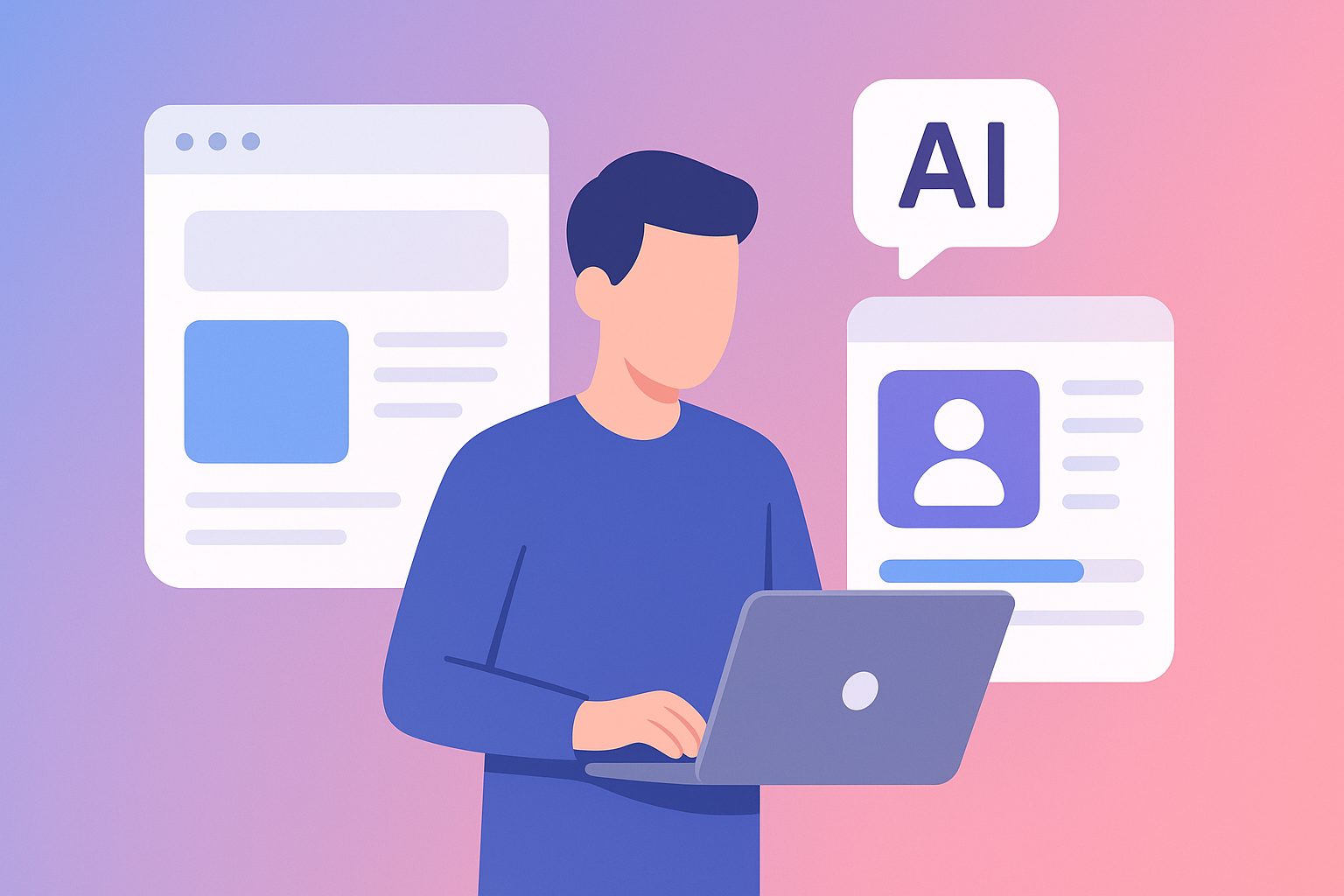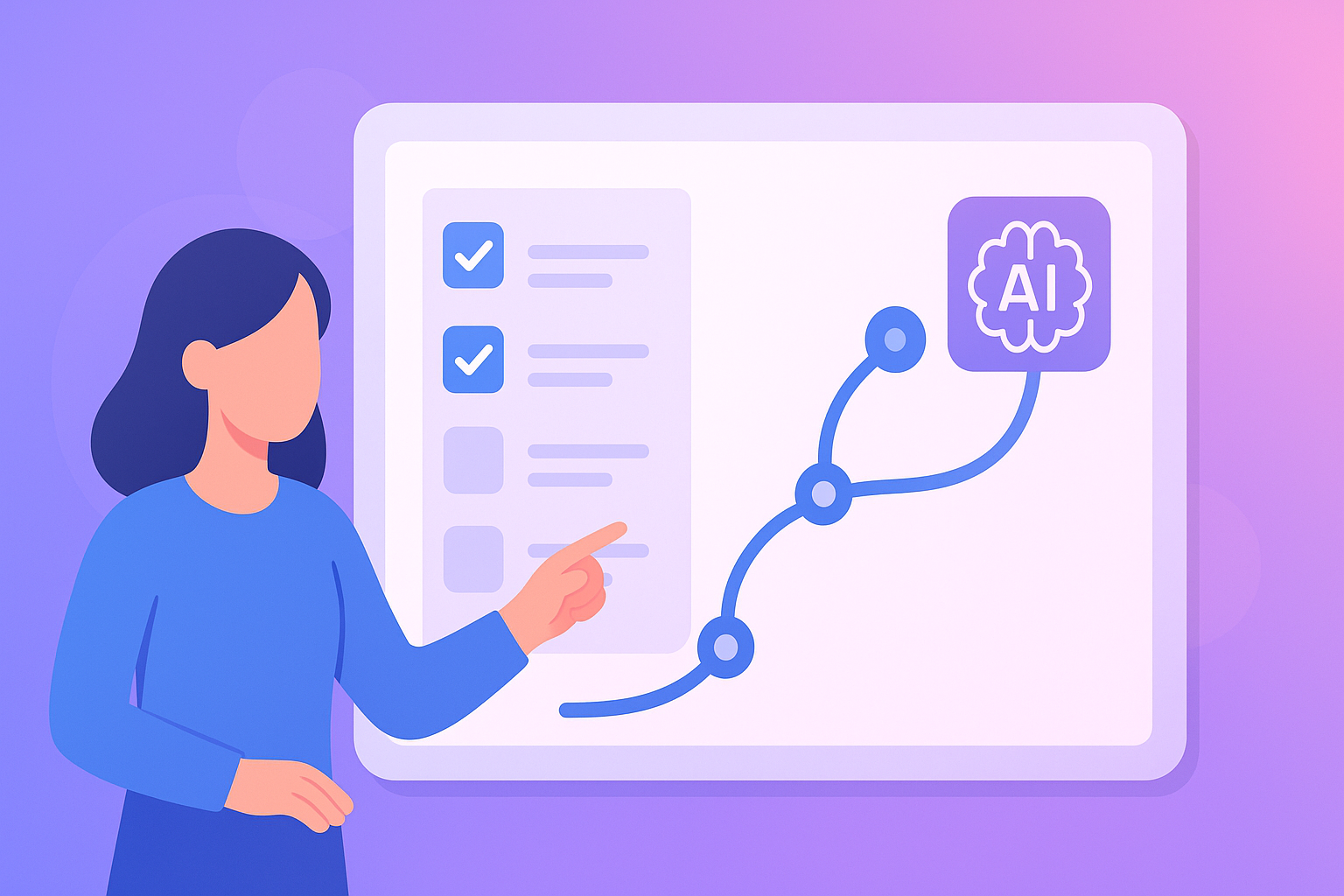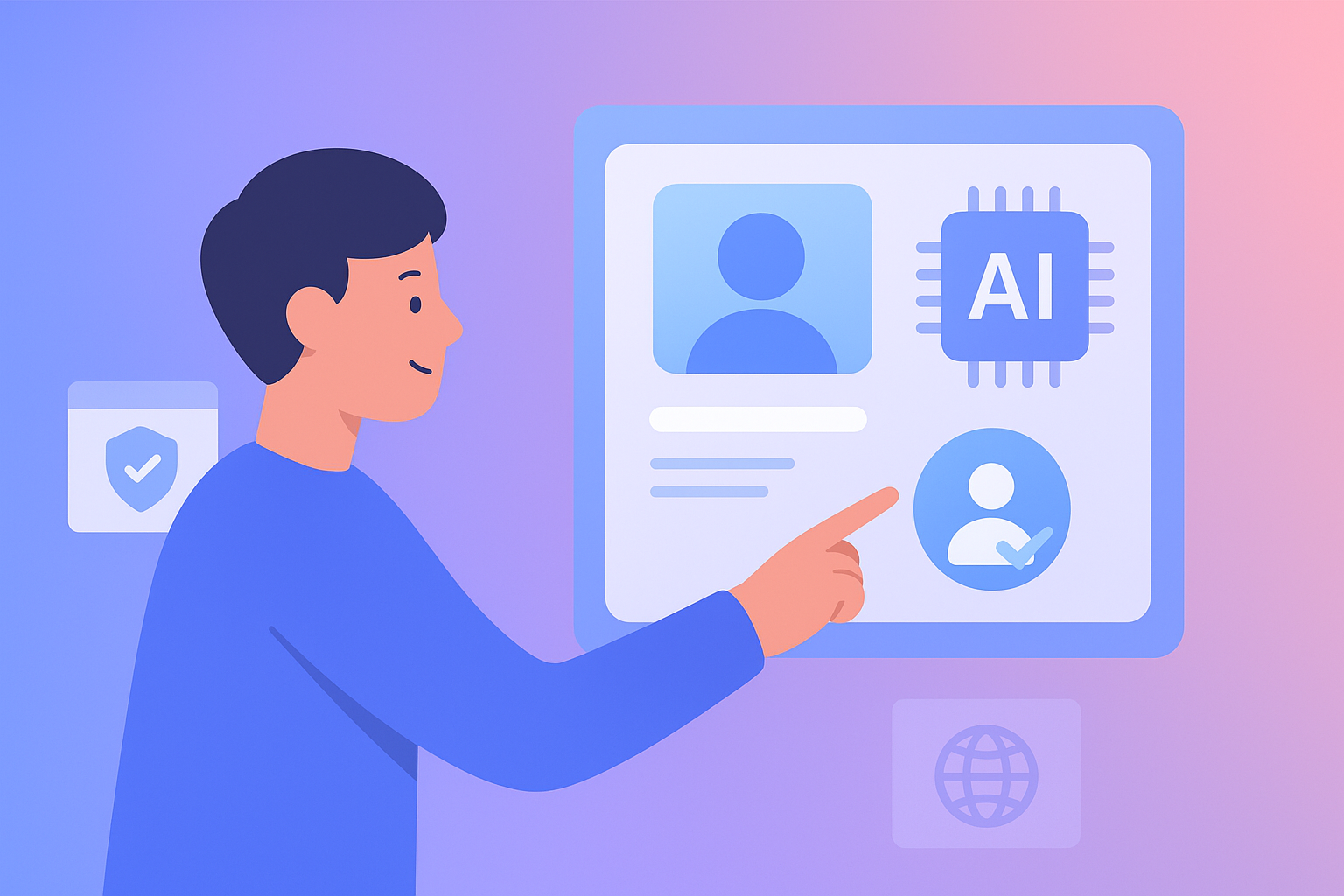

Online impersonation is no longer rare—it’s a daily risk. From fake profiles to AI-generated personas, it has become increasingly difficult to know whether the person behind a screen is real. Understanding how impersonation works, and how to counter it, is now essential for maintaining online trust and digital identity.
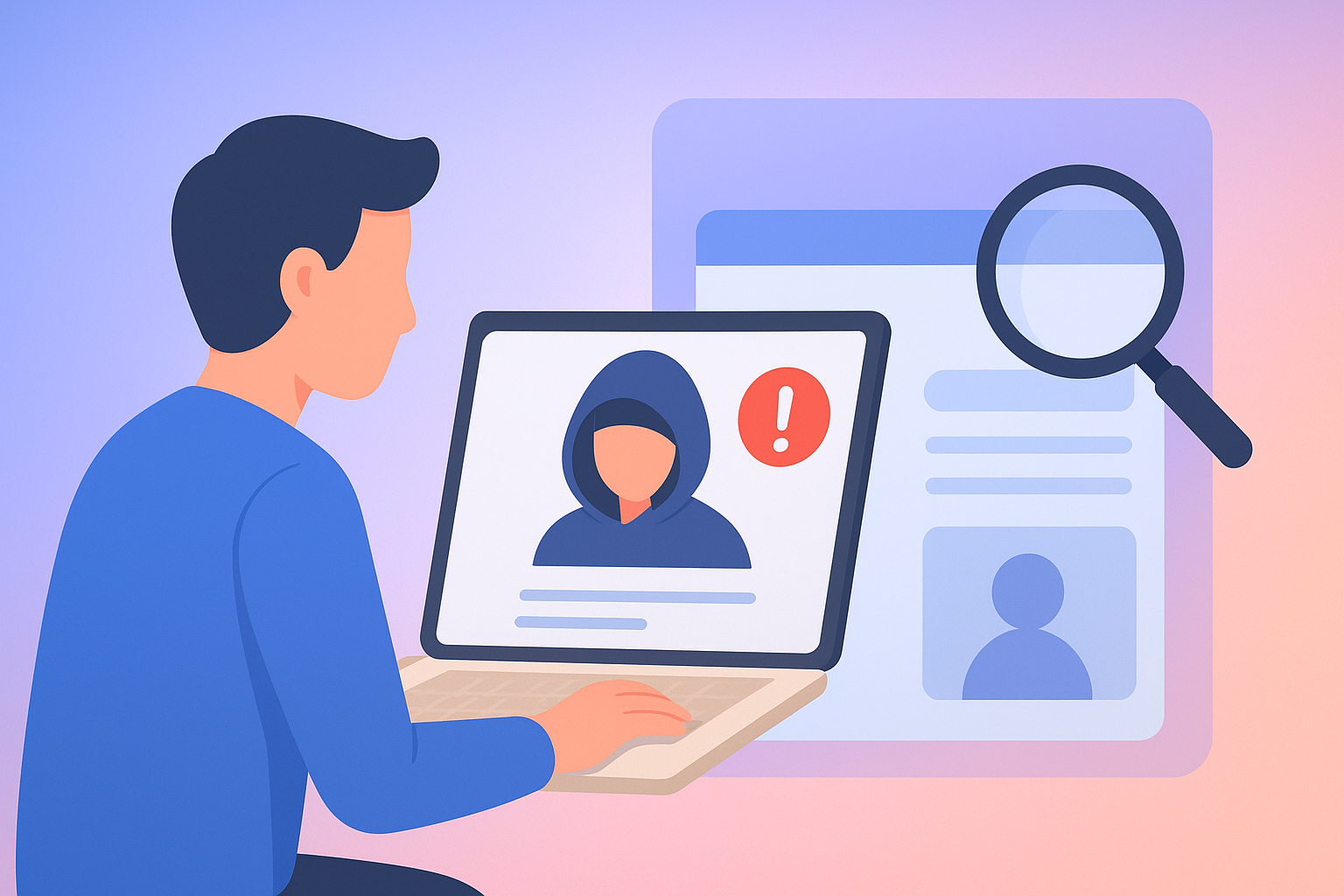
As more interactions move online, individuals and organisations face growing exposure to deception. The rise of AI tools has made impersonation faster, cheaper, and far more convincing, increasing the urgency for reliable verification methods.
What is Online Impersonation?
Online impersonation occurs when someone falsely presents themselves as another person in digital spaces. This can involve cloned social media accounts, fraudulent emails, or even AI-generated images and videos designed to mimic a real individual.
Unlike traditional fraud, impersonation often targets trust rather than systems. Attackers aim to exploit relationships, reputation, or authority, making their actions harder to detect and more psychologically persuasive.
Common forms include:
- Fake social media profiles posing as public figures or professionals
- Email spoofing designed to appear from trusted sources
- AI-generated content imitating a real person’s likeness
- Messaging scams targeting followers, clients, or colleagues
The consequences can be significant, ranging from reputational damage to financial loss, with victims often unaware until harm has already occurred.
The Rise of AI-Driven Impersonation
The scale and sophistication of impersonation have grown rapidly due to artificial intelligence. Tools that generate realistic images, voices, and videos have lowered the barrier to creating convincing fake identities.
AI-generated impersonation introduces a new level of uncertainty. A profile image, once considered a basic signal of authenticity, can no longer be trusted on its own.
This shift has created a fundamental problem: how do you prove that a real human is behind a digital identity? Without reliable signals of authenticity, trust becomes fragile across social platforms, marketplaces, and professional networks.
For a deeper understanding of how AI contributes to digital identity risks, explore AI and digital identity risks, where the broader implications are examined in detail.
Why Traditional Verification Falls Short
Many existing identity verification methods rely on static information—documents, images, or credentials. While useful in controlled environments, these approaches do not address the dynamic nature of online impersonation.
Static identity checks can be copied, forged, or reused. A profile photo can be downloaded and reposted, and personal details can be easily replicated across platforms.
Key limitations include:
- No proof of real-time human presence
- Reliance on easily duplicated assets
- Lack of public, verifiable records
- Limited transparency for third parties
This creates a gap between claiming an identity and proving it in a meaningful way. As impersonation tactics evolve, verification must shift from static data to evidence of real human interaction.
How Identity Verification Helps Prevent Impersonation
Effective identity verification introduces friction for impersonators while providing clarity for genuine users. It focuses not just on who someone claims to be, but whether a real person was present during a verification event.
This is where biometric liveness verification becomes valuable. Instead of relying on stored data, it captures a moment in time where a user actively proves they are human.
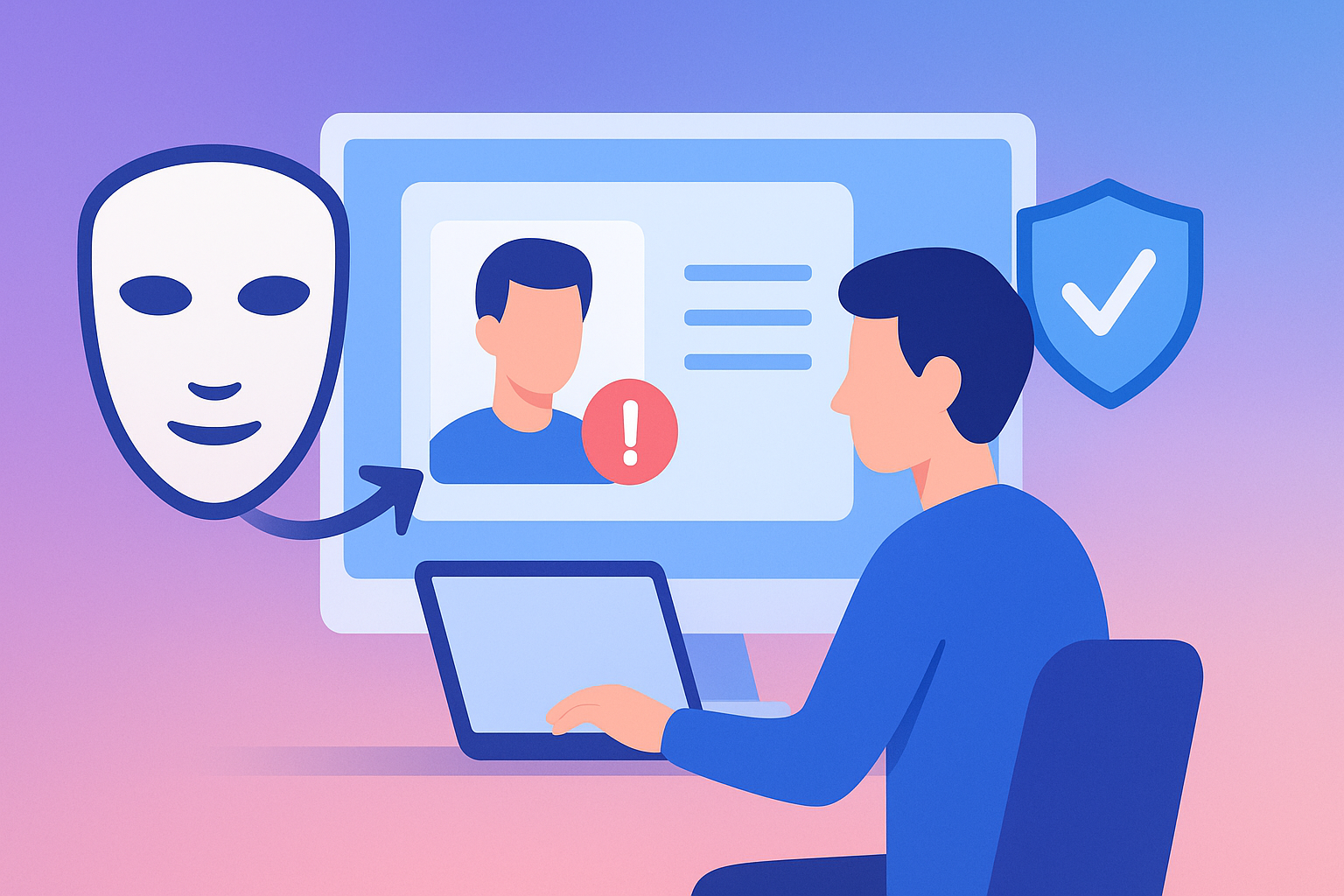
PRVEN applies this approach by creating a public proof record of a verification event. Rather than storing biometric data, it records that a verification took place, along with key metadata such as timestamp and verification outcome.
This model offers several advantages:
- Proof that a real human was present
- No long-term storage of biometric data
- A shareable, publicly accessible verification record
- Reduced ambiguity in digital identity
If you want to understand how this differs from traditional systems, see protecting your online presence with identity verification for further context.
The Role of Public Proof in Digital Trust
One of the core challenges in addressing impersonation is transparency. Private verification checks may confirm identity internally, but they do little to build trust externally.
Public proof records change this dynamic by allowing others to independently verify that a biometric verification event occurred. This creates a shared reference point for trust without exposing sensitive data.
With PRVEN, each verification generates a unique record that can be shared عبر a public page. This record includes verification details such as timestamp and verification status, but does not reveal or store full biometric information.
This approach helps:
- Establish credibility across platforms
- Reduce reliance on unverifiable claims
- Provide consistent identity signals
- Strengthen trust between audiences and individuals
Importantly, PRVEN does not guarantee identity or behaviour. Instead, it provides a trusted record that a verification event took place, helping others make more informed judgements.
Practical Steps to Reduce Impersonation Risk
While technology plays a key role, individuals and organisations should also adopt proactive habits to minimise exposure to impersonation threats.
Effective actions include:
- Regularly monitoring online profiles and mentions
- Using consistent usernames and branding across platforms
- Sharing verified links rather than relying on search results
- Educating audiences on how to identify legitimate accounts
- Using identity verification tools to provide proof of authenticity
Verification becomes especially important for those with a public presence. Creators, professionals, and public figures are frequent targets because their identity carries influence and trust.
By creating a verifiable record through PRVEN identity verification, individuals can offer a clear signal that they have undergone a biometric verification event.
The Future of Identity in a Digital World
As impersonation techniques continue to evolve, the concept of identity itself is shifting. It is no longer enough to claim authenticity—users increasingly need to demonstrate it.
Digital identity verification will play a central role in shaping safer online environments. Systems like PRVEN represent a move towards privacy-focused solutions that prioritise proof over data storage.
This approach aligns with growing concerns around data security and surveillance. By avoiding biometric storage and focusing on verification events, PRVEN offers a way to build trust without compromising privacy.
The result is a more balanced model: one that addresses impersonation risks while respecting user control and data minimisation.
Conclusion: Strengthening Trust Through Verification
Online impersonation is not just a technical issue—it is a trust problem. As digital interactions increase, so does the need for reliable ways to confirm authenticity.
Identity verification, particularly through biometric liveness and public proof records, provides a meaningful response. It introduces evidence where uncertainty once existed, helping individuals and audiences navigate digital spaces with greater confidence.
PRVEN contributes to this shift by offering a simple, privacy-focused way to prove that a real human was present during a verification event. It does not claim to eliminate impersonation, but it helps reduce the ambiguity that enables it.
Verify Your Identity with PRVEN
As fraud, impersonation, and AI-generated misuse become more common online, proving that you are real is becoming increasingly important. PRVEN helps you create a trusted verification record that others can rely on.