
AI deepfake technology is transforming how digital content is created and consumed, raising urgent questions about trust, authenticity, and security. As these synthetic creations become increasingly convincing, understanding what an AI deepfake is and how to protect against it has never been more important.
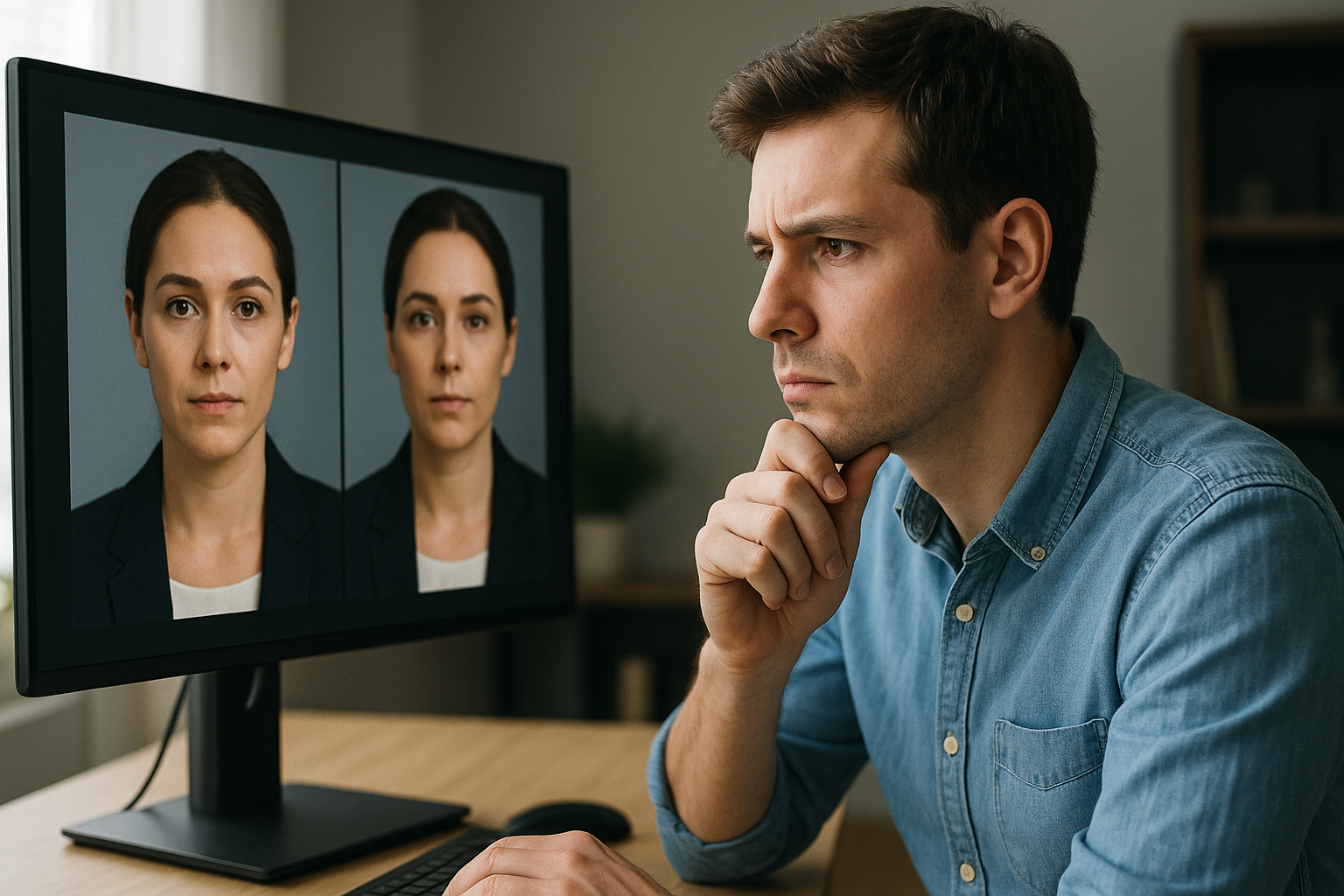
From viral fake videos to cloned voices used in scams, deepfake technology is no longer a futuristic concern but a present-day challenge. Individuals and organisations alike must be equipped with knowledge and tools to mitigate the risks associated with these highly realistic fabrications.
What is an AI Deepfake?
An AI deepfake refers to media—typically video, audio, or images—that has been digitally manipulated using artificial intelligence to convincingly alter a person’s likeness. By leveraging machine learning models, particularly deep learning techniques, these creations can make it appear as though someone said or did something they never actually did.
The term “deepfake” combines “deep learning” and “fake”, reflecting the technology behind it. Algorithms analyse vast amounts of real data, such as facial expressions or voice recordings, to build highly accurate simulations. This enables the creation of content that is often indistinguishable from genuine recordings, posing serious risks to truth and authenticity.
While deepfakes have legitimate uses in entertainment and education, their misuse in misinformation campaigns, fraud, and impersonation has made them a growing concern globally.
The Rising Threat of Deepfake Technology
The rapid advancement of artificial intelligence has made deepfake tools more accessible than ever. What once required advanced technical expertise can now be achieved with user-friendly software, increasing the likelihood of misuse. This accessibility has led to a surge in malicious deepfake content circulating online.
One of the most significant dangers is the ability of deepfakes to spread misinformation. Fabricated videos of public figures can influence opinions, disrupt elections, and damage reputations within hours. In the corporate world, deepfake audio has been used to mimic executives’ voices, leading to fraudulent financial transactions.
Common risks associated with deepfakes include:
- Identity theft and impersonation
- Financial fraud through voice cloning
- Reputational damage to individuals and brands
- Manipulation of public perception and trust
As these threats evolve, it becomes essential to adopt proactive measures that safeguard against digital deception and ensure content credibility.
How Identity Verification Helps Prevent Impersonation
In an era where seeing is no longer believing, identity verification has emerged as a critical defence against deepfake-driven impersonation. By confirming that a person is genuinely who they claim to be, verification systems help establish trust in digital interactions.
Modern identity verification methods often combine biometric checks, document validation, and real-time authentication processes. These layers of security make it significantly harder for fraudsters to use deepfake technology successfully. For example, liveness detection can identify whether a submitted video or image is genuine or artificially generated.

Key benefits of robust identity verification include:
- Reduced risk of impersonation and fraud
- Enhanced trust between users and organisations
- Improved regulatory compliance
- Protection of sensitive personal and financial data
By integrating secure verification systems, organisations can create a safer digital environment and limit the effectiveness of deepfake attacks.
Recognising and Mitigating Deepfake Risks
Although deepfakes are becoming increasingly sophisticated, there are still ways to identify potential red flags. Subtle inconsistencies in facial movements, lighting, or audio synchronisation can indicate manipulated content. However, as technology improves, human detection alone is no longer sufficient.
To effectively combat deepfakes, a combination of awareness and technological solutions is required. Organisations should invest in tools that detect synthetic media while also educating users about potential threats. Digital literacy plays a crucial role in helping individuals question and verify suspicious content.
Practical steps to mitigate risks include:
- Using trusted platforms for communication and transactions
- Implementing multi-factor authentication
- Regularly updating security protocols
- Training employees to recognise social engineering tactics
By combining vigilance with advanced detection technologies, it is possible to reduce the impact of AI-generated deception significantly.
The Future of Digital Trust and Security
As artificial intelligence continues to evolve, so too will the sophistication of deepfakes. This ongoing development underscores the importance of building resilient systems that prioritise digital trust and authenticity. Governments, businesses, and technology providers must collaborate to establish standards and frameworks that address these emerging threats.
Innovations in identity verification, such as decentralised identity systems and blockchain-based credentials, are paving the way for more secure online interactions. These solutions give individuals greater control over their personal data while ensuring that verification processes remain reliable and tamper-proof.
Ultimately, the fight against deepfakes is not just about technology but also about fostering a culture of awareness and responsibility. By staying informed and adopting robust security practices, individuals and organisations can better navigate the challenges of an increasingly digital world.
Understanding what an AI deepfake is and taking proactive steps to counter its risks is essential for maintaining trust, protecting identities, and ensuring the integrity of digital content in the years ahead.
Verify Your Identity with PRVEN
As fraud, impersonation, and AI-generated misuse become more common online, proving that you are real is becoming increasingly important. PRVEN helps you create a trusted verification record that others can rely on.