
AI impersonation scams are no longer fringe cyber threats—they are highly convincing, emotionally manipulative schemes capable of deceiving even cautious individuals. As these scams grow more sophisticated, understanding how they work and how to defend against them is essential for both individuals and organisations.
What Are AI Impersonation Scams and Why They Matter
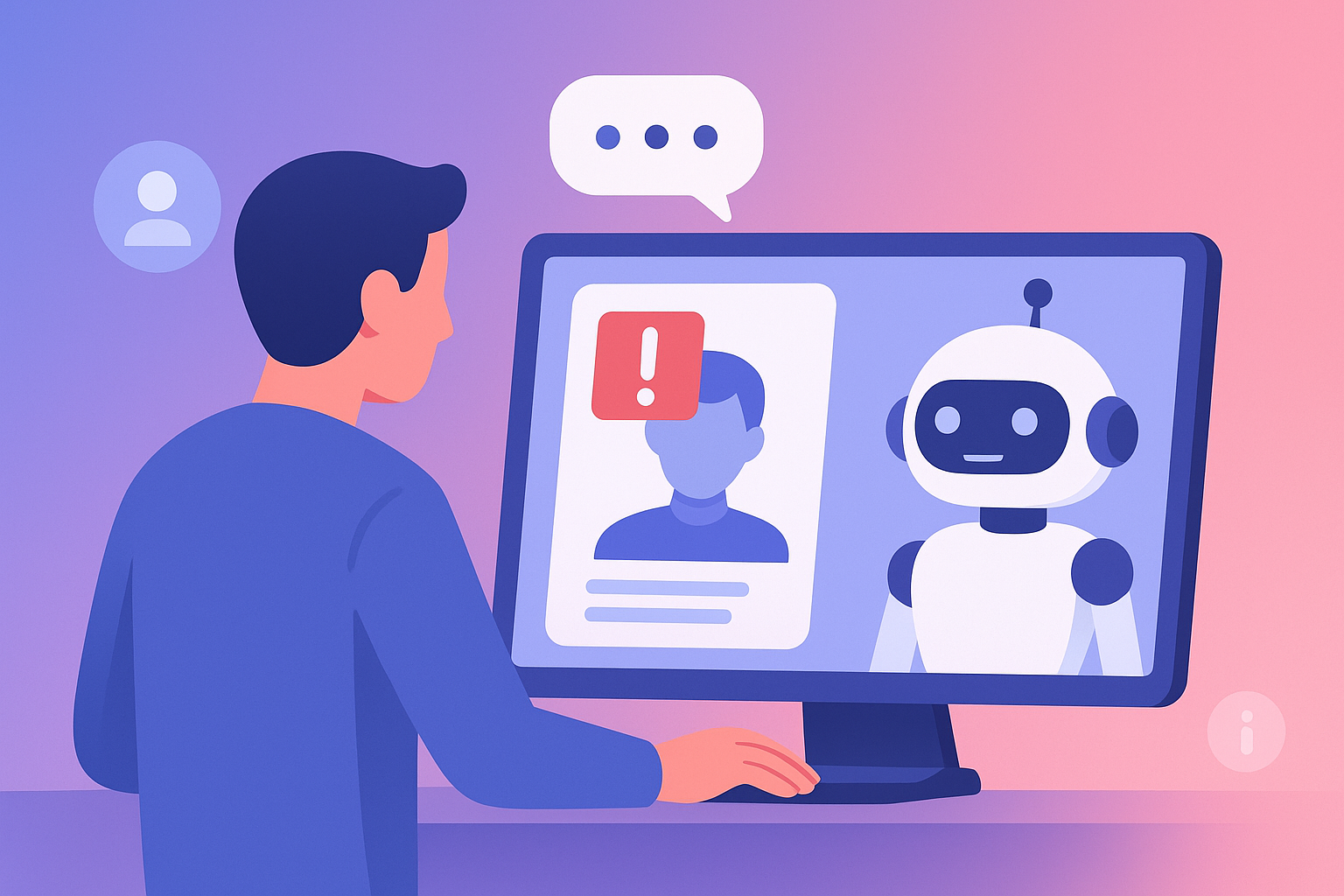
At their core, AI impersonation scams involve the use of artificial intelligence to create fake identities that appear real and trustworthy. These may include cloned voices, deepfake videos, or fabricated profiles on social media platforms designed to mimic real people with alarming accuracy.
Fraudsters often target emotional vulnerabilities—posing as colleagues, loved ones, or authority figures—to manipulate victims into transferring money or sharing sensitive information. The real-world consequences range from financial loss to reputational damage, making awareness and prevention critical.
What makes these scams particularly dangerous is the speed at which technology evolves. Tools that once required technical expertise are now widely accessible, allowing criminals to scale their operations rapidly and convincingly.
How Scammers Use AI to Build Convincing Identities
Modern scammers rely on a combination of data harvesting and AI tools to construct believable personas. By collecting publicly available information, they can replicate behaviour patterns, communication styles, and even personal histories.
These techniques often include deepfake technology to generate realistic video or audio, alongside AI-generated text that mimics human conversation. The result is a highly convincing digital identity that can fool even experienced users.
Common tactics used in AI-driven scams include:
- Imitating executives or colleagues to request urgent payments
- Creating fake romantic profiles to build emotional connections
- Cloning voices to simulate distress calls from family members
- Using chatbots that adapt responses in real time
These methods rely heavily on psychological manipulation, reinforcing the importance of verifying identities before taking action.
The Critical Role of Identity Verification in Preventing Fraud
Identity verification is one of the most effective ways to counter AI impersonation scams. By confirming that a person is genuinely who they claim to be, individuals and businesses can reduce exposure to fraud.
This process involves validating credentials through trusted systems, often combining document checks, biometric data, and secure authentication methods. The goal is to establish a verifiable digital identity that cannot be easily replicated by scammers.
Platforms like PRVEN offer solutions designed to make identity verification more accessible and reliable. By using services such as https://identity.prven.org, users can create a trusted digital record that helps others confirm their authenticity with confidence.
This added layer of protection not only prevents fraud but also enhances trust in online interactions, which is increasingly valuable in a digital-first world.
Key Warning Signs of AI-Driven Impersonation Attempts
Recognising the signs of a scam is essential in avoiding becoming a victim. While AI impersonation scams can be highly convincing, there are still subtle indicators that something may be wrong.
Look out for unexpected urgency, especially when requests involve money or sensitive information. Scammers often create pressure to prevent victims from verifying details.
Additional warning signs include:
- Messages that slightly deviate from a person’s usual tone or style
- Requests that bypass standard procedures or security checks
- Inconsistencies in video or audio quality during calls
- Profiles with limited history or suspicious activity
Even when everything appears legitimate, it is wise to pause and verify through an independent channel. A quick confirmation can prevent significant consequences.
Best Practices to Protect Yourself and Your Organisation
Prevention starts with adopting practical habits that minimise risk. By combining awareness with the right tools, individuals and organisations can build strong defences against impersonation attacks.
One of the most effective strategies is implementing multi-layered security measures. This includes identity verification, secure communication channels, and regular training to recognise potential threats.
Consider the following best practices:
- Always verify identity before acting on sensitive requests
- Use secure platforms with built-in authentication features
- Educate employees and family members about common scams
- Limit the amount of personal information shared publicly
These measures create a proactive defence system that significantly reduces the likelihood of falling victim to AI-driven deception.

The Future of Digital Trust and Online Safety
As AI continues to advance, the line between real and fake will become increasingly blurred. This makes digital trust a central pillar of online interaction, requiring both technological solutions and behavioural changes.
Identity verification will play an expanding role in this future, acting as a foundation for secure communication, transactions, and relationships. Organisations that prioritise verification will be better positioned to protect their users and maintain credibility.
At the same time, individuals must remain vigilant and informed. Understanding how AI impersonation scams work empowers people to make safer decisions and avoid manipulation.
Conclusion: Staying One Step Ahead of AI Impersonation Scams
AI impersonation scams are becoming more sophisticated, but they are not unbeatable. With the right combination of awareness, scepticism, and verification, it is possible to stay ahead of these threats.
By embracing identity verification tools and adopting safer online habits, individuals and organisations can protect themselves from deception and build a more secure digital environment.
Ultimately, trust should never be assumed—it should be verified. Taking that extra step can make all the difference in avoiding costly and damaging scams.
Verify Your Identity with PRVEN
As fraud, impersonation, and AI-generated misuse become more common online, proving that you are real is becoming increasingly important. PRVEN helps you create a trusted verification record that others can rely on.