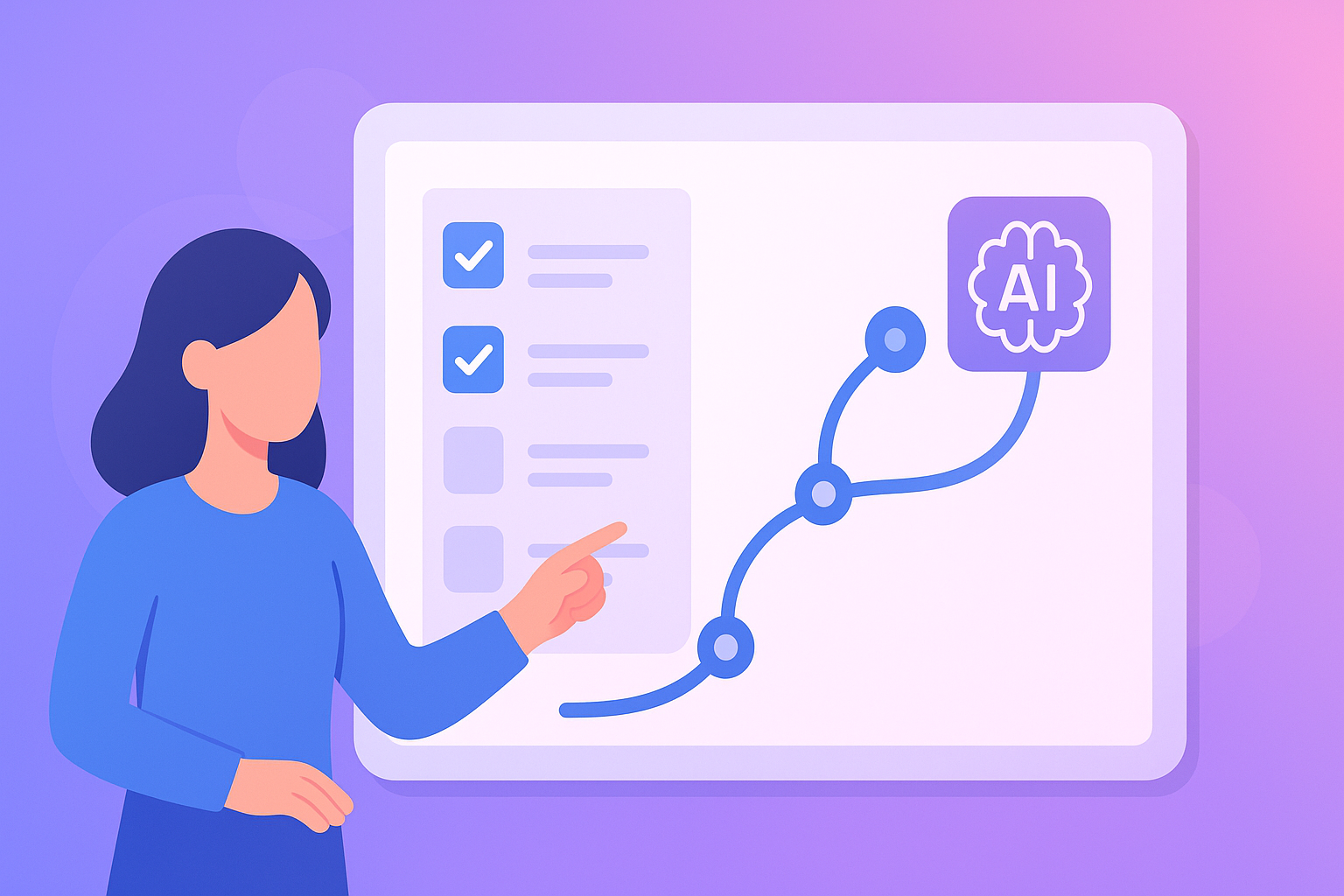

AI-driven identity fraud is no longer a distant threat—it is already influencing how criminals impersonate individuals, manipulate systems, and exploit digital trust. As artificial intelligence becomes more accessible, the tools used to deceive are growing more convincing and harder to detect, putting both individuals and organisations at greater risk.
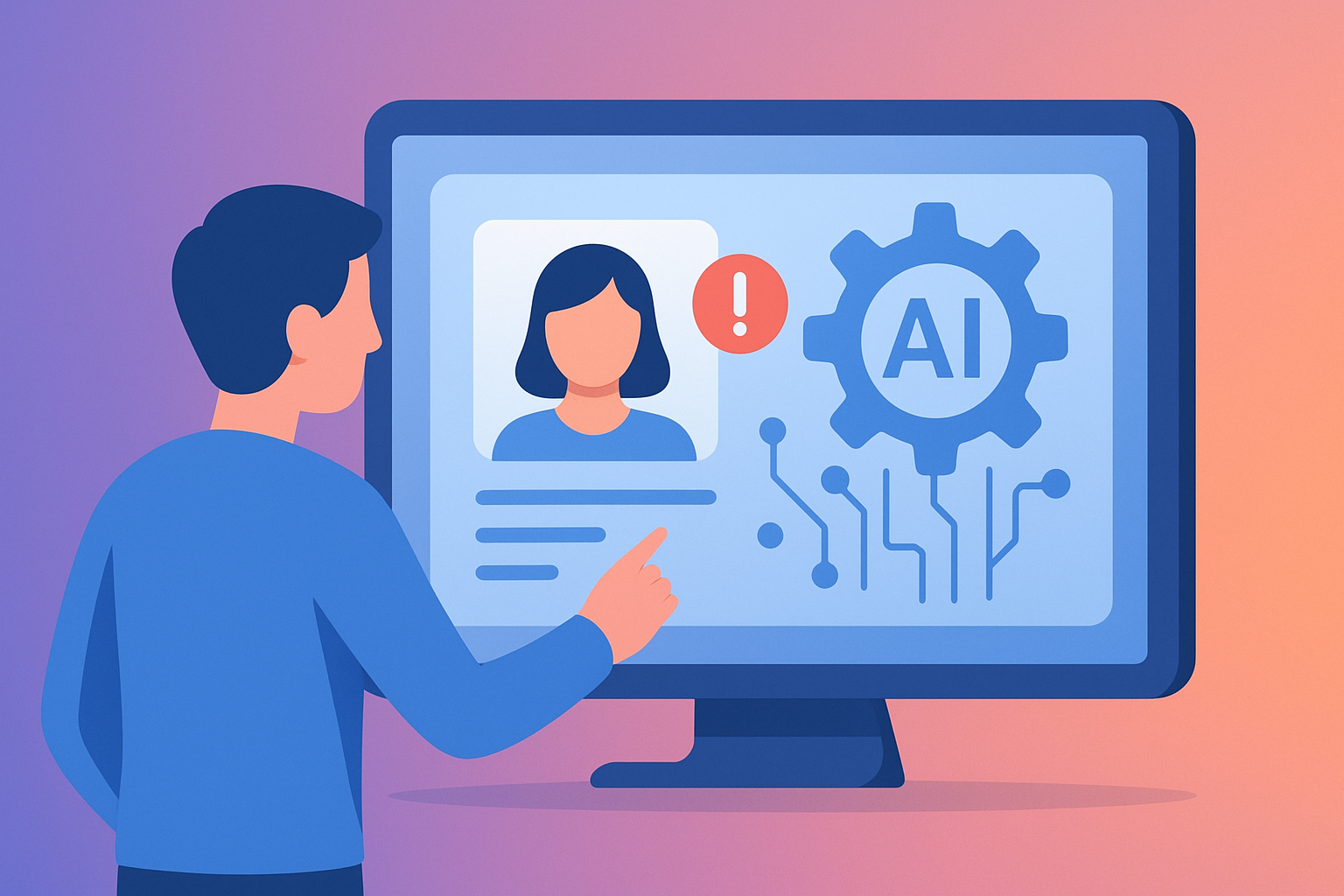
The Rise of AI-Driven Identity Fraud
AI-driven identity fraud refers to the use of artificial intelligence tools to create, manipulate, or mimic identities for malicious purposes. These techniques include deepfake videos, synthetic identities, voice cloning, and automated phishing attacks that are far more sophisticated than traditional scams.
Fraudsters now rely on machine learning models to generate highly realistic personal data, making it difficult for conventional security systems to differentiate between genuine and fake users. This shift has significantly increased the scale and success rate of identity-based attacks across industries.
What makes this threat particularly concerning is its scalability and precision. AI allows attackers to automate fraud at a level never seen before, targeting thousands of individuals simultaneously while maintaining a convincing level of personalisation.
How AI Is Used to Create Fake Identities
Understanding how fraudsters operate is essential to recognising vulnerabilities. AI technologies enable the creation of identities that appear entirely legitimate, often combining real and fabricated data to avoid detection.
Synthetic Identity Creation
Synthetic identities blend real information, such as a valid address, with fabricated details like names or dates of birth. These identities can pass basic verification checks while remaining untraceable to a real individual, making them a powerful tool for financial fraud.
Deepfakes and Biometric Manipulation
AI-generated deepfakes allow criminals to replicate facial features, voice patterns, and even behavioural traits. These can be used to bypass biometric authentication systems or impersonate individuals in video calls and recordings.
Automated Phishing and Social Engineering
AI-driven systems can analyse social media and online data to craft highly personalised phishing messages. This level of customisation increases the likelihood of victims trusting fraudulent communications and revealing sensitive information.
- AI can generate realistic identity documents
- Voice cloning enables convincing phone scams
- Deepfakes can bypass visual verification systems
- Automated scripts scale attacks rapidly
Why Traditional Security Measures Are Struggling
Many existing security systems were not designed to combat AI-powered threats. Passwords, security questions, and even basic biometric checks are increasingly vulnerable to manipulation.
For example, static verification methods rely on information that can be easily replicated or stolen. AI tools can reconstruct identity details from publicly available data, rendering these measures ineffective.
Additionally, organisations often prioritise user convenience, which can lead to weaker verification processes. This creates an environment where fraudsters can exploit gaps without triggering alarms.
The speed at which AI evolves also means that security systems are frequently playing catch-up, leaving a critical window where vulnerabilities remain exposed.

The Critical Role of Identity Verification
In response to these threats, robust identity verification has become a cornerstone of digital security. Rather than relying solely on static data, modern verification methods incorporate multiple layers of validation to ensure authenticity.
Effective identity verification systems use a combination of biometric analysis, document verification, and behavioural monitoring. This multi-layered approach makes it significantly harder for fraudsters to succeed.
Platforms such as PRVEN are helping to redefine how individuals prove their identity online. By creating a trusted verification record, users can demonstrate authenticity in a secure and verifiable way.
This approach not only protects individuals but also enables organisations to establish greater trust in digital interactions, reducing the risk of fraud and reputational damage.
Best Practices for Preventing Identity Fraud
Preventing AI-driven identity fraud requires a proactive and adaptive strategy. Both individuals and organisations must take steps to strengthen their defences against evolving threats.
Strengthening Verification Processes
Implementing multi-factor authentication and advanced biometric checks can significantly improve security. These measures ensure that identity verification goes beyond easily duplicated information.
Monitoring and Detection
Continuous monitoring of user behaviour can help detect anomalies that indicate fraudulent activity. AI can also be used defensively to identify patterns associated with identity fraud.
User Awareness and Education
Educating users about common tactics used in AI-powered scams is essential. Awareness reduces the likelihood of individuals falling victim to social engineering attacks.
- Use strong, unique passwords across platforms
- Enable multi-factor authentication wherever possible
- Be cautious of unsolicited communications
- Regularly review account activity for suspicious behaviour
The Future of Identity and Trust
The battle between fraudsters and security systems is becoming increasingly complex. As AI continues to advance, so too will the methods used to exploit identities. However, this also presents an opportunity to innovate and strengthen digital trust.
Emerging technologies are focusing on decentralised identity systems, blockchain verification, and AI-powered fraud detection. These solutions aim to give individuals more control over their personal data while ensuring authenticity in digital interactions.
Organisations that invest in advanced identity verification today will be better positioned to handle future threats. Building trust is no longer optional—it is a fundamental requirement in a digital-first world.
Conclusion: Staying Ahead of AI-Driven Identity Fraud
AI-driven identity fraud represents a significant shift in how digital threats operate. Its ability to create convincing, scalable, and adaptive attacks makes it one of the most pressing challenges in cybersecurity today.
By adopting advanced identity verification methods, raising awareness, and leveraging innovative technologies, individuals and organisations can better protect themselves against deception. The key lies in staying informed and proactive, rather than reactive.
Ultimately, safeguarding identity in the age of AI is about building systems that prioritise trust, transparency, and resilience against ever-changing threats.
Verify Your Identity with PRVEN
As fraud, impersonation, and AI-generated misuse become more common online, proving that you are real is becoming increasingly important. PRVEN helps you create a trusted verification record that others can rely on.