
Proving you are human online has shifted from a minor inconvenience to a critical safeguard in today’s connected world. As digital interactions increase, so does the risk of deception, making identity verification an essential line of defence for individuals and organisations alike.
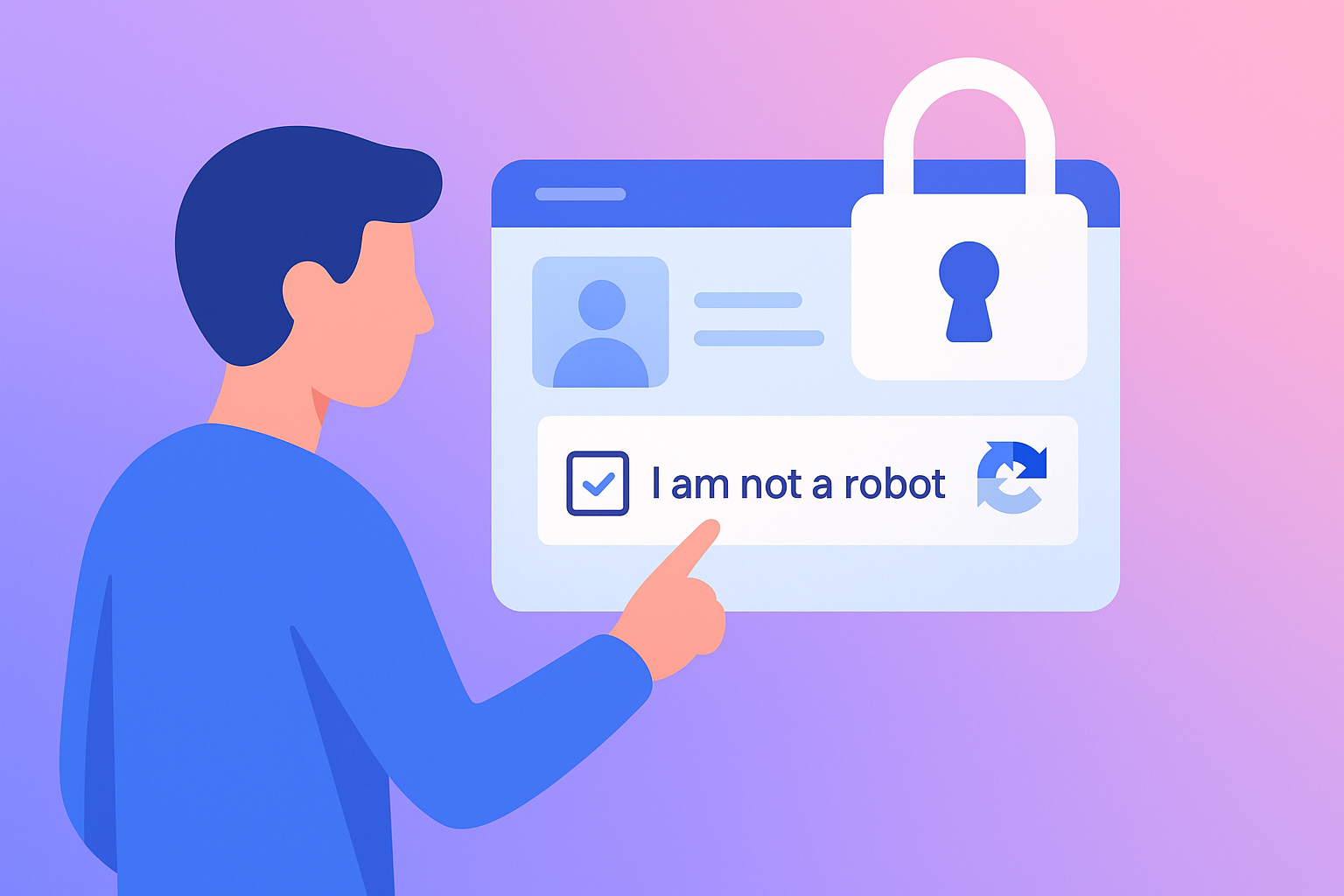
The Growing Importance of Proving You Are Human
As artificial intelligence and automation become more sophisticated, distinguishing between real users and bots is increasingly difficult. The need for proving you are human is no longer limited to simple CAPTCHA tests; it now plays a vital role in maintaining trust across digital platforms.
Cybercriminals exploit gaps in identity systems to impersonate others, gain unauthorised access, and commit fraud. Without reliable verification methods, online ecosystems become vulnerable to misuse. This makes robust identity checks essential not just for security, but also for preserving confidence in online communication and transactions.
How Identity Verification Strengthens Digital Security
Identity verification systems are designed to confirm that users are genuinely who they claim to be. These systems combine document checks, biometric data, and behavioural analysis to ensure authenticity. By implementing layered verification processes, organisations significantly reduce the risk of fraudulent activities.
When users verify their identity, it creates a secure environment where sensitive data and financial transactions are better protected. This is especially important in sectors such as banking, healthcare, and e-commerce, where trust is paramount.
For example, platforms that adopt advanced identity validation can detect unusual activity patterns and prevent access before damage occurs. This proactive approach makes identity verification a cornerstone of modern cybersecurity strategies.
Preventing Impersonation and Online Fraud
One of the most significant advantages of identity verification is its ability to combat impersonation. Fraudsters often rely on stolen personal information to pose as legitimate users. By implementing strict verification measures, organisations can prevent unauthorised access and protect user accounts.
Fraud prevention mechanisms such as multi-factor authentication and biometric verification add extra layers of security. These measures ensure that even if login credentials are compromised, additional checks will block fraudulent attempts.
Common risks reduced by identity verification include:
- Identity theft and account takeovers
- Financial fraud and unauthorised transactions
- Fake account creation and misuse
- Phishing and social engineering attacks
By addressing these threats, identity verification helps maintain a safer and more trustworthy digital environment.
The Role of Identity Verification in Building Trust
Trust is the foundation of any successful online interaction. Whether users are making purchases, sharing data, or communicating with others, they need assurance that the platform is secure. Verified identities provide that reassurance by reducing anonymity and increasing accountability.
When organisations prioritise identity verification, they demonstrate a commitment to user safety. This not only enhances reputation but also encourages user engagement and loyalty. People are more likely to interact with platforms where they feel protected.
Solutions such as PRVEN, available at https://identity.prven.org, allow individuals to create trusted verification records. These records can be used across multiple platforms, reducing friction while maintaining high security standards.
Key Methods Used to Verify Human Identity
Modern identity verification combines several technologies to ensure accuracy and reliability. Each method contributes to a comprehensive system designed to confirm authenticity while minimising user inconvenience.
Document Verification
Document-based verification involves checking official identification, such as passports or driving licences. Advanced systems can detect forged or altered documents, ensuring legitimacy.
Biometric Authentication
Biometric data, including facial recognition and fingerprint scanning, provides a highly secure way to confirm identity. These methods rely on unique physical traits, making them difficult to replicate or steal.
Behavioural Analysis
Behavioural verification monitors patterns such as typing speed, device usage, and login habits. This helps detect suspicious activity even when credentials appear valid.
Combining these approaches creates a robust verification framework that adapts to evolving threats.
Balancing Security and User Experience
While strong security measures are essential, they must also be user-friendly. Overly complex verification processes can frustrate users and lead to abandonment. The challenge lies in achieving a balance between protection and accessibility.
Seamless verification experiences use intuitive interfaces and quick processes to minimise disruption. Technologies such as automatic document scanning and real-time biometric checks make verification faster and more convenient.
By prioritising both security and usability, organisations can protect their systems without compromising the user journey.
The Future of Digital Identity Verification
The future of identity verification will be shaped by advancements in artificial intelligence and decentralised technologies. These innovations will enable more secure, efficient, and privacy-focused systems.
Decentralised identity solutions allow users to control their own data, reducing reliance on centralised databases. This approach enhances privacy while maintaining strong verification standards.
At the same time, AI-driven systems will continue to improve accuracy in detecting fraud and impersonation. As threats evolve, so too will the methods used to counter them, ensuring that digital interactions remain secure.
Conclusion: Why Verifying Identity Matters More Than Ever
In a world where digital interactions dominate daily life, proving you are human is essential for maintaining security and trust. Identity verification protects against fraud, prevents impersonation, and ensures that online environments remain safe for everyone.
As technology continues to advance, the importance of reliable verification systems will only grow. By adopting robust solutions and staying aware of potential risks, individuals and organisations can confidently navigate the digital landscape.
Verify Your Identity with PRVEN
As fraud, impersonation, and AI-generated misuse become more common online, proving that you are real is becoming increasingly important. PRVEN helps you create a trusted verification record that others can rely on.