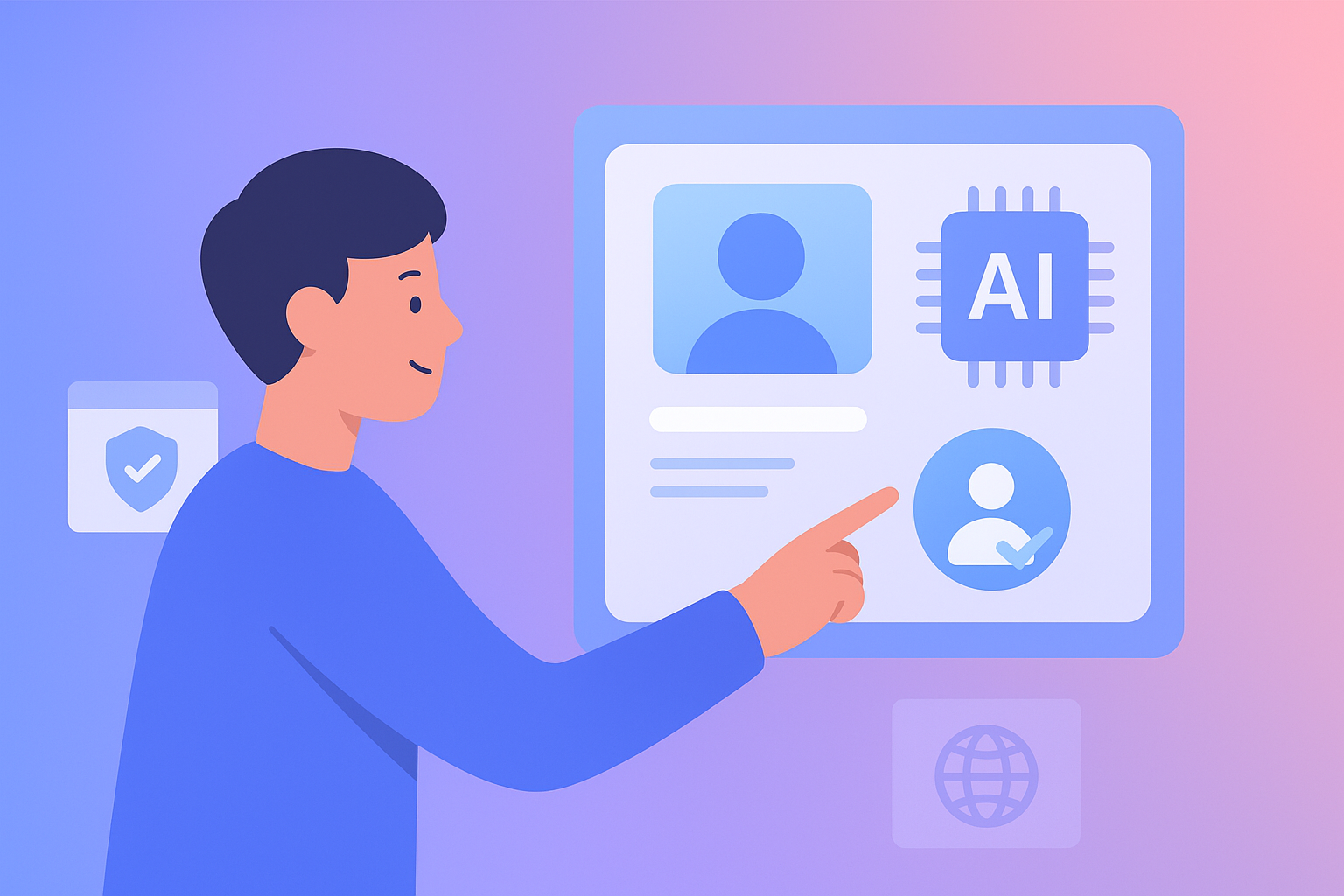

It’s no longer obvious whether the person behind a profile, message, or video is genuinely human. As AI-generated content becomes more convincing, the ability to prove you are human online is quickly becoming a key part of digital trust.
This shift is changing how we think about identity, credibility, and authenticity across the internet. Without reliable ways to verify human presence, uncertainty grows—and with it, the risk of impersonation and misuse.
Why “Prove You Are Human” Is Becoming Essential
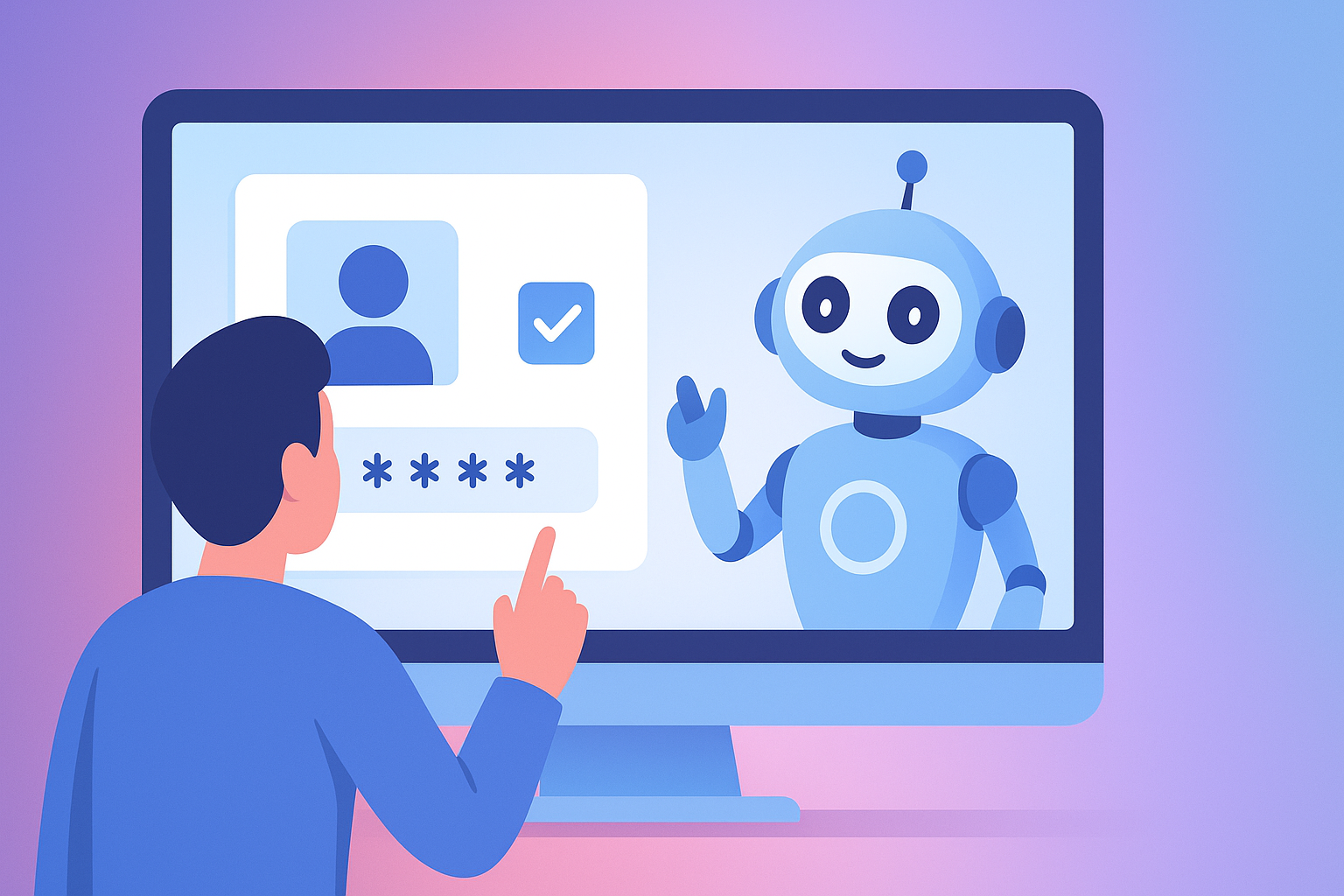
The phrase prove you are human has moved beyond simple CAPTCHA tests. Today, it reflects a deeper need to confirm that a real person was present during a specific interaction or moment in time.
With synthetic media, automated accounts, and impersonation becoming more common, traditional signals of authenticity – like profile pictures or follower counts – are no longer reliable. This creates a trust gap, especially for individuals building a public presence or engaging professionally online.
At its core, proving humanity isn’t about verifying everything someone does. It’s about establishing a clear, verifiable moment where a real human interaction took place.
The Role of Identity Verification in Online Trust
Identity verification plays a central role in restoring confidence in digital interactions. By confirming that a human was present during a verification event, platforms and individuals can reduce ambiguity without relying on intrusive data collection.
Modern approaches increasingly focus on biometric liveness verification, which ensures that the verification process involves a live human rather than a static image or synthetic input.
PRVEN is one example of how this can be implemented in a privacy-focused way. It enables users to complete a biometric liveness check and generate a public proof record of that verification event, without storing biometric data long-term. You can explore this approach directly at PRVEN.
This model shifts the focus from identity ownership to verification evidence—a subtle but important distinction that aligns with growing privacy expectations.
How Biometric Verification Confirms Human Presence
Biometric liveness verification works by analysing real-time input—such as facial movement or responsiveness—to confirm that a live person is present during the process.
Unlike static checks, this method reduces the risk of spoofing through photos, recordings, or AI-generated visuals. It creates a timestamped verification event that can later be referenced as proof.
Importantly, privacy-focused systems like PRVEN do not rely on storing full biometric data. Instead, they:
- Verify liveness in real time
- Generate a verification result with confidence and similarity scores
- Store only a hashed reference and minimal metadata
- Delete full images after processing
This approach ensures that users can prove a verification occurred without contributing to a centralised biometric database.
Reducing Impersonation Without Overreach
One of the biggest challenges online is balancing security with privacy. Many verification systems attempt to solve impersonation by collecting and storing large amounts of personal data, which introduces new risks.
PRVEN takes a different route by focusing only on what is necessary: evidence that a human verification event occurred. It does not track users, monitor behaviour, or attempt to enforce identity claims.
This distinction matters. It allows individuals to demonstrate authenticity without being locked into surveillance-heavy systems.
For those interested in how limiting identity duplication strengthens credibility, this concept is explored further here: limiting users to one verified identity.
From Verification to Public Proof
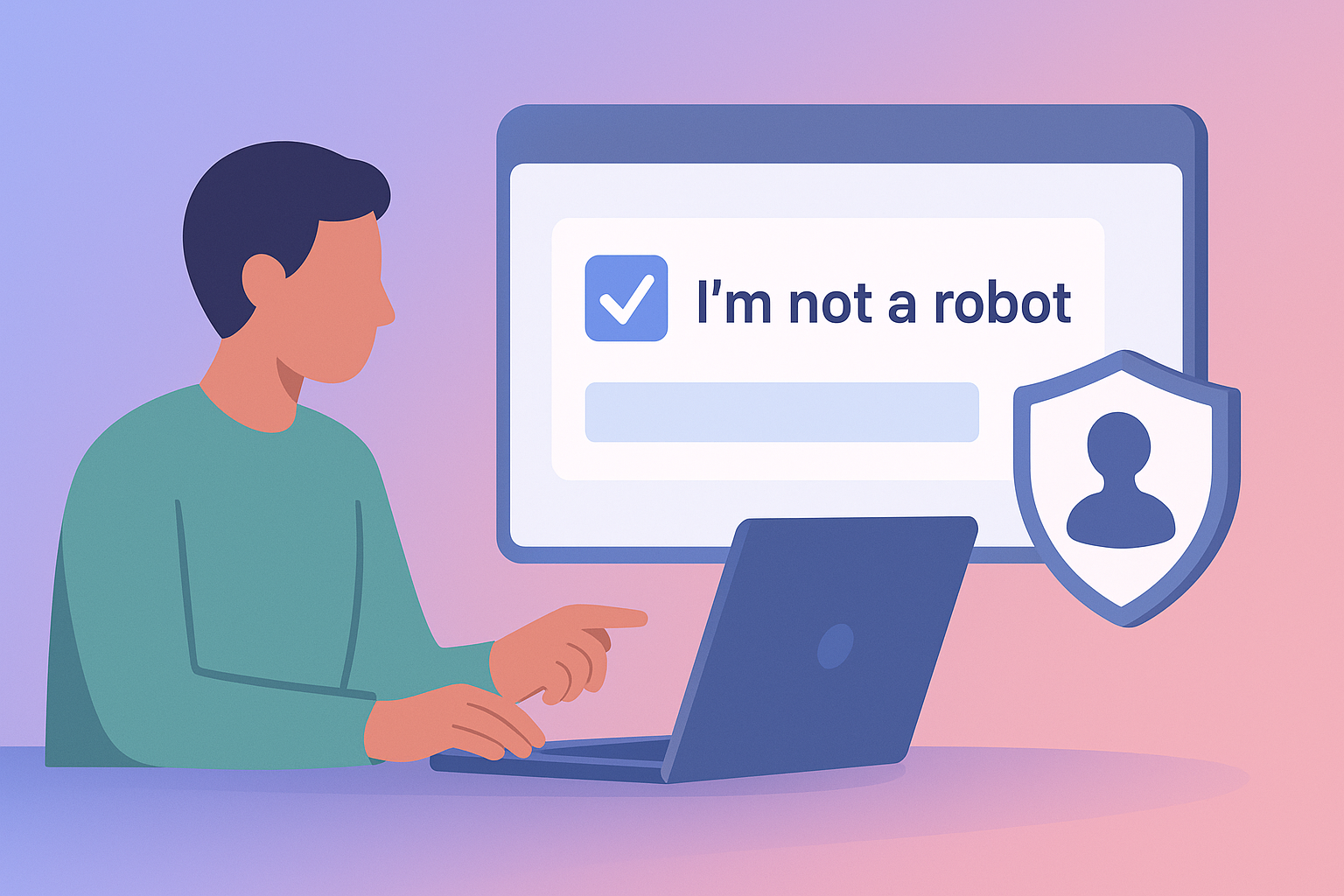
Verifying that you are human is only part of the solution. The next step is being able to demonstrate that verification to others in a clear and consistent way.
This is where the concept of a public proof record becomes important. After completing a verification event, users can generate a publicly accessible page that includes:
- A unique verification ID
- A timestamp of the event
- Verification status and confidence indicators
- Optional visual confirmation via thumbnail
This record acts as a reference point. It doesn’t claim to guarantee identity or behaviour, but it does provide evidence that a real human was verified at a specific moment.
In an environment where content can be generated instantly and at scale, that kind of anchored proof becomes increasingly valuable.
Who Benefits from Proving They Are Human?
The need to prove humanity online is not limited to any single group. It applies broadly to anyone whose credibility depends on trust.
This includes:
- Creators who want to distinguish themselves from AI-generated personas
- Professionals building online authority
- Public figures managing reputation and authenticity
- Individuals engaging in high-trust digital interactions
For these users, a verification record becomes a simple but powerful signal. It reduces doubt without requiring constant re-verification or intrusive tracking.
The Future of Digital Identity and Trust
As AI continues to blur the line between real and synthetic, the internet is moving towards a model where proof of human presence carries more weight than unverified identity claims.
Rather than relying on centralised databases or ongoing surveillance, the future is likely to favour systems that:
- Provide discrete verification events
- Respect user privacy by minimising data storage
- Offer transparent, shareable proof
- Avoid overpromising on identity guarantees
PRVEN reflects this shift by focusing on verification as a standalone event, not a continuous judgement. It helps reduce uncertainty without introducing new forms of risk.
In a world where seeing is no longer believing, having a trusted way to prove you are human is becoming a foundational layer of online interaction.
Verify Your Identity with PRVEN
As fraud, impersonation, and AI-generated misuse become more common online, proving that you are real is becoming increasingly important. PRVEN helps you create a trusted verification record that others can rely on.