

Deepfake technology is rapidly transforming the digital landscape, making it harder than ever to distinguish reality from manipulation. As deepfake videos become more sophisticated, understanding how they work and how to detect them is essential for maintaining trust online. This guide will walk you through the key signs, risks, and strategies to stay informed and protected.
What Is Deepfake Technology?
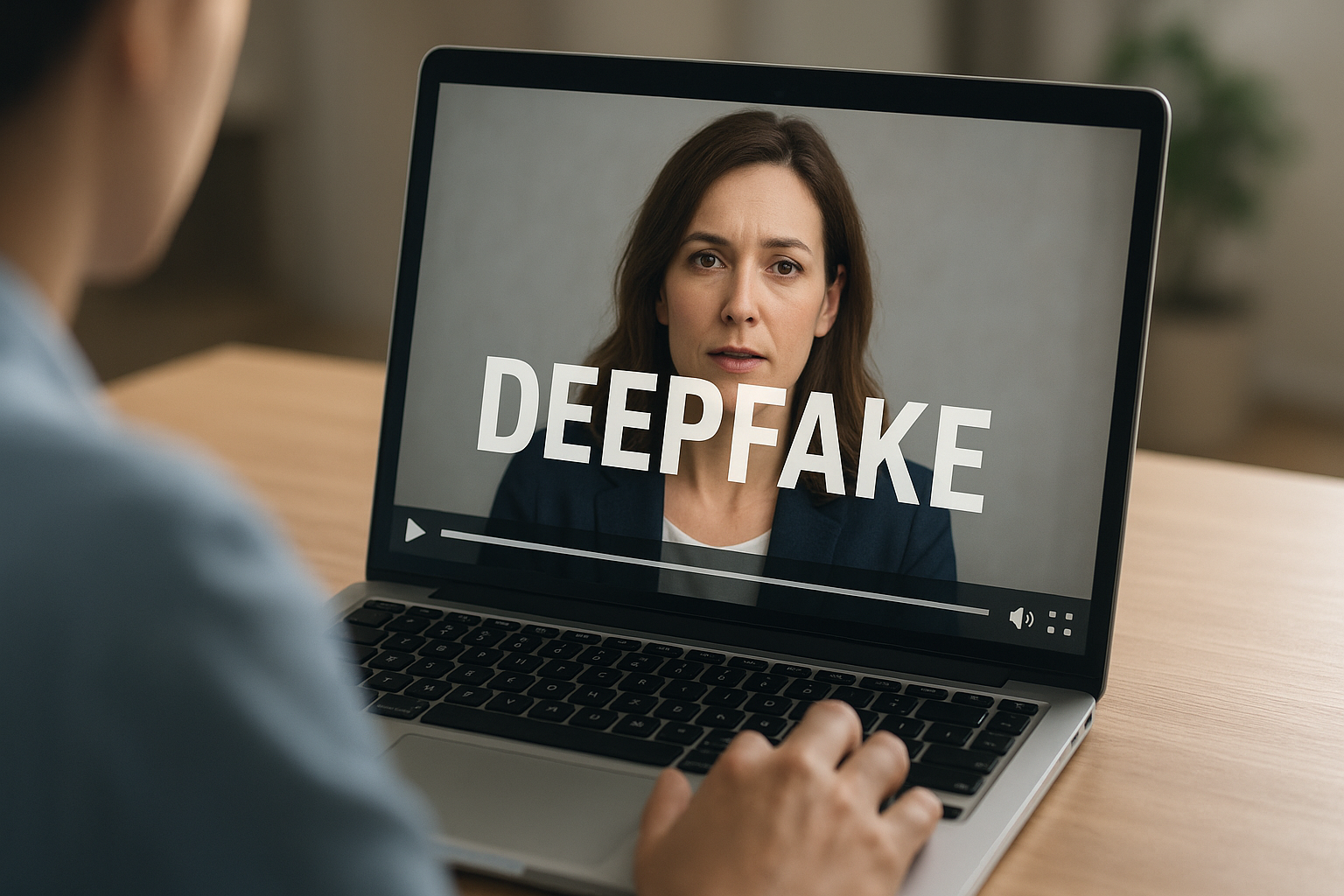
Deepfake technology uses artificial intelligence, particularly deep learning models, to create hyper-realistic fake videos and audio. By analyzing large datasets of images and recordings, these systems can replicate a person’s face, voice, and mannerisms with surprising accuracy. This makes it possible to fabricate videos that appear completely authentic to the untrained eye.
The term “deepfake” combines “deep learning” and “fake,” reflecting the sophisticated neural networks behind the process. While the technology has legitimate uses in entertainment and accessibility, it also raises serious concerns around misinformation, identity theft, and digital trust.
Why Identity Verification Matters in the Age of Deepfakes
As deepfake technology becomes more advanced, detecting fake content is only part of the solution. Even if you can identify suspicious videos, it doesn’t always stop others from being misled or deceived. This is where identity verification becomes critical. Instead of relying solely on spotting fakes, verification provides a clear and trusted way to prove what is real. By creating a verified identity record, individuals and creators can give their audience confidence that they are authentic. In a digital environment where content can be easily manipulated, being able to prove your identity is becoming just as important as protecting it. You can verify your identity here: https://identity.prven.org
Why Deepfakes Matter in Today’s Digital World
The rise of deepfake videos has significant implications for individuals, businesses, and society as a whole. As these tools become more accessible, malicious actors can use them to spread false information, manipulate public opinion, or damage reputations.
One of the biggest challenges is that deepfakes exploit our natural tendency to trust visual content. A convincing video can quickly go viral, making it difficult to correct misinformation once it spreads. This is why recognizing deepfake detection techniques is becoming a critical digital literacy skill.
Common Signs of Deepfake Videos
Although deepfake technology is advancing, many videos still exhibit telltale signs of manipulation. Being aware of these indicators can help you identify suspicious content before taking it at face value.
Visual Inconsistencies
One of the most noticeable signs of a deepfake is unnatural facial movement. Pay close attention to blinking patterns, facial expressions, and how the lips move during speech. Inconsistent or robotic expressions often indicate synthetic generation.
Lighting and Shadows
Lighting mismatches are another common clue. Deepfake systems sometimes struggle to accurately replicate how light interacts with a face and its surroundings. Look for uneven shadows or unrealistic highlights that don’t align with the environment.
Audio-Visual Mismatch
In many cases, the audio does not perfectly sync with the speaker’s lip movements. Even slight delays or unnatural speech patterns can reveal manipulation. This is especially noticeable in longer clips where synchronization becomes harder to maintain.
Background Irregularities
Deepfake videos often focus on the face, sometimes neglecting background details. Watch for flickering, distortion, or elements that seem out of place. These subtle environmental inconsistencies can be a strong indicator of tampering.
- Unnatural facial movements or expressions
- Inconsistent lighting and shadows
- Audio that does not match lip movements
- Unusual or distorted background elements
How AI Creates Deepfake Content
Deepfake videos are typically generated using techniques like Generative Adversarial Networks (GANs). These systems consist of two neural networks: one creates fake content, while the other evaluates its realism. Over time, this feedback loop produces increasingly convincing results.
Another method involves autoencoders, which map facial features from one person onto another. These tools can replicate expressions and emotions, making the final output appear lifelike. Understanding this process highlights why AI-generated media can be so difficult to detect without careful observation.

Risks Associated with Deepfake Videos
The potential misuse of deepfake technology presents several risks across different sectors. From personal harm to global misinformation campaigns, the consequences can be far-reaching.
One major concern is identity misuse. Deepfakes can be used to impersonate individuals, leading to fraud or reputational damage. Additionally, they can fuel misinformation by presenting fabricated events as real. This erodes trust in digital media and complicates efforts to verify authenticity.
Organizations also face risks, as manipulated videos can impact brand credibility or influence financial markets. These challenges emphasize the need for robust digital verification tools and increased awareness.
Tips to Protect Yourself from Deepfakes
While deepfake technology is evolving, there are practical steps you can take to reduce your exposure to misleading content. Staying vigilant and informed is your first line of defense.
Always verify the source of a video before sharing it. Trusted news outlets and official channels are less likely to distribute manipulated content. If something seems suspicious, cross-check it with reliable sources.
One of the most reliable ways to protect yourself from deepfakes and impersonation is to verify your identity through a trusted system. Platforms like PRVEN allow you to create a verifiable identity record so others can confirm your authenticity. You can verify your identity here: https://identity.prven.org
Use digital tools designed for detecting altered media. Many platforms are developing AI-based detection systems that can identify anomalies invisible to the human eye. Combining these tools with critical thinking helps you navigate the online world more safely.
- Verify sources before sharing content
- Look closely at visual and audio details
- Use deepfake detection tools when available
- Stay informed about emerging AI technologies
The Future of Deepfake Detection
As deepfake technology advances, so do detection methods. Researchers and tech companies are investing heavily in tools that can identify manipulated media with high accuracy. These systems analyze patterns, inconsistencies, and metadata to flag suspicious content.
In the future, we can expect integrated verification systems across social media and digital platforms. These advancements will play a crucial role in preserving digital authenticity and public trust. However, staying informed will remain essential, as the technology continues to evolve.
Conclusion: Staying One Step Ahead of Deepfakes
Deepfake videos are reshaping how we perceive digital content, making it essential to develop strong detection skills. By understanding the technology, recognizing warning signs, and using available tools, you can better protect yourself from deception.
As the line between real and artificial continues to blur, maintaining awareness and skepticism is key. Embracing deepfake awareness and digital literacy will help ensure a safer and more trustworthy online experience for everyone.
Verify Your Identity with PRVEN
As deepfake technology becomes more advanced, proving that you are a real person is becoming essential. PRVEN allows you to create a verified identity record that others can trust.
Create your verification record now: https://identity.prven.org