

Synthetic media is no longer a fringe concept—it is embedded in everyday digital experiences, from personalised videos to hyper-realistic AI-generated faces. As this content becomes harder to distinguish from reality, the need to understand its impact on trust and identity grows sharply.
For individuals and organisations alike, synthetic media presents both opportunity and risk, making awareness and verification essential in navigating this new digital landscape.
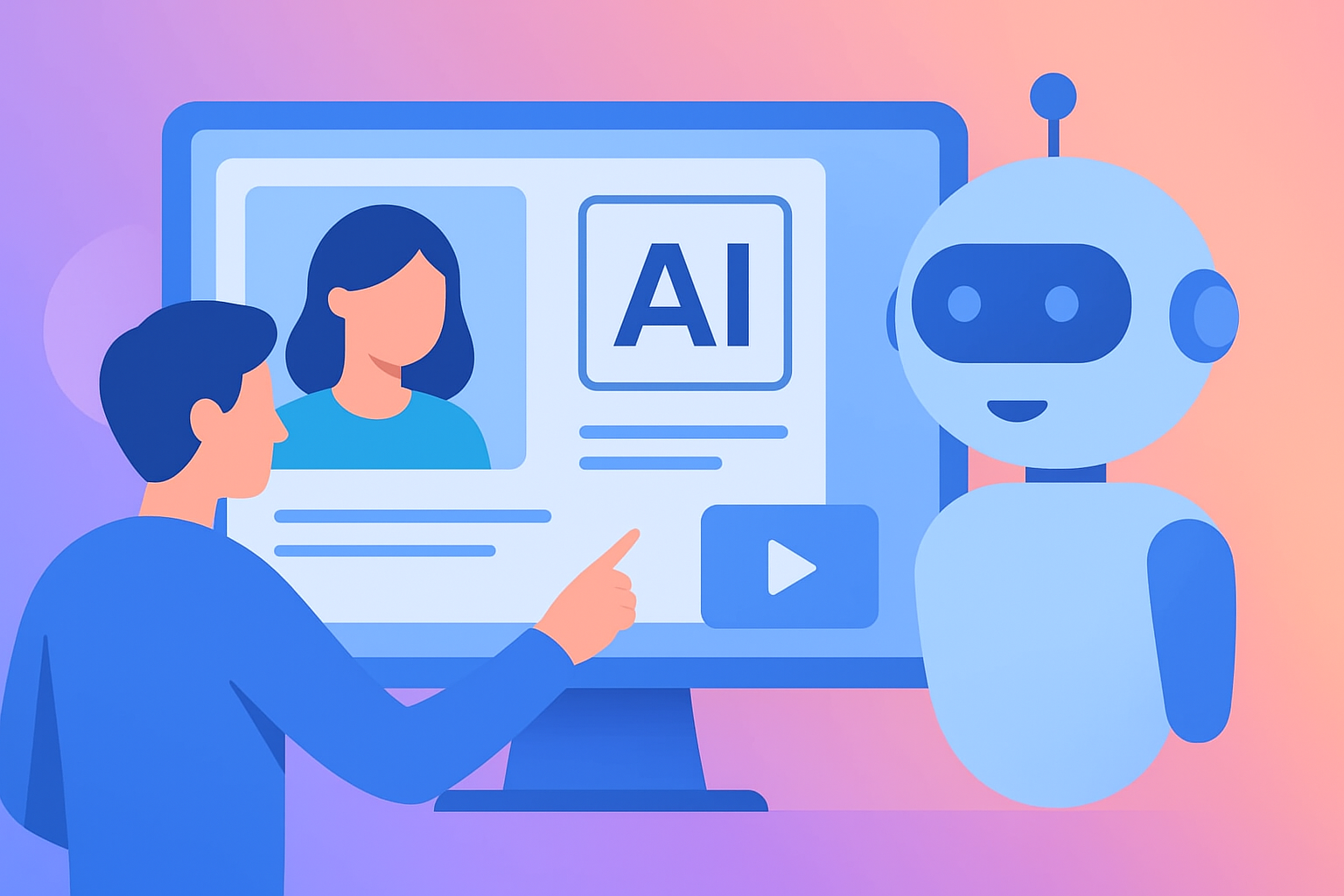
Understanding Synthetic Media and Its Real-World Impact
Synthetic media refers to content that has been partially or entirely created using artificial intelligence, including deepfakes, voice cloning, and AI-generated imagery. These technologies can replicate human likeness with extraordinary precision, often making it difficult to tell authentic from fabricated.
The appeal lies in creative flexibility. Businesses use it for marketing, entertainment platforms use it for immersive experiences, and educators apply it to deliver engaging learning content. However, this same capability introduces serious challenges around misinformation and fraud.
As adoption increases, synthetic media is shaping how people perceive truth online, forcing users to question what they see and hear.
The Blurring Line Between Reality and Fabrication
The most striking effect of synthetic media is its ability to blur the boundary between real and artificial content. Deepfake videos, for example, can convincingly depict individuals saying or doing things they never did, leading to reputational damage and public confusion.
This erosion of trust affects multiple sectors, including journalism, politics, and digital communication. When audiences lose confidence in visual evidence, the credibility of legitimate content also suffers.
- Highly realistic AI-generated videos can mislead viewers.
- Manipulated audio can impersonate trusted voices.
- Fabricated images can spread rapidly on social media.
Without safeguards, the consequences extend beyond misinformation, impacting legal systems, financial security, and personal relationships.
The Role of Identity Verification in a Synthetic World
As synthetic media grows more sophisticated, identity verification becomes a critical defence mechanism. It ensures that individuals and organisations can prove their authenticity in digital interactions.
Verification systems help confirm that a person is real and that content originates from a trusted source. This is particularly important in scenarios such as financial transactions, remote hiring, and online communication.
Platforms like PRVEN provide structured solutions for building trusted identity records, helping users maintain credibility in a landscape increasingly shaped by artificial content.
By integrating verification processes, organisations can protect users while reinforcing trust in their platforms.
Challenges in Combating Synthetic Media Misuse
Despite advances in detection technologies, identifying synthetic media remains an ongoing challenge. AI systems improve rapidly, often outpacing the tools designed to detect them.
One major issue is scalability. As content volumes grow, manually verifying each piece becomes impractical. Automated systems must continuously adapt to new manipulation techniques.
Another concern is accessibility. The tools required to create synthetic media are becoming more user-friendly, enabling widespread use without technical expertise.
- Detection tools struggle to keep up with evolving AI models.
- Low barriers to entry increase misuse risks.
- Cross-platform sharing amplifies the spread of false content.
These challenges highlight the need for a multi-layered approach combining technology, policy, and user awareness.
Building Trust Through Transparency and Technology
To counter the risks posed by synthetic media, organisations must focus on transparency, accountability, and verification. Labelling AI-generated content is one step towards maintaining honesty with audiences.
Blockchain-based verification and digital watermarking are emerging as effective methods for tracking content origin. These technologies ensure that alterations can be identified and original sources confirmed.
Equally important is user education. People must understand how synthetic media works and how to critically evaluate digital content. Awareness reduces susceptibility to deception and misinformation.
Combining these strategies helps foster a digital ecosystem where innovation can thrive without compromising trust.
The Future of Synthetic Media and Digital Identity
Looking ahead, synthetic media will continue to shape online interactions, offering new creative possibilities while demanding stronger safeguards. As AI technologies become more advanced, distinguishing real from artificial will require increasingly sophisticated verification systems.
Digital identity frameworks are expected to evolve alongside synthetic media, providing secure and reliable ways to authenticate individuals and content. Governments, businesses, and technology providers will play key roles in establishing standards and regulations.
Ultimately, the goal is not to limit innovation but to ensure that it operates within a framework of trust and accountability.
Conclusion: Balancing Innovation with Trust
Synthetic media introduces a powerful shift in how content is created and consumed, offering both remarkable opportunities and serious risks. Maintaining trust in a digital-first world depends on robust identity verification and responsible use of technology.
By embracing verification tools, promoting transparency, and educating users, society can harness the benefits of synthetic media while minimising its potential for harm. The balance between creativity and credibility will define the future of digital interaction.
Verify Your Identity with PRVEN
As fraud, impersonation, and AI-generated misuse become more common online, proving that you are real is becoming increasingly important. PRVEN helps you create a trusted verification record that others can rely on.