
In an era where digital interactions dominate, identity verification has become a critical component of online security. From financial transactions to social media accounts, ensuring that users are who they claim to be helps prevent fraud and builds trust in digital ecosystems.
As AI generated content and impersonation attacks increase, traditional account security is no longer enough. Verifying that a real human is behind an identity is becoming essential for both individuals and platforms.
What Is Identity Verification and Why It Matters
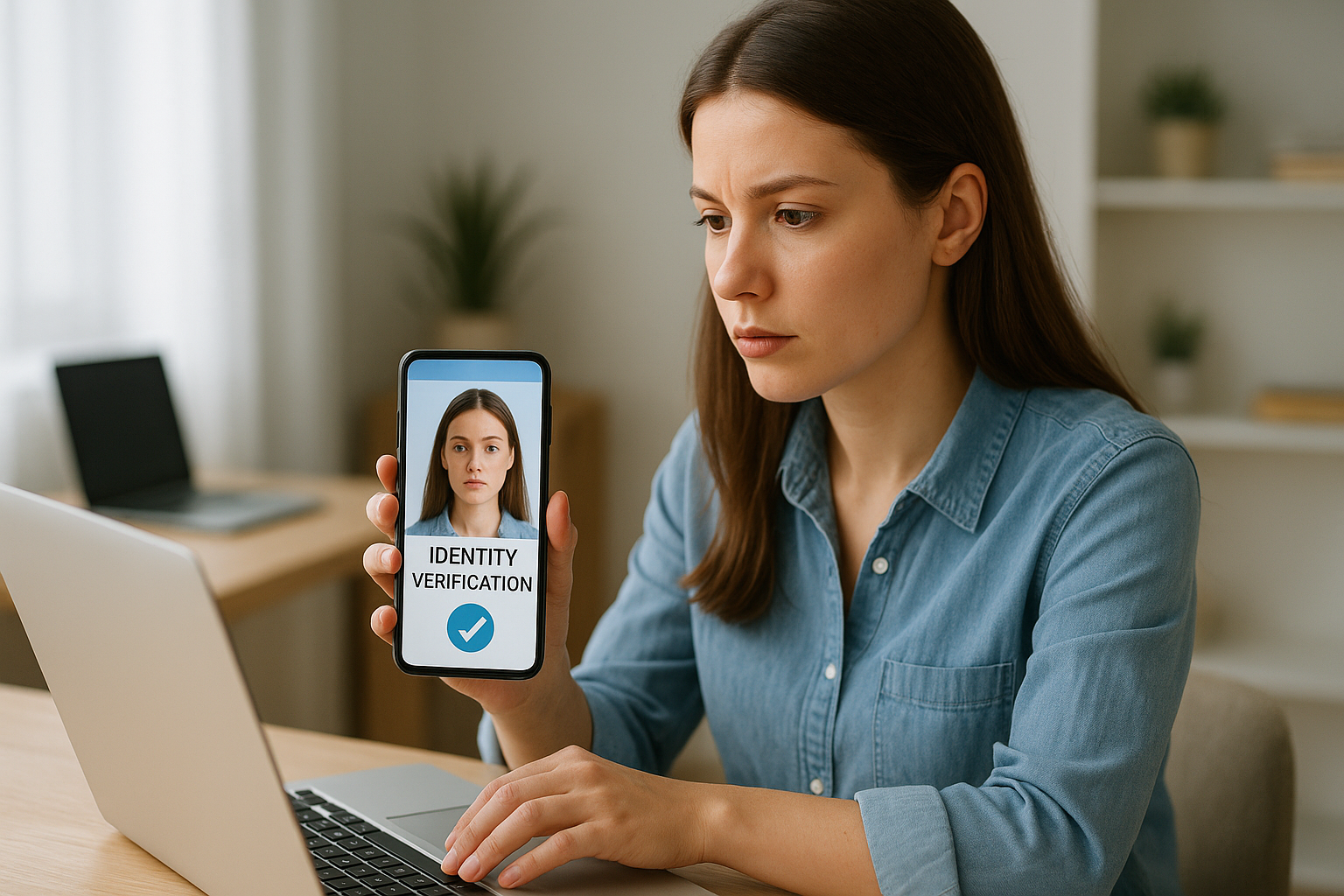
Identity verification is the process of confirming a person’s identity using various tools, technologies, and data points. As online services continue to expand, verifying identities has become essential to prevent unauthorized access and maintain system integrity.
Businesses rely on identity verification to reduce fraud, comply with regulations, and ensure user authenticity. Without it, platforms become vulnerable to cyber threats, fake accounts, and financial manipulation, all of which can lead to significant losses and reputational damage.
<p>If you want to prove your identity and prevent impersonation, you can verify your identity here > https://identity.prven.orgHow Identity Verification Works in Practice
The identity verification process typically involves multiple layers designed to authenticate users accurately. These layers combine technology and data analysis to ensure robust protection against impersonation and fraud.
Document Verification
Document verification involves checking official identification such as passports, driver’s licenses, or national ID cards. Advanced systems analyze security features, text alignment, and embedded data to confirm authenticity.
Biometric Authentication
Biometric verification uses unique physical traits like facial recognition, fingerprints, or voice patterns. These identifiers are extremely difficult to replicate, making them a powerful tool in modern identity systems.
Two-Factor Authentication (2FA)
Two-factor authentication adds an extra layer of security by requiring users to confirm their identity through a second method, such as a one-time code sent to their device. This significantly reduces unauthorized access.
Key Benefits of Identity Verification
Implementing strong identity verification systems offers numerous advantages for both organizations and users. These benefits extend beyond security, contributing to a more reliable and trustworthy digital environment.
- Reduces identity theft by ensuring only legitimate users gain access
- Enhances customer trust and improves user experience
- Prevents financial fraud and unauthorized transactions
- Supports regulatory compliance including KYC and AML requirements
By prioritizing identity verification, organizations can create a secure ecosystem that encourages user engagement and long-term loyalty.
Industries That Rely on Identity Verification
Many sectors depend heavily on identity verification to maintain compliance and security. As digital transformation accelerates, the importance of verification continues to grow across industries.
In the financial sector, banks and fintech companies use identity verification to prevent fraud and comply with strict regulations. Healthcare providers rely on it to protect patient data, while e-commerce platforms use it to reduce fraudulent transactions and fake accounts.
Additionally, online marketplaces, gaming platforms, and social networks utilize identity verification systems to build trust and ensure safe user interactions.
Challenges in Identity Verification
Despite its benefits, identity verification is not without challenges. Organizations must balance security with user experience while addressing evolving threats.
One major challenge is data privacy. Users are increasingly concerned about how their personal information is stored and used. Companies must implement transparent policies and secure storage practices to maintain trust.
Another issue is the rise of sophisticated cyberattacks, including deepfakes and identity spoofing. These threats require continuous innovation and adaptation in verification technologies.

Best Practices for Effective Identity Verification
To maximize the effectiveness of identity verification, organizations should adopt a multi-layered approach that combines advanced technologies with user-friendly processes.
- Use multi-factor authentication for stronger protection
- Incorporate biometric verification for high-risk scenarios
- Ensure data encryption to protect sensitive information
- Regularly update systems to counter emerging threats
By integrating these practices, businesses can enhance security while maintaining a seamless user experience.
The Future of Identity Verification
The future of identity verification technology is being shaped by artificial intelligence, blockchain, and decentralized identity systems. These innovations aim to provide more secure, efficient, and user-controlled verification methods.
Decentralized identity, for example, allows users to control their personal data without relying on centralized databases. Meanwhile, AI-driven systems can detect suspicious behavior in real time, improving the accuracy and speed of verification processes.
As cyber threats continue to evolve, businesses must stay ahead by adopting cutting-edge identity solutions that prioritize both security and privacy.
Final Thoughts: Building Trust Through Identity Verification
Identity verification is no longer optional—it is a fundamental requirement for operating digital platforms. By implementing strong verification methods, organizations can protect users, prevent fraud, and maintain compliance with industry standards.
As technology advances, the role of identity verification will only become more critical. Businesses that invest in secure and user-friendly verification systems will be better positioned to build trust, foster growth, and thrive in the digital age.
Verify Your Identity with PRVEN
Fraud, impersonation, and AI-generated identities are increasing rapidly. PRVEN allows you to prove that you are a real, verified human.
> Get verified now <