
AI fraud and impersonation are no longer distant threats; they are present-day risks affecting businesses and individuals alike. As synthetic identities and deepfakes become more convincing, the need for reliable identity verification has never been more urgent.
From fake video calls to AI-generated voice scams, cybercriminals are exploiting technology to bypass traditional safeguards. Identity verification is emerging as a critical defence, helping organisations and users confirm authenticity and reduce exposure to fraudulent activity.
The Growing Threat of AI Fraud and Impersonation
Fraudsters are leveraging artificial intelligence to create highly convincing fake identities, making detection increasingly difficult. AI-driven impersonation can replicate voices, faces, and even behavioural patterns, allowing criminals to deceive systems that once relied on basic identifiers.
This shift has significant consequences across industries. Financial institutions face unauthorised transactions, while businesses may encounter fraudulent account access or reputational damage. Digital trust is under pressure, especially as remote interactions become the norm.
Traditional methods such as passwords or static ID checks are no longer sufficient on their own. Fraudsters can manipulate or bypass these controls, highlighting the need for more robust, layered approaches to identity verification.
What Is Identity Verification and Why It Matters
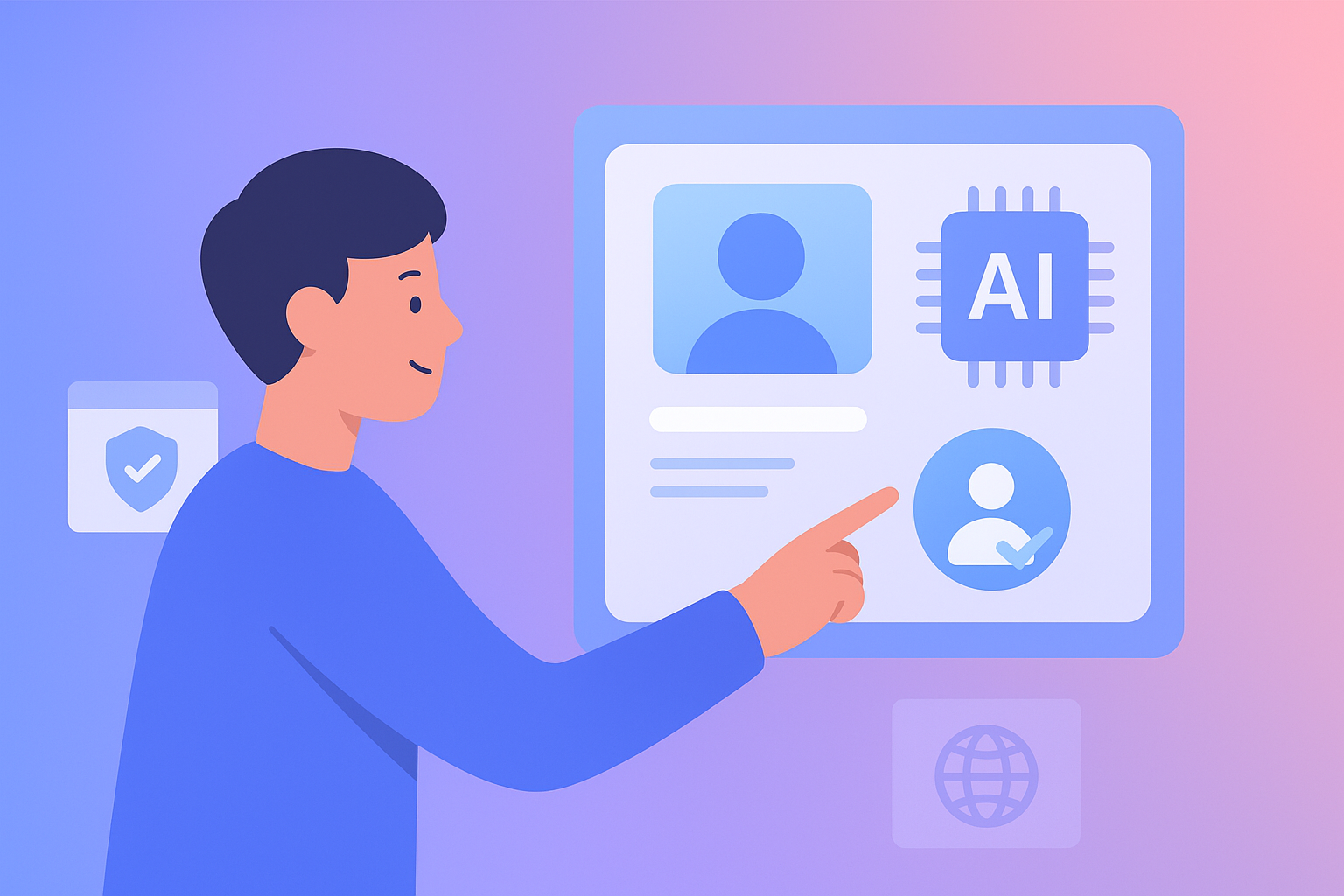
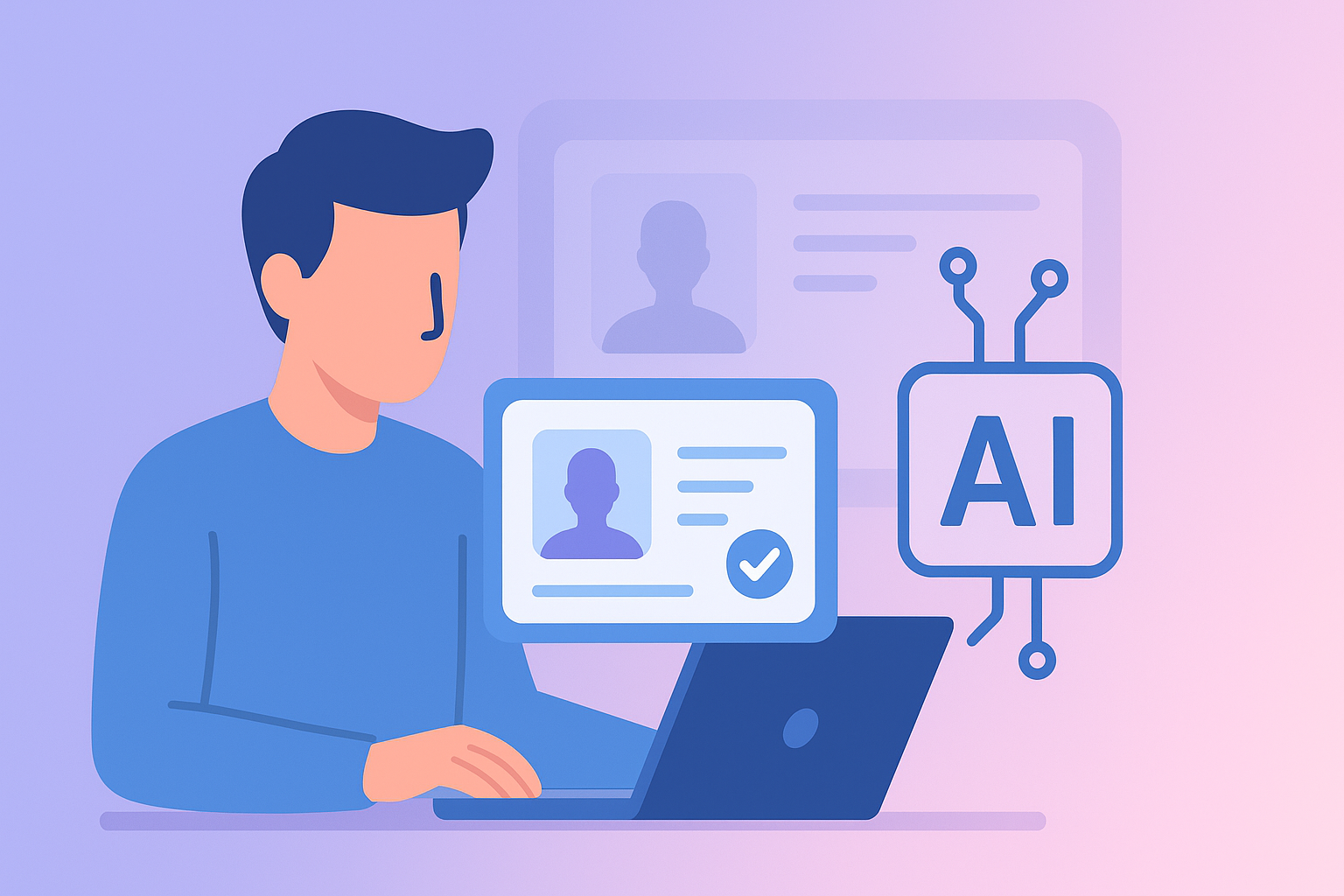
Identity verification is the process of confirming that a person is genuinely who they claim to be. This typically involves validating personal data, biometrics, or official documents against trusted sources. It plays a crucial role in maintaining secure digital ecosystems.
Modern verification solutions go beyond simple checks. They often include facial recognition, liveness detection, and database cross-referencing to ensure accuracy. These techniques help distinguish real users from synthetic or manipulated identities.
By implementing effective verification processes, organisations can reduce fraud risks, protect sensitive information, and ensure compliance with regulatory standards. This creates safer online experiences for everyone involved.
How Identity Verification Prevents AI-Driven Fraud
As AI fraud tactics grow more sophisticated, identity verification systems have evolved to counter them. Advanced verification methods leverage machine learning and biometric analysis to detect inconsistencies that humans might miss.
For example, liveness detection ensures that a real person is present during verification, preventing the use of deepfake videos or static images. Similarly, biometric comparisons can identify subtle mismatches in facial features or voice patterns.
Platforms like PRVEN provide tools that help users establish a trusted digital identity. By creating verifiable records, individuals can prove their authenticity in online interactions. Learn more at https://identity.prven.org.

This layered approach makes it far more difficult for fraudsters to succeed, even when using AI-generated content.
Key Benefits of Implementing Identity Verification
Organisations that adopt identity verification systems gain multiple advantages beyond fraud prevention. These systems contribute to both operational efficiency and customer trust.
Key benefits include:
- Reduced risk of identity theft and financial fraud
- Improved trust in digital transactions
- Enhanced protection of personal and business data
- Compliance with legal and regulatory requirements
In addition, streamlined verification processes can improve user experience. Secure yet efficient onboarding helps businesses retain customers while maintaining strong safeguards.
Industries Most at Risk from AI Impersonation
While AI fraud can affect anyone, certain sectors are particularly vulnerable due to the sensitivity of their operations. High-risk industries often handle valuable data or financial assets, making them prime targets.
Financial services are especially exposed, as fraudsters attempt to access accounts or initiate transactions using fake credentials. Healthcare organisations must also guard against identity misuse that could compromise patient records.
E-commerce platforms face challenges with account takeovers and fraudulent purchases, while remote workplaces must verify employee identities in distributed environments. In each case, robust identity verification is essential to maintaining security and trust.
Best Practices for Strengthening Identity Verification
To effectively combat AI-driven fraud, organisations should adopt a multi-layered approach to identity verification. Relying on a single method increases vulnerability, whereas combining techniques enhances reliability.
Recommended strategies include:
- Using biometric authentication such as facial or voice recognition
- Implementing liveness detection to prevent spoofing
- Cross-checking data against trusted databases
- Continuously monitoring and updating verification systems
Education also plays a role. Users should be aware of potential scams and understand how verification processes protect them. When combined, these measures create a strong defence against evolving threats.
The Future of Identity Verification in a Digital World
As AI continues to advance, so too will the methods used to detect fraud. The future of identity verification lies in adaptive, intelligent systems capable of responding to new threats in real time.
Decentralised identity models and blockchain-based verification are gaining attention, offering users greater control over their personal data. These innovations may reshape how trust is established online, reducing reliance on centralised authorities.
At the same time, organisations must balance security with user convenience. The goal is to create verification processes that are both seamless and highly secure, ensuring widespread adoption.
Conclusion: Building Trust Through Verified Identity
AI fraud and impersonation will continue to challenge digital interactions, but they are not insurmountable problems. Identity verification provides a powerful solution, enabling individuals and organisations to establish trust and reduce risk.
By adopting advanced verification tools and best practices, businesses can protect their operations while offering secure, reliable experiences. In an increasingly digital world, proving authenticity is becoming a fundamental requirement.
Verify Your Identity with PRVEN
As fraud, impersonation, and AI-generated misuse become more common online, proving that you are real is becoming increasingly important. PRVEN helps you create a trusted verification record that others can rely on.