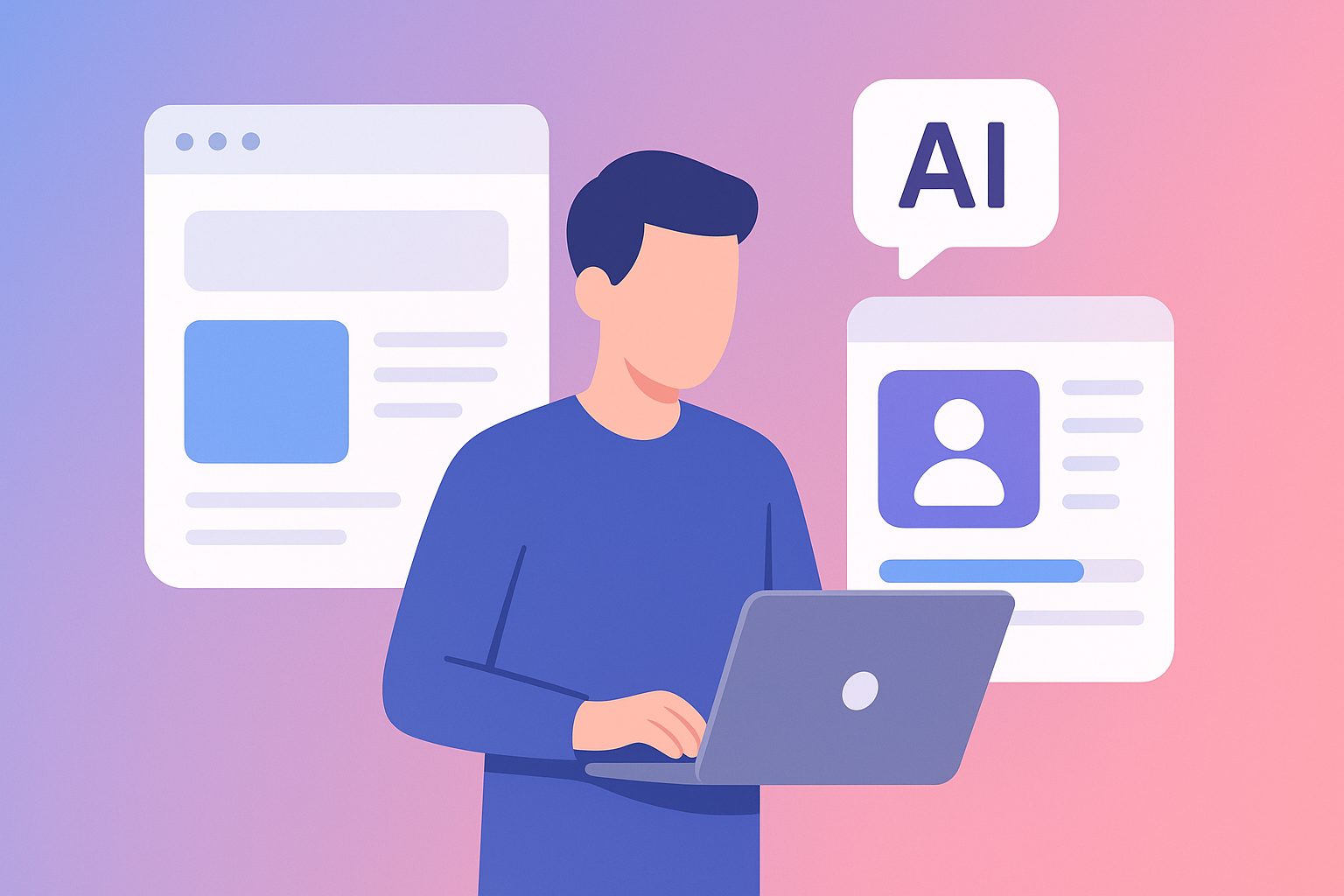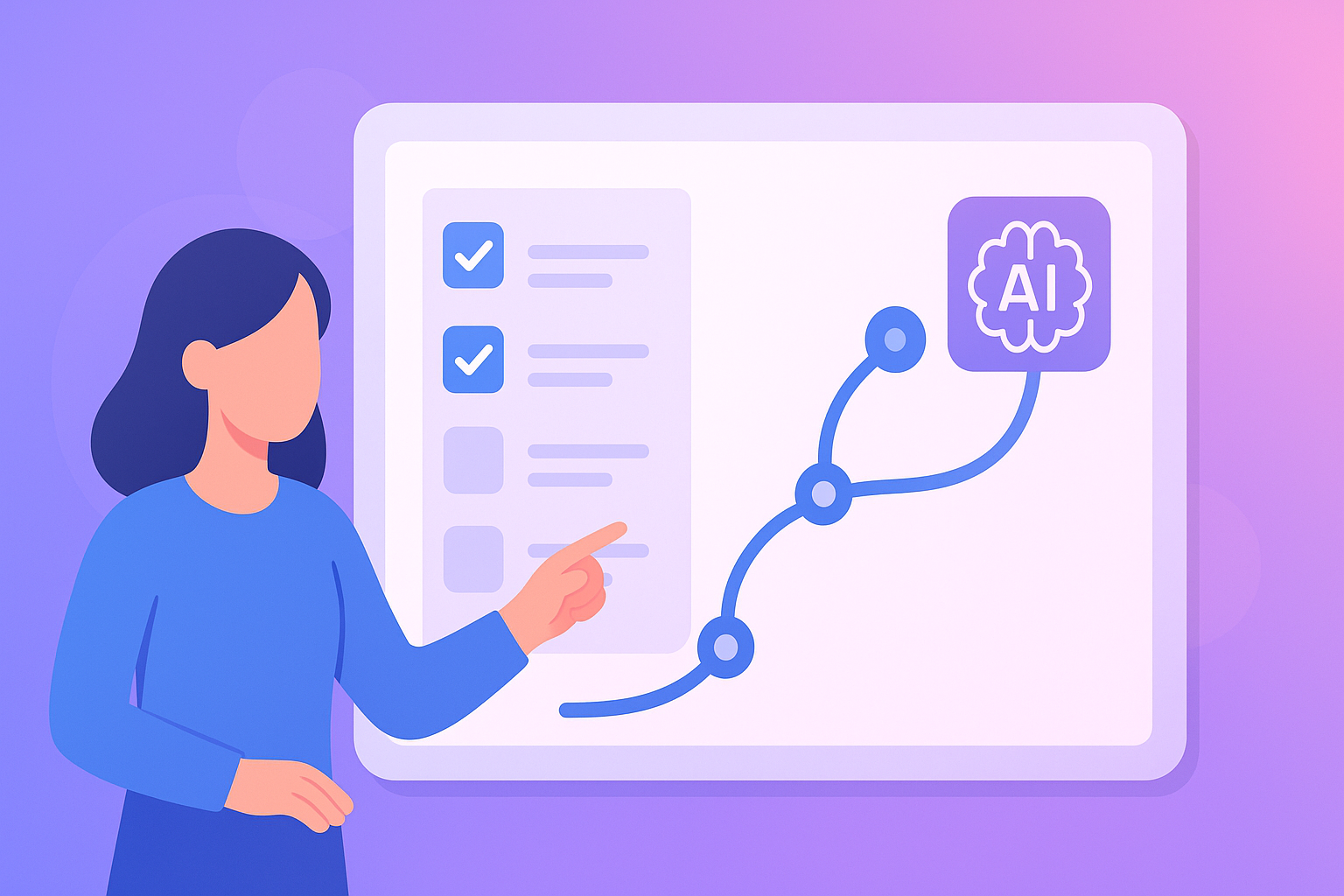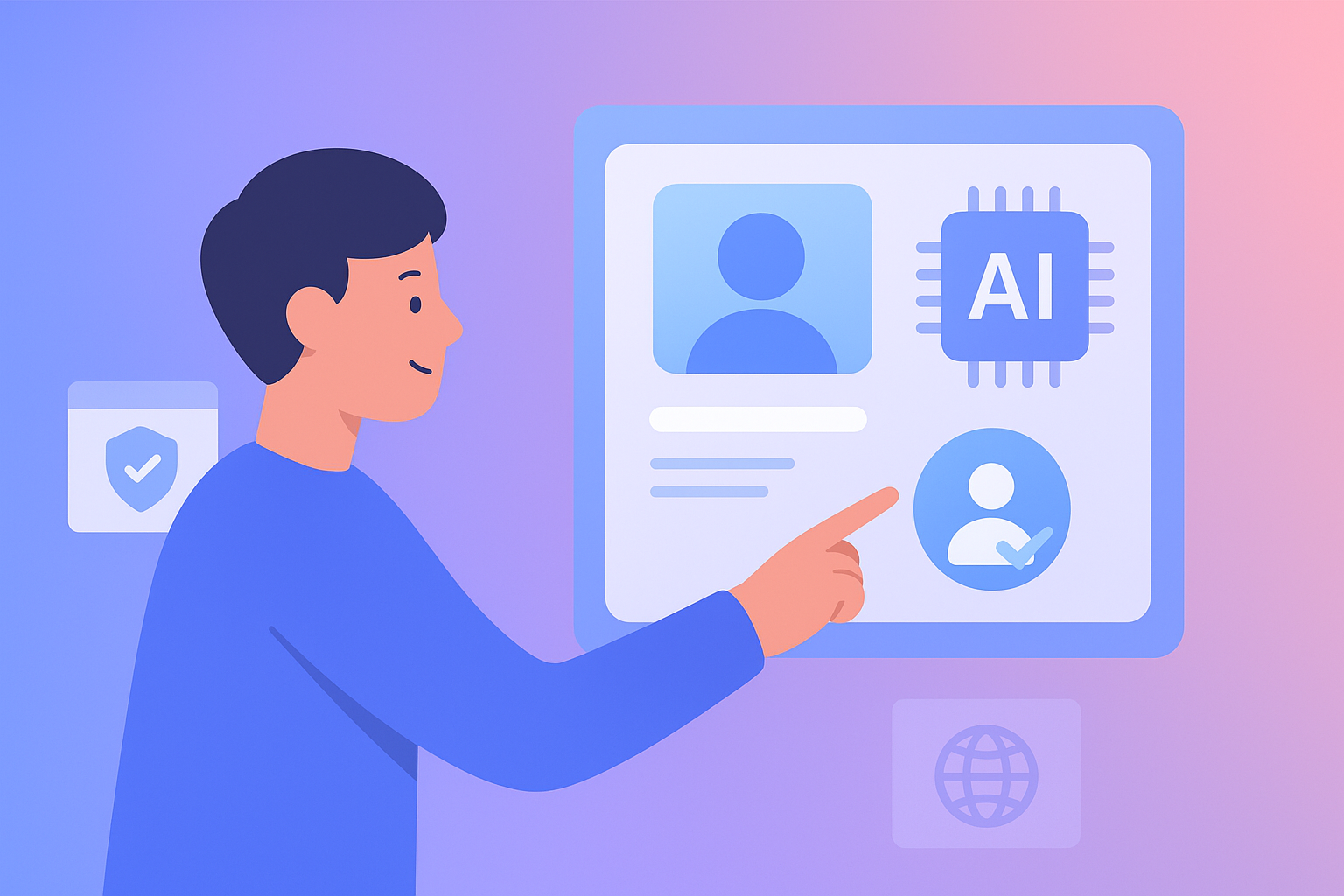

Online interactions now carry real-world consequences, making identity verification a defining factor in how trust is built and maintained. As digital spaces expand, the ability to prove who you are has become just as important as what you do. This shift is reshaping everything from banking to social engagement.
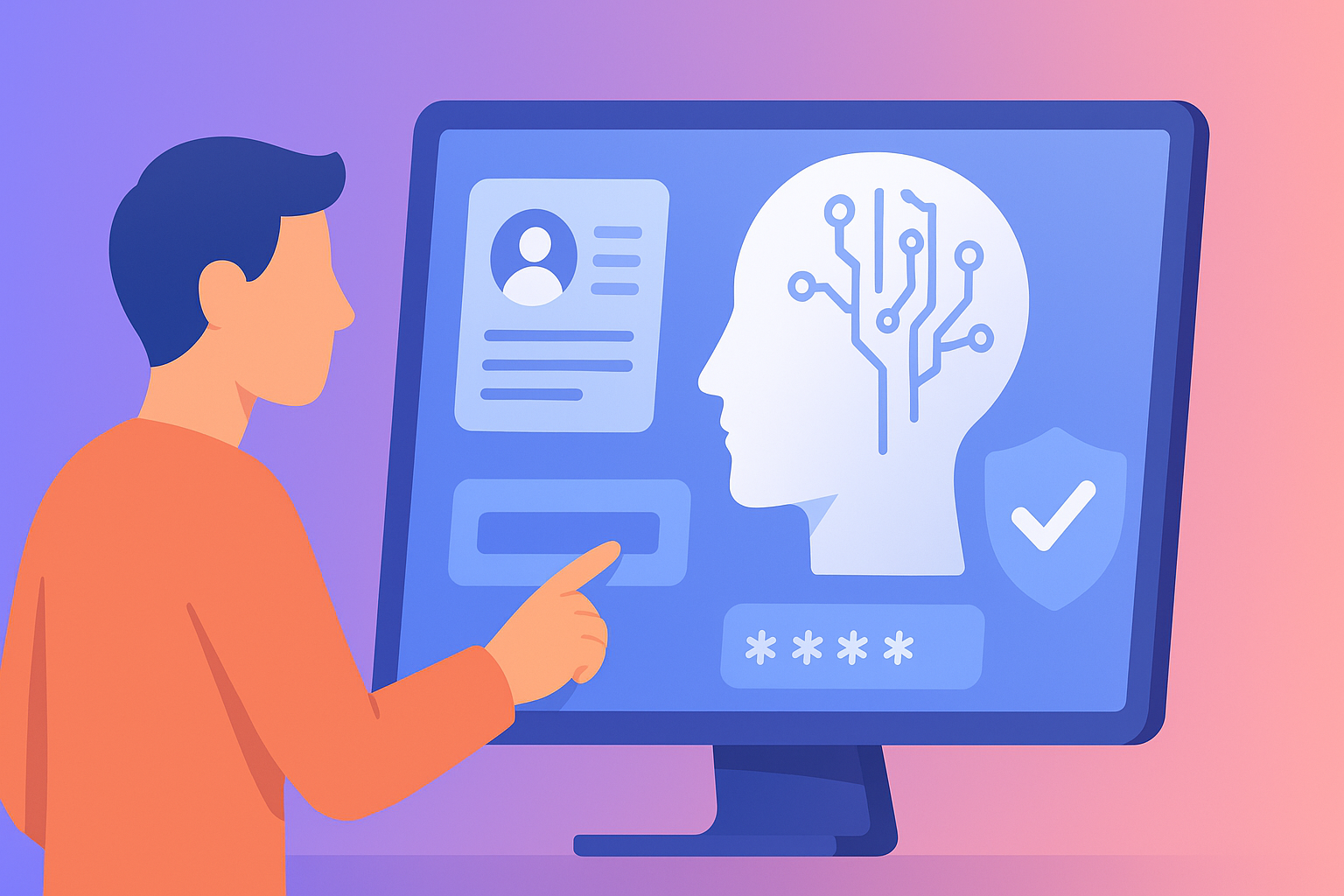
The Growing Importance of Identity in a Digital World
The modern internet is built on identities, yet many of them remain fragile or easily manipulated. From social media profiles to financial platforms, users rely on digital personas that can be copied, altered, or exploited. This raises serious concerns about security, trust, and accountability in online environments.
As more services shift online, the stakes continue to rise. Businesses must ensure they are interacting with legitimate users, while individuals want reassurance that their personal data is protected. Without robust identity systems, the digital ecosystem risks becoming unreliable and vulnerable to misuse.
How Identity Verification Protects Against Fraud
Identity verification acts as a frontline defence against fraud, impersonation, and cybercrime. By confirming that users are genuinely who they claim to be, organisations can significantly reduce the risk of unauthorised access and financial loss. This is particularly vital in industries handling sensitive data or high-value transactions.
Modern verification systems use a combination of biometric data, document checks, and behavioural analysis to validate identities. These tools allow businesses to identify suspicious activity in real time, preventing fraud before it causes damage. In many cases, AI-driven systems can detect subtle inconsistencies that traditional methods would miss.
Key Benefits of Identity Verification Systems
Implementing effective identity verification provides several clear advantages for organisations and users alike. It strengthens digital interactions while maintaining a seamless user experience.
- Reduced risk of financial fraud and data breaches
- Improved user trust through secure authentication
- Faster onboarding processes with automated checks
- Compliance with regulatory and legal requirements
These benefits contribute to a safer and more reliable digital landscape, where both businesses and users can operate with confidence.
The Role of AI in Modern Identity Verification
Artificial intelligence has introduced a new level of sophistication to identity verification processes. By analysing large datasets rapidly, AI systems can identify patterns and anomalies that signal potential fraud. This creates a more proactive approach to security, rather than relying solely on reactive measures.
AI-powered tools can perform facial recognition, document authentication, and behavioural analysis simultaneously. This multi-layered approach ensures a higher degree of accuracy while reducing friction for legitimate users. The result is a system that is both secure and user-friendly.
For organisations seeking reliable solutions, platforms such as PRVEN offer advanced capabilities that streamline identity verification while maintaining strict security standards. These technologies are increasingly essential in a world where digital threats are constantly evolving.
Challenges in Digital Identity Management
Despite its advantages, managing digital identity is not without challenges. Privacy concerns remain a significant issue, as users are often wary of how their data is collected and stored. Striking the right balance between security and privacy is crucial for widespread adoption.
Additionally, cybercriminals continue to develop more sophisticated methods of bypassing verification systems. Deepfakes, synthetic identities, and phishing attacks are becoming more advanced, requiring constant innovation in defence mechanisms. This ongoing battle highlights the need for continuous improvement in verification technologies.
Another challenge lies in accessibility. Verification systems must be inclusive and easy to use, ensuring they do not exclude individuals who may lack access to certain technologies or documentation. Achieving this balance is essential for creating equitable digital systems.
Building Trust Through Verified Identities
Trust is the foundation of any successful digital interaction. When users know that identities are verified and secure, they are more likely to engage confidently with platforms and services. This trust translates into stronger customer relationships and improved brand reputation.
For businesses, implementing robust identity verification systems demonstrates a commitment to protecting users. It signals that security is a priority, which can be a significant differentiator in competitive markets. In turn, this fosters loyalty and encourages long-term engagement.
Practical Applications Across Industries
Identity verification is now a critical component across multiple sectors, each with unique requirements and challenges.
- Finance: Preventing fraud and ensuring regulatory compliance
- Healthcare: Protecting patient data and ensuring accurate records
- E-commerce: Reducing fake accounts and fraudulent transactions
- Social platforms: Minimising impersonation and misuse
These applications demonstrate how verified digital identities enhance both security and user experience across diverse environments.
The Future of Identity Verification in a Digital Age
The future of identity verification will likely involve even more advanced technologies, including decentralised identity systems and blockchain-based solutions. These approaches aim to give users greater control over their personal data while maintaining high levels of security.
As digital ecosystems continue to expand, the demand for reliable identity verification will only increase. Organisations must stay ahead by adopting innovative solutions that address emerging threats and user expectations. This ongoing evolution will shape how trust is established in the digital world.
Ultimately, identity verification is not just a technical requirement but a fundamental aspect of modern digital life. It underpins secure interactions, protects against fraud, and enables meaningful connections in an increasingly connected world.
Verify Your Identity with PRVEN
As fraud, impersonation, and AI-generated misuse become more common online, proving that you are real is becoming increasingly important. PRVEN helps you create a trusted verification record that others can rely on.